Why Live Brand Activations Matter in Modern Marketing
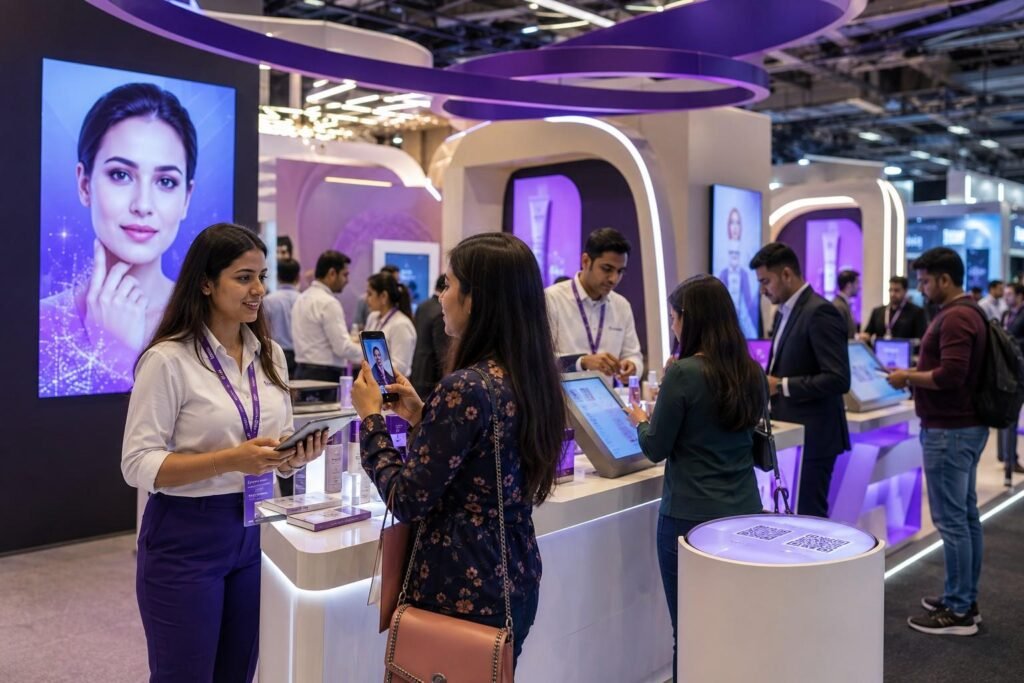
Building brand awareness has become more challenging than ever. Consumers are exposed to countless advertisements across digital platforms, television, streaming services, and social media every day. As attention spans shrink and competition grows, simply increasing advertising spend is no longer enough to create meaningful connections. Brands that create memorable experiences are far more likely to capture attention, earn trust, and remain top of mind. This is where live brand activations make a measurable difference. They transform marketing from a one-way message into a two-way conversation, allowing consumers to engage with a brand in ways that feel authentic and memorable.
1. They Create Stronger Emotional Connections
People tend to remember experiences more vividly than advertisements. Walking through an immersive product showcase, participating in a live demonstration, or interacting with a creative installation leaves a lasting impression because it engages multiple senses and emotions simultaneously. These positive interactions help shape how customers perceive a brand. Instead of simply recognising a logo or campaign, they associate the brand with an enjoyable, useful, or memorable experience. Over time, these emotional connections contribute to stronger customer loyalty and long-term brand preference.
2. They Encourage Meaningful Customer Engagement
Unlike traditional advertising, where communication flows in one direction, brand activation marketing invites consumers to become active participants. Whether they’re testing a product, joining a workshop, playing an interactive game, or speaking directly with brand representatives, every interaction creates opportunities for genuine engagement. These conversations also provide brands with valuable real-time feedback. Observing how people respond to products, messaging, and experiences can reveal insights that are difficult to gather through surveys or digital analytics alone.
3. They Increase Brand Recall
Capturing attention is only the first step; being remembered is what drives future business. Consumers are more likely to recall a brand they’ve personally experienced than one they’ve only seen in an advertisement. A well-designed experiential marketing campaign combines storytelling, interaction, and creativity to make the experience memorable. When attendees leave with positive impressions, they often continue the conversation by sharing photos, videos, and recommendations with friends or on social media, extending the campaign’s reach organically.
4. They Support the Entire Customer Journey
One of the biggest advantages of live brand activations is that they influence customers at every stage of the buying journey. They create awareness by attracting attention with engaging experiences, encourage consideration by allowing people to explore products and ask questions, and support purchase decisions through demonstrations and personalised interactions. Beyond the sale, they strengthen customer loyalty by creating memorable experiences and encourage advocacy by inspiring attendees to recommend the brand and share their experiences with others. Instead of focusing on a single marketing objective, live brand activations help businesses build lasting relationships throughout the entire customer journey.
5. They Generate Valuable First-Party Data
As privacy regulations evolve and third-party cookies become less reliable, businesses are placing greater importance on collecting first-party customer data. Live activations create natural opportunities to gather valuable information through registrations, contests, QR code interactions, product trials, feedback forms, and loyalty programme sign-ups. When collected transparently and responsibly, this data helps businesses personalise future marketing campaigns, improve customer experiences, and make more informed decisions.
6. They Amplify Digital Marketing Efforts
The impact of a successful activation doesn’t end when the event concludes. Many of the most effective campaigns are designed to extend beyond the venue through digital channels. Attendees frequently share their experiences on social media, creating authentic user-generated content that reaches wider audiences. Event highlights, behind-the-scenes videos, influencer collaborations, and live streams can further increase visibility, while follow-up email campaigns and personalised content help nurture leads generated during the activation. This combination of physical interaction and digital engagement allows brands to maximise the return on their marketing investment.
7. They Deliver Measurable Business Results
Live brand activations do more than create excitement; they deliver measurable business outcomes. A well-planned activation can generate qualified leads, increase product awareness, encourage product trials, strengthen customer trust, boost social media engagement, and provide valuable insights into customer behaviour. By aligning creative experiences with clear marketing objectives, businesses can measure the real impact of their campaigns and make better decisions for future activations.
Types of Live Brand Activations
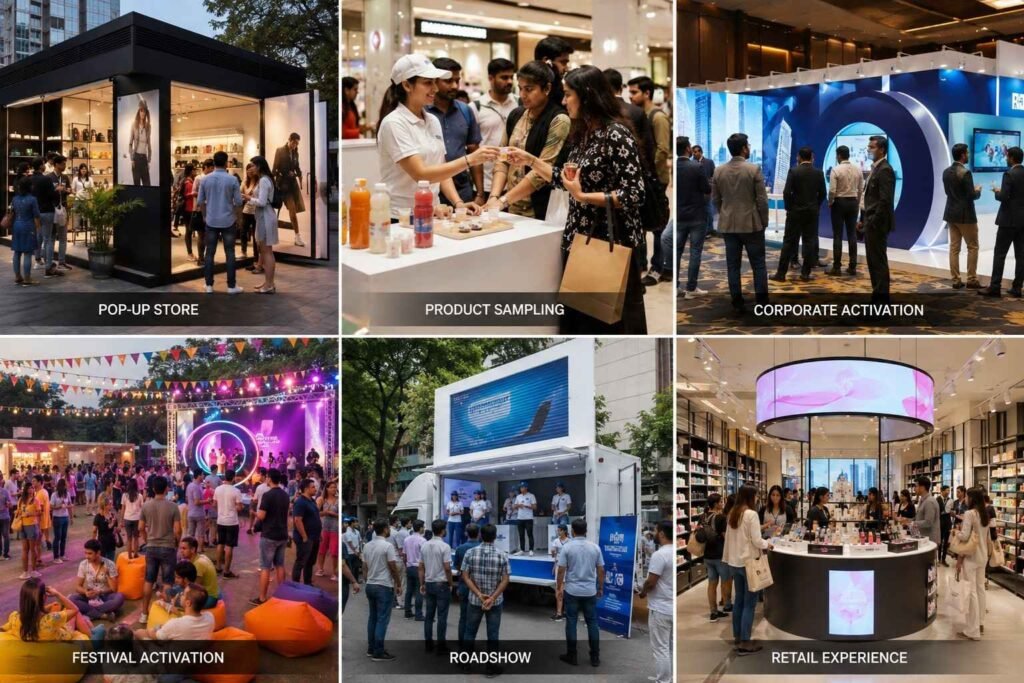
There is no one-size-fits-all approach to brand activation. The right format depends on your campaign objectives, target audience, and the experience you want to create. For example, a technology launch requires a different strategy than an FMCG sampling campaign or a retail activation. Choosing the right activation format helps maximise engagement, optimise budgets, and achieve measurable business results. Here’s a look at some of the most effective types of live brand activations used by businesses across industries.
Brand Activation Type | Best Suited For | Common Objective |
Product Launch Activations | Technology, Automotive, Consumer Electronics | Generate awareness and excitement for new products |
Pop-Up Experiences | Retail, Fashion, Lifestyle | Increase brand visibility and customer engagement |
Product Sampling | FMCG, Food & Beverage, Personal Care | Encourage product trials and boost purchase intent |
Retail Brand Activations | Retail Stores, Shopping Malls | Drive footfall and improve the in-store experience |
Roadshows & Mobile Activations | Automobile, Healthcare, Education | Reach audiences across multiple cities or locations |
Event & Festival Activations | Exhibitions, Concerts, Trade Shows | Build brand awareness and engage large audiences |
Corporate Brand Activations | B2B, Finance, Technology | Strengthen relationships with clients, partners, and employees |
Product Launch Activations
A product launch is about more than introducing something new it’s about creating excitement and giving customers a chance to experience the product firsthand. Live demonstrations, interactive displays, and hands-on experiences help build anticipation while showcasing the product’s value. This format works particularly well for technology launches, consumer electronics, automotive brands, beauty products, and lifestyle brands.
Pop-Up Experiences
Pop-up experiences create temporary branded spaces that encourage customers to interact with a brand in a unique environment. Whether set up in shopping malls, airports, business districts, or public spaces, they generate curiosity, increase brand visibility, and encourage social sharing. Pop-ups are commonly used for new product launches, seasonal campaigns, and market expansion.
Product Sampling Campaigns
Sometimes the best way to win customers is to let them experience the product themselves. FMCG sampling campaigns allow consumers to try products before making a purchase, helping reduce hesitation and build trust. Many sampling campaigns also include QR code registrations, promotional offers, and customer feedback to support lead generation and campaign measurement.
Retail Brand Activations
Retail brand activations are designed to enhance the in-store shopping experience by encouraging customers to interact with products before making a purchase. From live product demonstrations and interactive display zones to seasonal campaigns, product customisation, and in-store workshops, these experiences help increase footfall, improve customer engagement, and influence buying decisions. When executed effectively, retail activations not only drive sales but also create memorable shopping experiences that strengthen brand loyalty.
Roadshows and Mobile Activations
Roadshows take the brand directly to customers across multiple cities or locations, making them ideal for reaching wider audiences. This format is commonly used for automobile roadshows, healthcare awareness campaigns, educational programmes, and financial awareness initiatives. By bringing the experience to different markets, brands can improve visibility while creating meaningful local engagement.
Event and Festival Activations
Trade shows, exhibitions, concerts, and cultural festivals provide an excellent opportunity to connect with large audiences. Instead of relying only on sponsorship branding, businesses create interactive experiences that encourage participation and leave a lasting impression. These activations often include product demonstrations, games, competitions, photo opportunities, and experiential zones that increase brand engagement.
Corporate Brand Activations
Brand activations are equally effective in B2B environments, helping businesses strengthen relationships with clients, partners, employees, and other stakeholders. From leadership summits and innovation showcases to dealer meets and employee engagement programmes, these experiences reinforce brand values while building stronger professional connections.
Planning a Successful Live Brand Activation
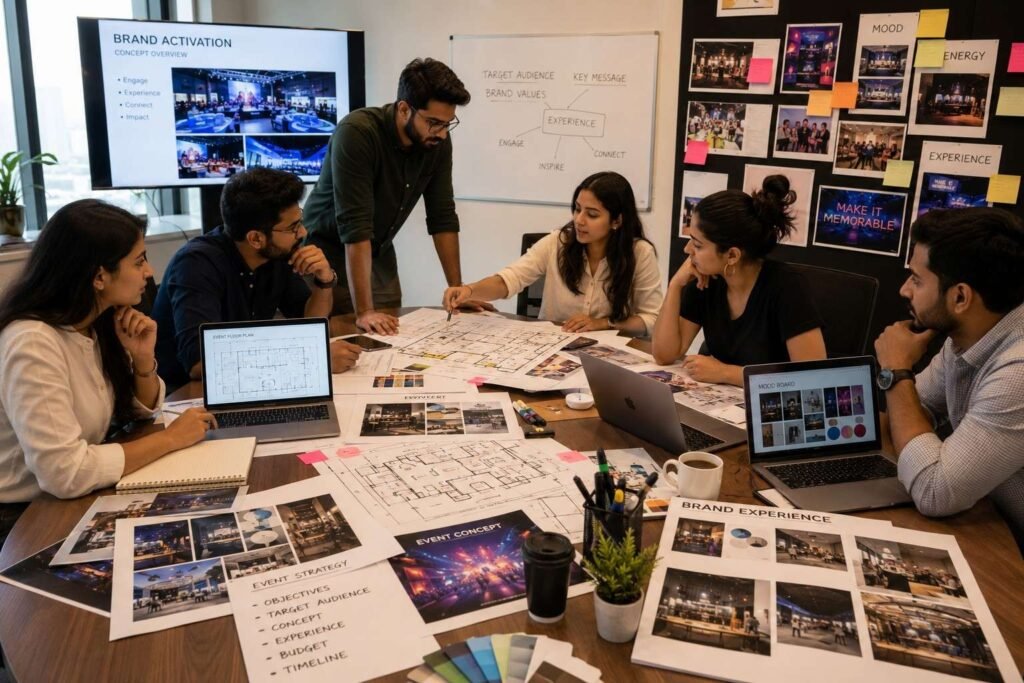
A creative concept may capture attention, but careful planning determines whether a live brand activation achieves its marketing objectives. Every successful campaign is built on a clear strategy that aligns the brand’s goals with audience expectations, operational planning, and measurable outcomes. Skipping this foundation often leads to experiences that look impressive but fail to generate meaningful engagement or business results. Rather than focusing only on logistics, approach planning as a structured process where every decision supports the overall purpose of the activation.
1. Start With Clear Campaign Objectives
Every successful activation begins with a clear purpose. Whether the goal is to increase brand awareness, launch a new product, generate qualified leads, drive retail footfall, or strengthen customer loyalty, defining the objective early helps guide every decision throughout the campaign. Having one primary goal with a few supporting objectives keeps the activation focused and makes success easier to measure.
2. Understand Your Target Audience
The most effective activations are designed around the audience, not just the brand. Understanding who your customers are, what interests them, where they spend their time, and how they prefer to interact with brands helps create experiences that feel relevant and engaging. The better you know your audience, the more meaningful the activation will be.
3. Develop a Strong Creative Concept
Every memorable brand activation is built around a simple but compelling idea. The experience should reflect your brand’s personality while supporting your campaign objective. Rather than focusing only on activities, create a story that people will remember and associate with your brand long after the event ends.
4. Choose the Right Venue
The venue plays a major role in the success of a live activation. Consider factors such as accessibility, expected footfall, available space, technical facilities, safety, and brand visibility. The right location should make it easy for your audience to participate while enhancing the overall experience.
5. Plan Your Budget Carefully
A successful activation is not determined by the size of the budget but by how wisely it is managed. Allocate funds for creative production, venue costs, staffing, technology, marketing, logistics, and contingency planning. Setting aside a reserve for unexpected expenses helps keep the event running smoothly if challenges arise.
6. Build the Right Team
Behind every successful activation is a well-coordinated team. Event managers, brand ambassadors, technical staff, logistics teams, photographers, and support personnel all play an important role. Clearly defined responsibilities and good communication help ensure a seamless experience for both visitors and organisers.
7. Use Technology Purposefully
Technology should improve the customer experience, not complicate it. Tools such as QR code registrations, interactive displays, gamification, AR or VR experiences, AI-powered recommendations, and real-time analytics can increase engagement while providing valuable campaign insights. Choose technology only when it adds genuine value.
8. Promote the Activation in Advance
A great activation still needs effective promotion. Build anticipation through email marketing, social media, influencer partnerships, paid advertising, PR, and event landing pages. Starting promotion early helps increase attendance and ensures your target audience knows what to expect.
9. Prepare for Unexpected Challenges
Live events rarely go exactly as planned, so having contingency plans is essential. Preparing for weather changes, technical issues, staffing shortages, delivery delays, or crowd management concerns allows your team to respond quickly without disrupting the visitor experience.
10. Continue the Engagement After the Event
The customer journey shouldn’t end when the activation is over. Follow up with attendees through personalised emails, share event highlights on social media, collect feedback, nurture qualified leads, and review campaign performance. These post-event activities help extend the impact of the activation and turn one-time visitors into long-term customers.
Creating Memorable Brand Experiences
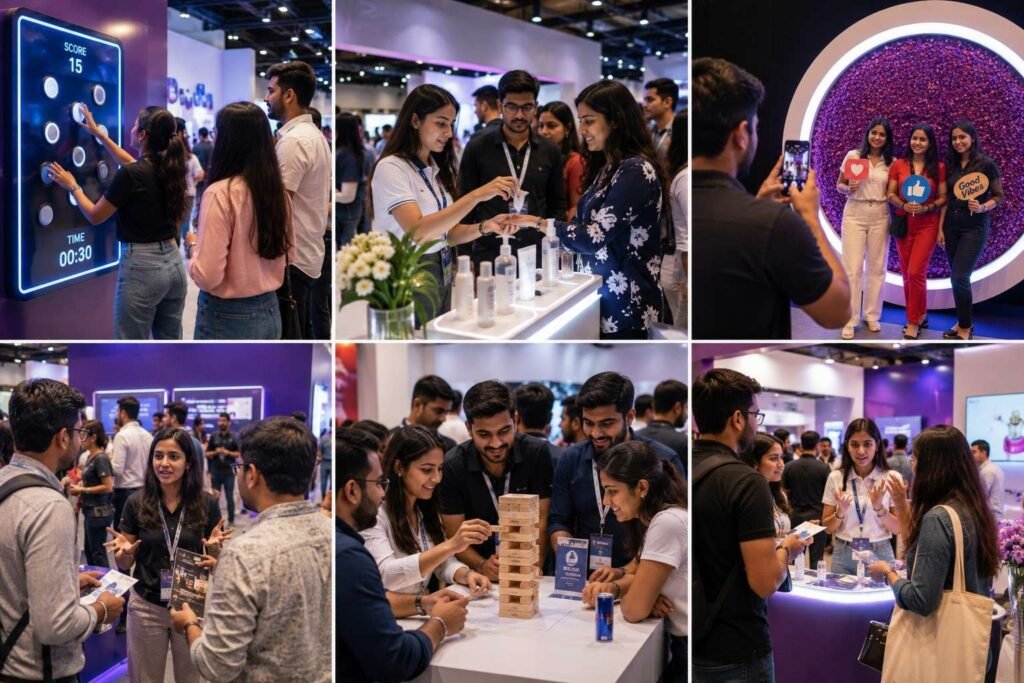
A successful live brand activation isn’t remembered because of an elaborate stage, impressive technology, or expensive giveaways. It’s remembered because it makes people feel involved. The most impactful activities create moments that are enjoyable, relevant, and easy to connect with, turning casual visitors into active participants and, often, loyal customers. Creating that kind of experience requires more than good event planning. It means understanding what motivates your audience and designing every interaction with purpose.
1. Tell a Story People Want to Be Part Of
Every memorable activation starts with a strong story. Instead of focusing only on product features or promotional messages, show visitors what your brand stands for and how it makes a difference in their lives. A clear narrative gives people a reason to engage and helps them connect with your brand on a deeper level. Whether you’re launching a product or promoting a service, a story that is simple, authentic, and relatable is far more memorable than a sales pitch.
2. Make Participation the Centre of the Experience
The best brand activations invite people to take part rather than watch. Allowing visitors to try a product, join an activity, personalise an item, or interact with your team creates a stronger sense of involvement. Active participation makes the experience more enjoyable, increases the time people spend with your brand, and improves the chances that they will remember and recommend it after the event.
3. Design Every Touchpoint With the Visitor in Mind
A visitor’s experience begins long before they interact with your product. The entrance, signage, staff interactions, activity flow, and exit experience all influence how people perceive your brand. Every touchpoint should feel welcoming, intuitive, and easy to navigate. When visitors can move through the activation without confusion or unnecessary waiting, they are more likely to stay engaged and leave with a positive impression.
4. Personalisation Creates Stronger Connections
People appreciate experiences that feel relevant to them. Even simple forms of personalisation can make a visitor feel recognised and valued. Recommending products based on individual interests, offering customised demonstrations, or following up with relevant information after the event shows that your brand understands its audience. These personalised interactions help build stronger emotional connections and improve customer satisfaction.
5. Encourage Organic Social Sharing
People naturally share experiences that surprise, entertain, or inspire them. Instead of asking visitors to post about your activation, create moments they genuinely want to capture and share. Creative installations, interactive displays, behind-the-scenes experiences, or visually engaging setups can encourage user-generated content without feeling forced. Every shared photo or video helps extend your activation’s reach and introduce your brand to new audiences through authentic recommendations.
6. Technology Should Enhance, Not Distract
Technology can make live brand activations more engaging when it has a clear purpose. Tools such as QR codes, Augmented Reality (AR), Virtual Reality (VR), AI-powered recommendations, interactive touchscreens, or gamified experiences should make it easier for visitors to explore, learn, and participate. Rather than using technology simply because it is available, focus on solutions that improve convenience, simplify interactions, or add value to the overall experience.
7. Train Brand Representatives to Create Genuine Conversations
Your team is one of the most important parts of any live activation. Visitors often remember the people they interacted with as much as the activities themselves. Brand representatives should be approachable, knowledgeable, and genuinely interested in helping visitors rather than delivering scripted sales messages. Friendly conversations, honest answers, and personalised recommendations build trust and make the experience feel more authentic.
8. Balance Entertainment With Brand Purpose
Entertainment plays an important role in attracting visitors, but it should never overshadow the brand itself. Games, performances, competitions, or immersive experiences should support your marketing objectives rather than becoming the only thing people remember. Every activity should reinforce your brand’s message, values, or products so that visitors leave with a clear understanding of who you are and what you offer.
9. End the Experience With a Clear Next Step
A live brand activation should not end when the event is over. Before visitors leave, give them a simple reason to continue engaging with your brand. This could be joining a loyalty programme, signing up for updates, booking a product demonstration, redeeming an exclusive offer, or following your social media channels. A thoughtful follow-up strategy keeps the conversation going, strengthens customer relationships, and helps turn a memorable experience into long-term business results.
Emerging Trends Shaping Live Brand Activations
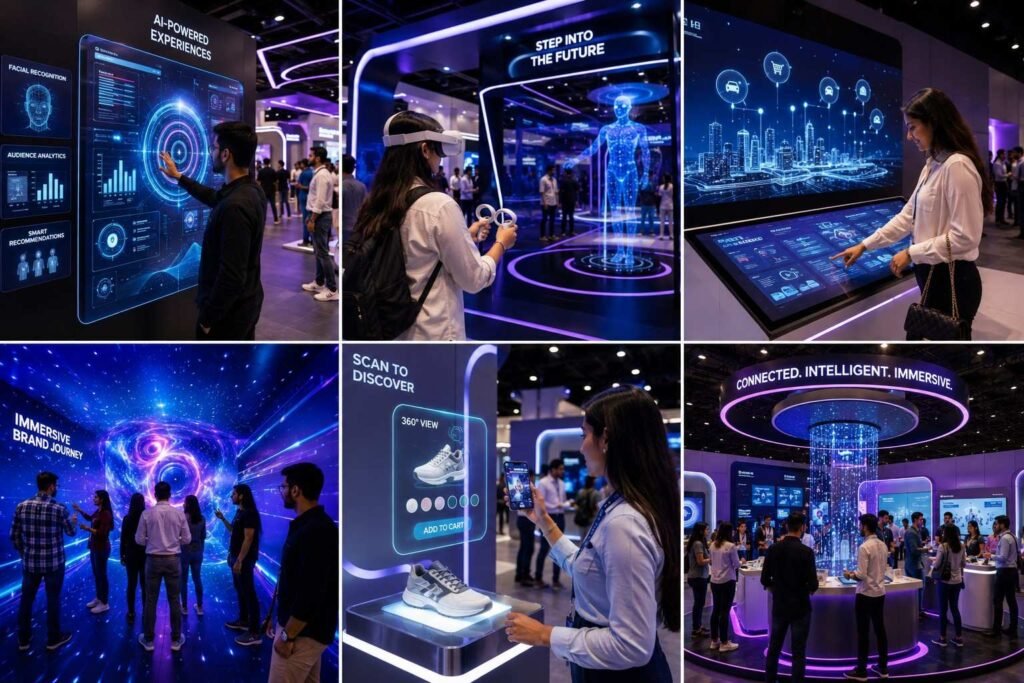
Consumer expectations continue to evolve, and so do the strategies brands use to engage them. While the core objective of live brand activations remains the same creating meaningful connections through real-world experiences the way these experiences are designed and delivered is changing rapidly. Modern activations are becoming more personalised, technology-enabled, and data-driven, helping brands create stronger engagement while delivering measurable business outcomes. Understanding these trends can help marketers plan campaigns that remain relevant and effective in the years ahead.
AI Is Making Experiences More Personal
Artificial intelligence is no longer limited to digital marketing. Brands are increasingly using AI to personalise live experiences based on visitor preferences and behaviour. For example, AI can help recommend products during demonstrations, guide attendees to relevant experiences, analyse visitor interactions in real time, or automate lead qualification after an event. The objective isn’t to replace human interaction but to make every engagement more relevant. When used thoughtfully, AI helps brands deliver experiences that feel tailored rather than generic.
Physical and Digital Experiences Are Working Together
The line between physical and digital marketing continues to disappear. Today’s most successful brand activations combine in-person experiences with digital touchpoints to create a connected customer journey before, during, and after the event. From online registrations and QR code experiences to live streaming, social media engagement, digital product catalogues, and personalised follow-up communication, every interaction works together to keep audiences connected. This integrated approach extends the life of an activation and creates multiple opportunities for ongoing engagement.
Sustainability Is Becoming a Business Priority
Sustainability is no longer an optional feature of live events—it is becoming a core expectation. Businesses are increasingly choosing reusable exhibition structures, digital brochures, eco-friendly giveaways, sustainable materials, and energy-efficient production methods to reduce environmental impact. These responsible practices not only minimise waste but also strengthen brand credibility among consumers who value organisations that demonstrate a genuine commitment to sustainability.
Immersive Experiences Continue to Grow
Modern audiences expect experiences they can actively explore rather than simply observe. As a result, brands are investing in immersive technologies such as Augmented Reality (AR), Virtual Reality (VR), projection mapping, interactive LED displays, motion-based installations, and multi-sensory environments. When used thoughtfully, these technologies help visitors understand products more effectively while creating memorable experiences that encourage participation and social sharing.
Data Is Driving Better Decision-Making
Every live brand activation generates valuable insights that can improve future campaigns. By analysing visitor behaviour, businesses can identify which experiences attracted the most attention, where attendees spent the most time, which products generated the highest interest, and which marketing channels delivered the best results. These insights enable marketers to make evidence-based decisions, optimise future activations, and achieve stronger returns on investment.
Community-Centred Experiences Are Becoming More Valuable
Consumers are increasingly choosing brands that contribute positively to society. Rather than focusing only on product promotion, many businesses are creating activities that support local communities through educational workshops, wellness programmes, environmental initiatives, charity partnerships, community art projects, and collaborations with local organisations. These experiences strengthen brand reputation while creating genuine connections with audiences through shared values and meaningful participation.
Shorter, More Interactive Experiences Are Replacing Passive Displays
Visitor expectations have changed significantly in recent years. Instead of spending time viewing static displays, people prefer experiences that are interactive, engaging, and immediately rewarding. Live demonstrations, hands-on product trials, personalised consultations, creator collaborations, interactive challenges, and instant digital rewards encourage active participation and keep visitors engaged throughout the experience. This shift allows brands to communicate their message more effectively while creating memorable interactions.
First-Party Data Is Becoming More Important
As privacy regulations evolve and third-party cookies become less reliable, first-party data is becoming an increasingly valuable business asset. Live brand activations provide an excellent opportunity to collect customer information with clear consent through registrations, competitions, product demonstrations, loyalty programmes, interactive surveys, and QR code experiences. This information helps businesses personalise future communication, improve customer experiences, and build stronger long-term relationships while maintaining transparency and trust.
Authenticity Matters More Than Scale
One of the biggest changes in experiential marketing in corporate events is the growing demand for immersive brand experiences. Audiences are less impressed by large budgets and elaborate productions if the experience feels disconnected from the brand’s purpose. Instead, they value genuine interactions, meaningful conversations, and experiences that reflect a company’s values. Even smaller activations can create a lasting impact when they focus on delivering value, building trust, and creating memorable customer experiences. In the years ahead, authenticity is likely to become one of the strongest drivers of successful live brand activations.