Speaker Management Guide: How to Select, Coordinate, and Support Conference Speakers

Speaker Management Guide: How to Select, Coordinate, and Support Conference Speakers

A great conference isn’t remembered only for its venue, networking opportunities, or agenda; it’s remembered for the speakers who inspire, educate, and engage the audience. However, even the most experienced keynote speaker can struggle if communication is unclear, schedules change unexpectedly, or technical arrangements fall through. That’s why conference speaker management is one of the most important parts of event planning. From selecting speakers who align with your event goals to coordinating conference speakers, managing presentations, and providing on-site support, every step plays a role in delivering a seamless experience for both speakers and attendees.


Whether you’re planning a corporate conference, an industry summit, a leadership event, or a large business convention, having a structured process for conference speaker planning helps reduce last-minute issues, keeps sessions running on time, and ensures every speaker is set up for success. This guide covers how to choose the right speakers, run through each stage of the speaker journey, avoid common mistakes, and use the templates and checklists professional event teams rely on to deliver successful conferences.

What Is Conference Speaker Management?

Conference speaker management is the process of selecting, coordinating, preparing, and supporting speakers before, during, and after a conference. It covers everything from invitations and scheduling to presentation reviews, travel arrangements, technical rehearsals, and on-site assistance, ensuring every session runs smoothly. Think of it this way: a speaker may deliver the presentation, but a well-organised speaker management process makes that presentation successful.

For example, imagine a keynote speaker arriving at the venue only to discover their presentation isn’t compatible with the venue’s system, the microphone hasn’t been tested, or the session schedule has changed without notice. These issues can disrupt the event and affect the audience’s experience. Solid conference speaker coordination prevents this through clear planning and communication, not last-minute scrambling.


A simple way to think about the whole process is the 5P framework: five stages that build on each other:

P

Focus

What It Covers

Purpose

Why this speaker, for this session

Conference objectives, audience fit, session goals

People

Who’s involved and their role

Speaker type (keynote, guest, moderator), internal vs. external, coordinator assignment

Preparation

Getting ready before the day

Briefing, agreement, rider, rehearsals, presentation review

Presentation

The live delivery

On-site support, AV, green room, hospitality, timing

Post-Event

Wrapping up

Follow-up, feedback, evaluation, scorecards

Most speaker management mistakes trace back to skipping one of these five stages rather than any single dramatic failure.

Why Speaker Management Matters for Conference Success
Speaker Management Matters for Conference Success

Great speakers can capture an audience’s attention, but delivering a successful session takes much more than expertise. Clear communication, careful planning, and the right support behind the scenes are what help speakers perform at their best. The numbers back this up. Freeman’s Trends Report (December 2025) found that about two-thirds of event attendees consider the keynote the single most influential part of a conference. That’s a lot of weight riding on a handful of sessions, which is exactly why the coordination behind them matters so much. When speakers know exactly what to expect and have the resources they need, they can focus on sharing valuable insights instead of worrying about logistics.


What Happens Without a Plan

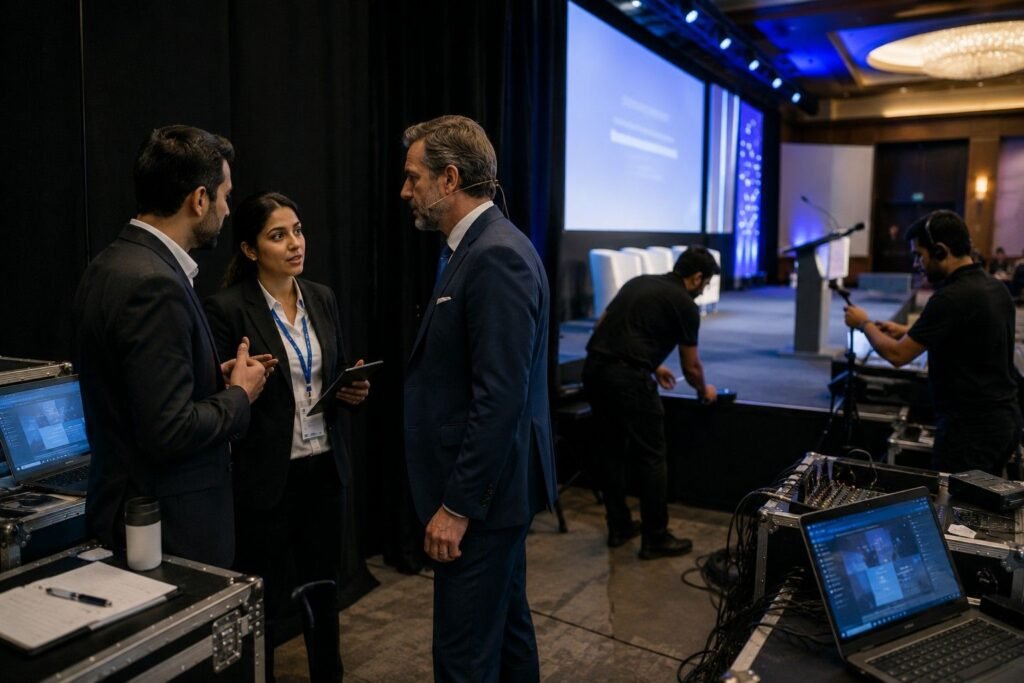
Without a structured plan, even well-organised conferences run into avoidable problems. Speakers may arrive without a clear understanding of their session timings, presentation files get submitted at the last minute, and technical issues go unnoticed until the session begins. Agenda changes may not reach everyone involved, leaving moderators, production teams, and speakers out of sync. Individually, these issues seem minor, but together they delay sessions and create a less professional experience.


Real-World Scenario

A keynote speaker reaches the venue just 20 minutes before their session. Their presentation uses custom fonts that don’t display correctly on the event laptop, and the wireless microphone hasn’t been tested. Instead of starting confidently, valuable time is spent resolving technical issues. Now picture the same scenario with a rehearsal already logged and a checklist signed off. The presentation was reviewed days in advance, equipment was tested, and the speaker arrived knowing exactly where to go. The session starts on time, and the audience gets a smooth, professional presentation.

How to Select the Right Conference Speakers

How to Select the Right Conference Speakers

Choosing conference speakers isn’t just about inviting well-known names. The right speaker should align with your event’s purpose, connect with your audience, and add genuine value to every session.


1. Define Your Conference Objectives

Before reaching out to potential speakers, be clear about what your conference is trying to achieve, whether that’s education, business development, a product launch, or industry discussion. Your objectives should guide speaker selection and keynote planning, rather than the other way around.


2. Understand Your Audience

The best speakers understand the people sitting in front of them. A presentation that lands well with senior executives may not resonate with early-career professionals. Take time to understand who’s attending and what they’re hoping to learn.


3. Evaluate Potential Speakers

Popularity doesn’t guarantee a successful session. Before confirming anyone, do a proper speaker evaluation: watch recordings of past talks, check industry experience, and gauge how clearly they communicate complex ideas. A simple scorecard, rating criteria like content relevance, delivery, and audience fit on a consistent scale, makes it much easier to compare candidates objectively instead of going on gut feel.


4. Build a Balanced Speaker Lineup

A memorable conference offers a variety of perspectives rather than speakers with similar backgrounds. It also helps to be clear on roles going in:

Role

Purpose

Typical Time Slot

Prep Needed

Keynote speaker

Sets the tone, delivers the big-picture message

Opening or closing session

Highest, deep briefing, rehearsal, custom content

Guest speaker

Shares specific expertise or a case study

Breakout or themed session

Moderate, standard briefing and slide review

Moderator

Guides panels, manages Q&A, keeps time

Panels and discussions

Lighter, but needs the full speaker list and talking points in advance


Whether a speaker is internal or external also changes what you manage:

Factor

Internal Speaker

External Speaker

Agreement

Usually informal, confirmed internally

Needs a formal speaker agreement or contract

Cost

Typically, none beyond time

Fee, travel, and possibly a rider

Briefing

Lighter; they already know the business

Full briefing pack on audience, brand, and objectives

Flexibility

Easier to adjust content or timing

Less flexible once contracted

Credibility angle

Strong internal authority

Brings outside validation and fresh perspective


5. Confirm Expectations Early

Once speakers accept, share session objectives, timings, audience profile, technical requirements, deadlines, and travel arrangements well in advance. This gives speakers time to prepare and gives your production team room to schedule rehearsals and reviews before conference day.

The Complete Conference Speaker Management Process

Once you’ve selected the right speakers, the challenge shifts to managing every stage of their journey, from first invitation to post-event follow-up. Treat it as a workflow with a clear timeline rather than a pile of separate tasks, and the whole thing gets far easier to run.

Stage

What Happens

1. Speaker research

Identify speakers based on expertise, relevance, and audience value, not just name recognition. Check availability early.

2. Invitation and confirmation

Send a clear first message, then confirm session format, date, and responsibilities in writing once accepted.

3. Finalise the agreement

Document session title, duration, deadlines, travel terms, payment, and recording permissions in the speaker agreement.

4. Onboard the speaker

Hand over the agenda, audience profile, venue details, presentation guidelines, and deadlines, ideally via one briefing document.

5. Keep communication consistent

Send regular updates on deadlines, agenda changes, rehearsals, and travel so nothing lands as a surprise.

6. Coordinate travel and logistics

Confirm flights, accommodation, transport, and arrival times; give speakers a single itinerary.

7. Review presentations

Collect files early to check content, video/animation playback, fonts, and branding consistency.

8. Run technical rehearsals

Test microphones, clickers, confidence monitors, video, and lighting, especially important for hybrid sessions.

9. Support speakers on-site

Assign a point of contact for arrival, green room needs, AV coordination, and last-minute requests.

10. Follow up after the event

Thank speakers, share recordings, request feedback, and log evaluation notes for next time.


Steps 6 through 9 look a little different depending on format:

Format

Logistics

Rehearsal Needs

On-Site Support

In-person

Travel, accommodation, venue access

Standard AV and stage rehearsal

Green room, hospitality, dedicated escort

Virtual

Tech check on speaker’s own setup, backup connection

Platform walkthrough, screen-share test

Remote producer on standby during the session

Hybrid

Both of the above, plus stage-to-stream handoff

Joint rehearsal covering in-room and remote audience interaction

On-site support for the speaker, plus a producer coordinating the virtual side

Essential Speaker Management Templates and Tools

Successful speaker management isn’t just about communication; it’s about having the right documents and systems in place. Standardised templates help event teams save time, reduce errors, and ensure every speaker receives a consistent experience from the initial invitation through post-event follow-up. The following templates and tools form the foundation of an organised and scalable speaker management process.

Template / Tool

Purpose

Speaker Invitation Template

Standardises the initial outreach by including key event details, session expectations, timelines, and next steps, ensuring every speaker receives consistent information.

Written Agreement

Confirms session details, speaking fees (if applicable), travel arrangements, deadlines, cancellation terms, and recording or content usage rights before planning begins.

Speaker Briefing Document

Provides a concise overview of the event agenda, audience profile, venue information, presentation guidelines, branding requirements, and important deadlines.

Speaker Rider

Documents technical, staging, AV, accessibility, hospitality, and dietary requirements so all logistical needs are captured in one place.

Shared Timeline

Organises key milestones such as contract completion, travel bookings, presentation submission, rehearsal schedules, and event-day activities to keep everyone aligned.

Running Checklist

Tracks the completion of essential deliverables including bios, headshots, signed agreements, presentation slides, travel confirmations, and other speaker requirements.

Communication Templates

Provides reusable email templates for invitations, confirmations, reminders, presentation requests, travel updates, and post-event thank-you messages to ensure consistent communication.

Speaker Management Software

Centralises speaker profiles, contracts, presentation files, communication, travel information, schedules, and deadlines in a single platform, making it easier to manage multiple speakers efficiently.


Common Speaker Management Mistakes (and How to Avoid Them)

Even experienced event organisers can encounter speaker management challenges. While some issues may seem minor at first, they can quickly affect session quality, attendee experience, and the overall flow of the conference. Fortunately, most of these problems are preventable with clear communication, organised planning, and a structured speaker management process.


Inconsistent Communication with Speakers

One of the most common mistakes is only contacting speakers when something urgent comes up. This can lead to confusion about schedules, presentation deadlines, travel arrangements, or session expectations. Keeping communication consistent throughout the planning process helps speakers stay informed, prepare with confidence, and reduces last-minute surprises.


Poor Organisation of Speaker Information

Managing multiple speakers means handling contracts, biographies, presentation files, travel details, and technical requirements. When this information is scattered across emails or different documents, important details can easily be missed. Storing everything in a central location ensures the event team can quickly access accurate information whenever it’s needed.


Skipping Technical Checks

Technical issues are often avoidable but can significantly disrupt a session. Presentations should be tested in advance, along with microphones, videos, clickers, internet connectivity, and other AV equipment. Completing these checks before conference day gives the team enough time to resolve any issues before speakers take the stage.


Unclear Roles and Responsibilities

Speakers should always know who to contact if they need assistance. Assigning each speaker a dedicated point of contact improves communication and provides reassurance throughout the event. Likewise, every member of the event team should clearly understand their responsibilities to ensure nothing is overlooked during the conference.


Not Preparing for Unexpected Situations

Even the best-planned events can face unexpected challenges such as delayed flights, last-minute cancellations, schedule changes, or technical failures. Having contingency plans in place allows the team to respond quickly and minimise disruption without affecting the attendee experience.


Why These Practices Matter

Conference sessions often appear effortless to attendees, but that smooth experience is the result of careful planning behind the scenes. A missed presentation file, an uncommunicated room change, an outdated agenda, or an overlooked technical requirement can create unnecessary stress for both speakers and organisers. By maintaining consistent communication, staying organised, testing technology in advance, assigning clear responsibilities, and preparing for unexpected situations, event teams can reduce risks and deliver a professional, seamless conference experience.


Conclusion

Effective conference speaker management is about much more than booking speakers and creating an agenda. It involves thoughtful planning, clear communication, careful coordination, and continuous support to ensure every speaker can deliver their best while attendees enjoy a seamless event experience. By following a structured process from selecting the right speakers and managing logistics to conducting technical rehearsals and gathering post-event feedback, you can minimise last-minute challenges, keep sessions running smoothly, and create a conference that leaves a lasting impression. Whether you’re organising a corporate conference, leadership summit, industry convention, or business seminar, investing time in speaker management helps improve event quality, strengthen your brand reputation, and build lasting relationships with both speakers and attendees.


FAQs

1. What is conference speaker management?

Conference speaker management is the process of planning and coordinating every aspect of a speaker’s participation in an event. It includes speaker invitations, scheduling, communication, presentation planning, technical preparation, and on-site support to help sessions run smoothly.

For most conferences, keynote and industry speakers should be invited 6 to 12 months before the event. Booking early increases the chances of securing preferred speakers and provides sufficient time for agenda planning, travel arrangements, and promotional activities.

A speaker briefing document should contain the event agenda, session objectives, audience profile, presentation guidelines, venue details, technical requirements, important deadlines, dress code (if applicable), and contact information for the event team.

Organisers can reduce last-minute problems by confirming schedules early, maintaining regular communication, collecting presentation materials before deadlines, conducting technical rehearsals, and preparing backup presentation files and contingency plans.

Yes. Technical rehearsals help speakers become familiar with the stage, microphones, presentation systems, lighting, and audiovisual equipment. They also allow the event team to identify and resolve technical issues before the conference begins.

Large conferences typically use detailed schedules, clear communication, and organized planning to keep multiple speaker sessions running smoothly. Coordinated timelines and advance preparation help ensure sessions stay on track throughout the event.

If a speaker cancels unexpectedly, event organizers usually implement a contingency plan. This may involve updating the agenda, arranging an alternative session, or making schedule adjustments while keeping attendees informed of any changes.

The success of conference speakers is commonly measured through attendee feedback, audience engagement, session attendance, and post-event surveys. These insights help assess the overall impact of each session and identify opportunities for improvement.

A successful conference speaker combines subject expertise with strong communication skills, audience engagement, clear storytelling, confidence, and well-structured presentations. The ability to adapt to audience interactions and deliver actionable insights also contributes to a memorable session.

Effective speaker management helps ensure speakers are well-prepared, sessions start on time, technical requirements are met, and attendees have a seamless learning experience. Well-coordinated speakers contribute significantly to the overall quality and professionalism of a conference.