What Makes an Exhibition Stand Design Effective?
An effective exhibition stand design combines strong branding, clear messaging, and interactive elements to attract and engage visitors. It should be visually appealing, easy to navigate, and strategically designed to convert footfall into meaningful business leads. A successful exhibition stand is not just about aesthetics it is a carefully planned marketing tool. At a crowded trade show, you have only a few seconds to capture attention. This means every element of your stand must work together to communicate your brand story quickly and convincingly.
Clear Brand Identity and Messaging
The most effective exhibition stands make it instantly clear who you are and what you offer. Visitors should not have to guess your industry or value proposition.
To achieve this:
- Use bold, visible branding (logo, colors, tagline)
- Keep messaging short and benefit-driven
- Highlight your unique selling points clearly
A confused visitor rarely stops. A clear message increases the chances of engagement.
Visual Appeal That Stops Foot Traffic
Your exhibition stand competes with dozens or even hundreds of others. Strong visual design is what makes someone pause.
High-impact elements include:
- Strategic lighting to highlight key areas
- Large-format graphics or backlit displays
- Clean, modern layouts instead of cluttered spaces
The goal is simple: create a visual “pause moment” that draws people in.
Smart Layout and Space Utilization
An effective exhibition booth design ensures visitors can move freely and interact comfortably.
Key layout principles:
- Open and inviting entrance (avoid barriers)
- Defined zones (demo area, discussion space, display section)
- Logical flow that guides visitors naturally
A cramped or confusing layout pushes people away, while a well-structured space encourages them to stay longer.
Engagement and Interaction
Modern exhibition stand design goes beyond static displays. The more interactive your booth, the higher the engagement.
Examples include:
- Touchscreens or digital presentations
- Live product demonstrations
- Gamified experiences or contests
Interactive elements not only attract visitors but also make your brand more memorable.
Alignment with Business Goals
Every exhibition booth design decision should support a clear objective whether it’s lead generation, brand awareness, or product launches.
Ask yourself:
- What action do I want visitors to take?
- How does the design guide them toward that action?
For example, a lead-focused stand might prioritize:
- Easy contact capture points
- Comfortable meeting areas
- Clear call-to-action signage
Local Relevance and Audience Understanding
When planning exhibition stand design in India or globally, understanding your audience is critical. Different industries and regions respond to different styles, messaging, and engagement tactics.
Consider:
- Industry expectations (tech vs. manufacturing vs. retail)
- Cultural preferences in design and communication
- Event type and audience demographics
A design that resonates locally will always outperform a generic global approach.
Balance Between Creativity and Functionality
While creativity attracts attention, functionality ensures results. The best exhibition stand designs strike a balance between the two.
Avoid:
- Overdesigning with too many elements
- Prioritizing looks over usability
Instead, focus on:
- Clean, purposeful design
- Easy interaction points
- Clear visitor journey
Top Exhibition Stand Design Ideas for Maximum Impact in 2026
The most successful exhibition stand designs in 2026 go far beyond visual appeal. They are immersive, strategically planned, and built to create meaningful brand experiences. Businesses are no longer relying on traditional booth setups; instead, they are focusing on engagement, innovation, and functionality to stand out in highly competitive exhibition environments. A well-designed exhibition booth not only attracts attention but also increases visitor engagement, improves brand recall, and drives higher conversion rates. Below are the most effective and result-driven exhibition stand design ideas, explained with practical insights, advantages, and limitations.
1. Immersive and Experiential Booth Designs
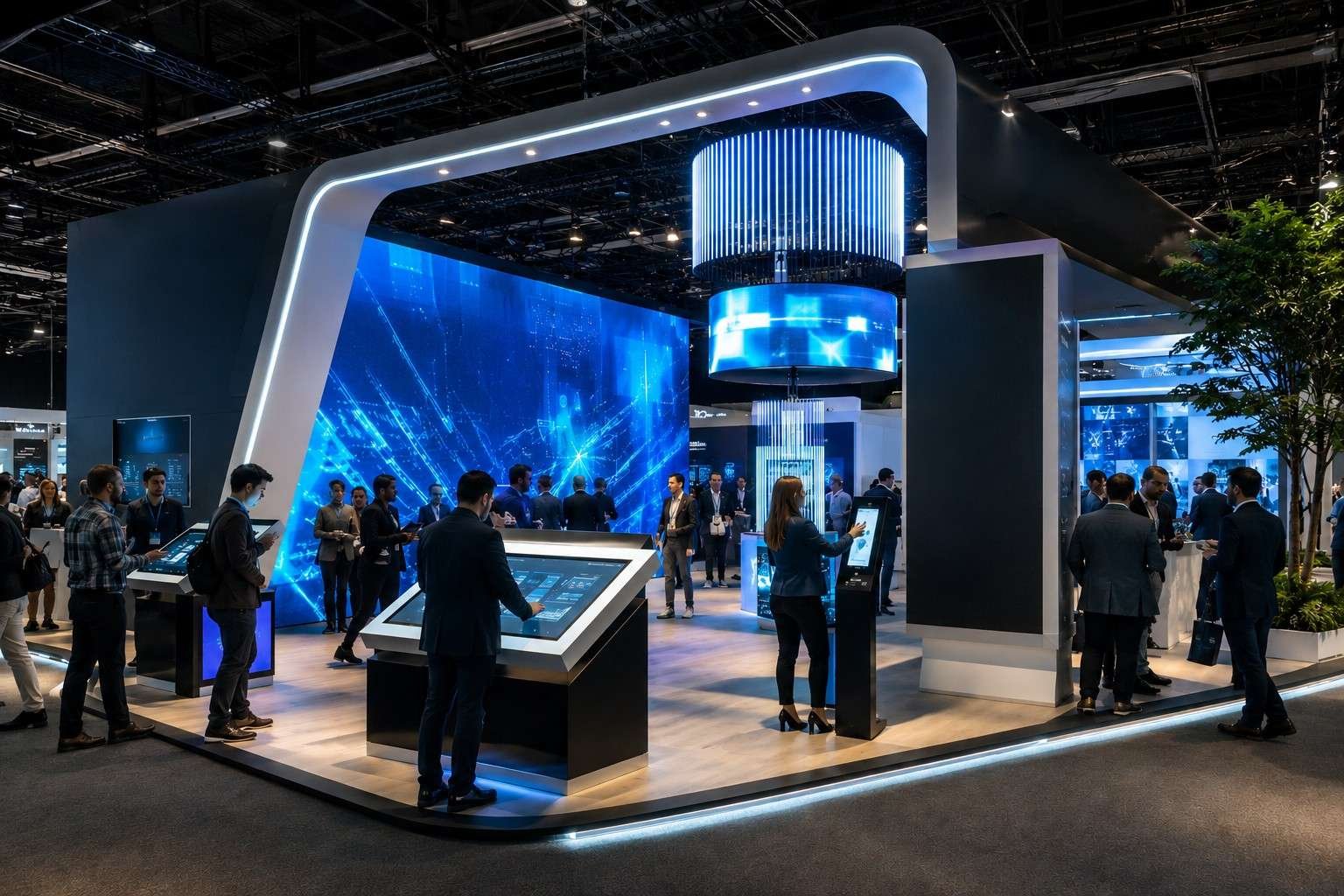
Modern visitors expect experiences rather than static displays. Immersive exhibition stand design uses space, storytelling, and technology to create an environment where visitors feel part of the brand.
This approach can include:
- 360-degree branded environments
- Themed booth concepts aligned with your brand story
- Walk-through journeys that guide visitors step by step
Why it works:
Visitors are more likely to remember experiences than visuals. Emotional engagement leads to stronger brand recall and deeper connections.
Pros:
- High engagement and longer visitor time
- Strong brand storytelling
- Memorable experience that differentiates your booth
Cons:
- Higher cost and planning effort
- Requires more space
- Execution must be precise to avoid confusion
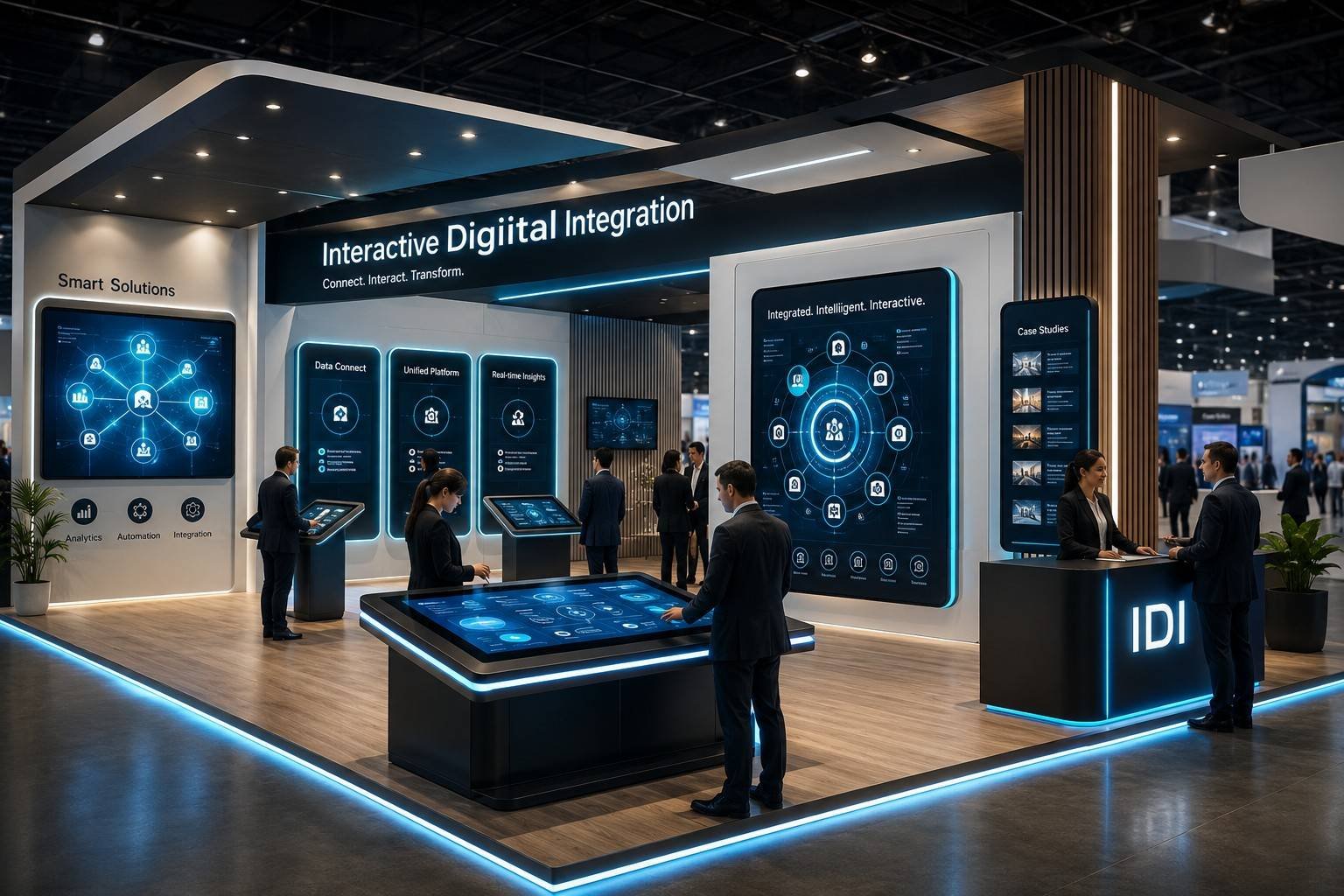
2. Interactive Digital Integration
Technology-driven exhibition booth design is one of the most powerful trends shaping modern trade shows. Digital elements not only attract attention but also encourage active participation.
Popular features include:
- Touchscreen product catalogues
- Augmented reality (AR) or virtual reality (VR) experiences
- LED video walls with dynamic content
Why it works:
Interactive technology simplifies complex information and allows visitors to explore your offerings at their own pace.
Pros:
- Increases engagement and interaction
- Modern and innovative brand perception
- Ideal for demonstrating complex products
Cons:
- Requires technical setup and maintenance
- Can fail if not user-friendly
- Higher initial investment
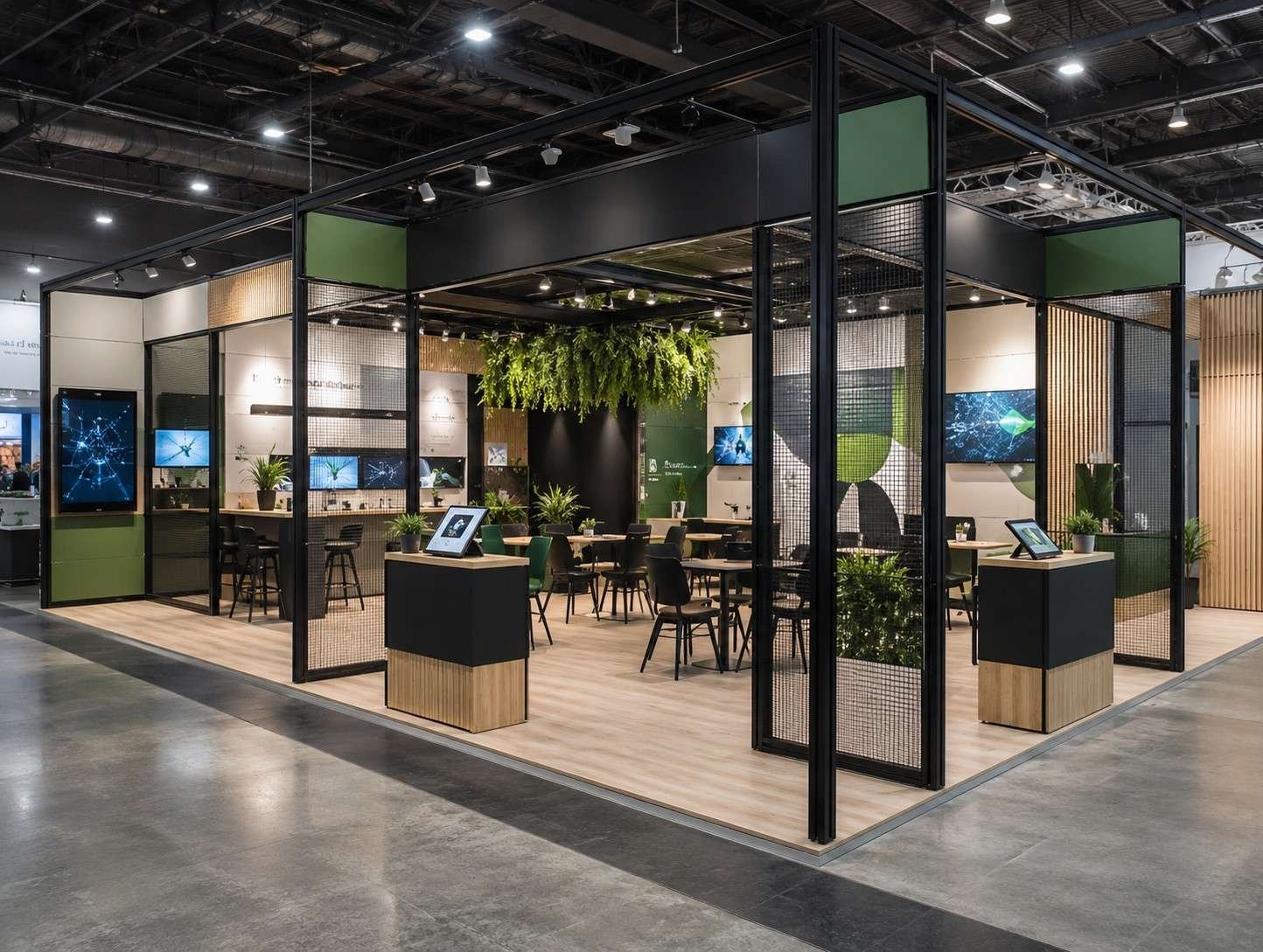
3. Modular Exhibition Stand Designs
Flexibility is essential for brands participating in multiple exhibitions. Modular exhibition stand design allows you to reuse and adapt your booth for different layouts and events.
Key benefits include:
- Easy transportation and setup
- Adaptability to different booth sizes
- Cost efficiency over multiple exhibitions
Why it works:
It balances cost and customization, making it ideal for long-term exhibition strategies.
Pros:
- Budget-friendly over time
- Scalable and flexible
- Quick installation and dismantling
Cons:
- Limited uniqueness compared to custom stands
- Design constraints due to modular structure
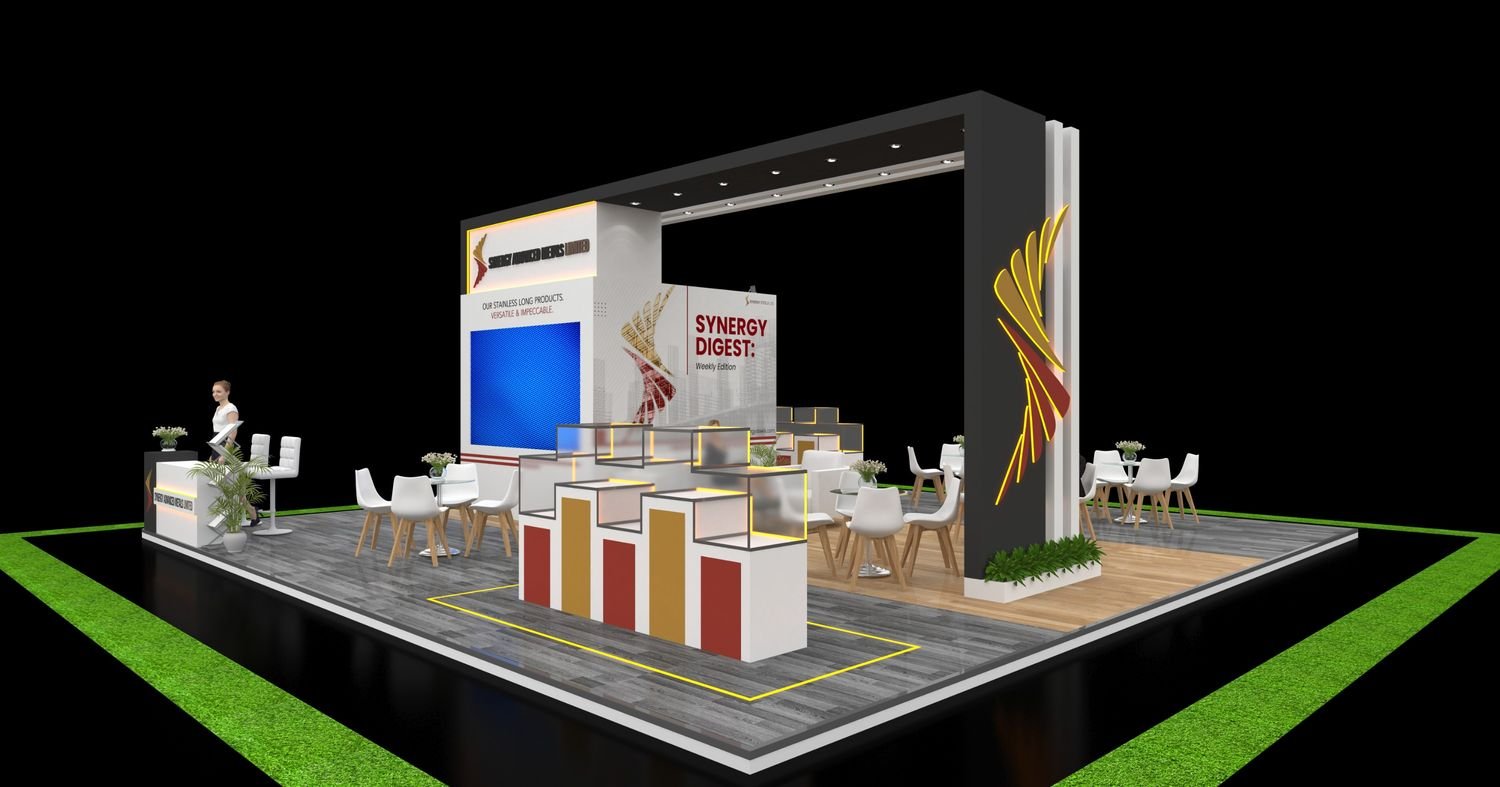
4. Minimalist and Clean Designs
In a visually crowded exhibition space, simplicity can be a powerful differentiator. Minimalist exhibition stand design focuses on clarity, open space, and strong visual hierarchy.
Key elements include:
- Clutter-free layouts
- Limited but impactful graphics
- Neutral tones with bold brand accents
Why it works:
A clean design makes your message easier to understand and positions your brand as premium and professional.
Pros:
- Easy to understand messaging
- Modern and elegant appearance
- Lower visual clutter improves focus
Cons:
- Requires strong design precision
- Risk of looking too plain if not executed well
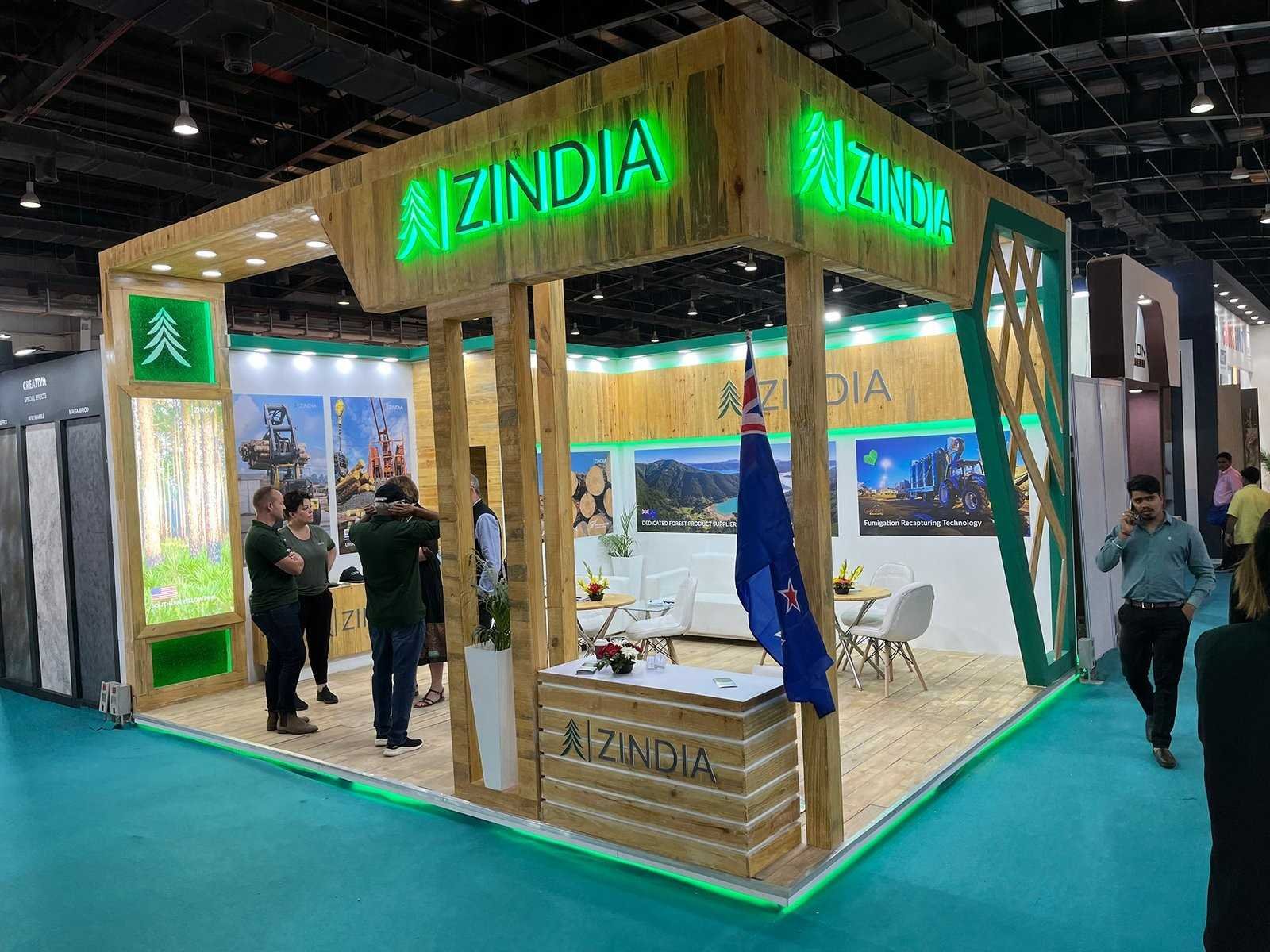
5. Sustainable and Eco-Friendly Exhibition Booths
Sustainability is becoming a major priority for brands and audiences alike. Eco-friendly exhibition stand design focuses on reducing environmental impact while maintaining visual appeal.
Common approaches include:
- Use of recyclable or reusable materials
- Energy-efficient lighting systems
- Modular and reusable booth structures
Why it works:
It enhances brand image and aligns with global sustainability trends.
Pros:
- Positive brand perception
- Cost savings in long-term reuse
- Environmentally responsible approach
Cons:
- Initial material sourcing can be expensive
- Limited availability of sustainable materials in some regions
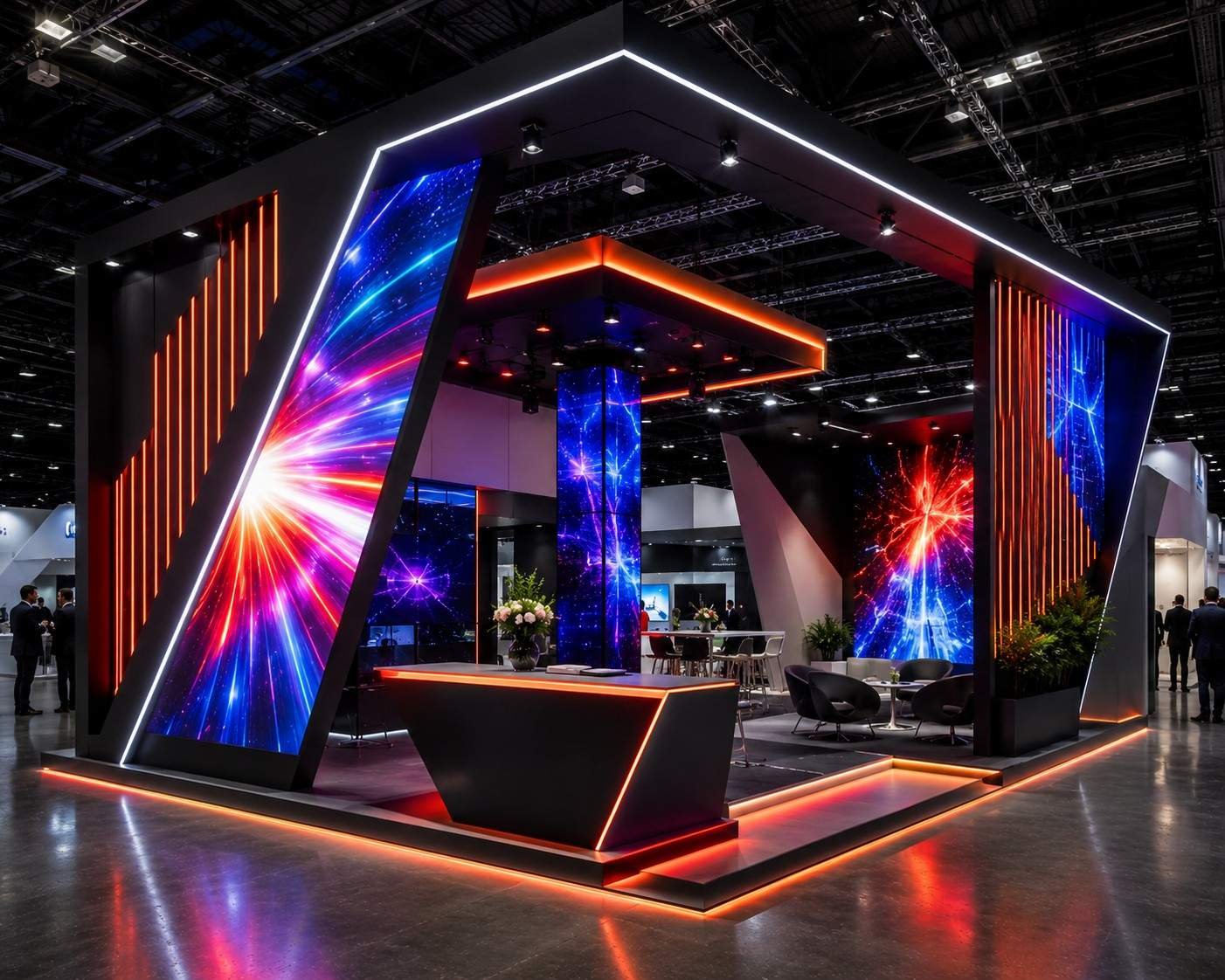
6. Bold Lighting and Visual Effects
Lighting is one of the most powerful tools in exhibition booth design. It not only enhances visibility but also creates mood and directs attention.
Effective techniques include:
- Spotlighting key products or zones
- Backlit graphics for high visibility
- Dynamic LED lighting effects
Why it works:
Lighting naturally attracts the human eye and can dramatically increase footfall.
Pros:
- Immediate visual impact
- Enhances product presentation
- Improves overall booth aesthetics
Cons:
- Poor lighting can ruin the design
- Requires careful planning and positioning
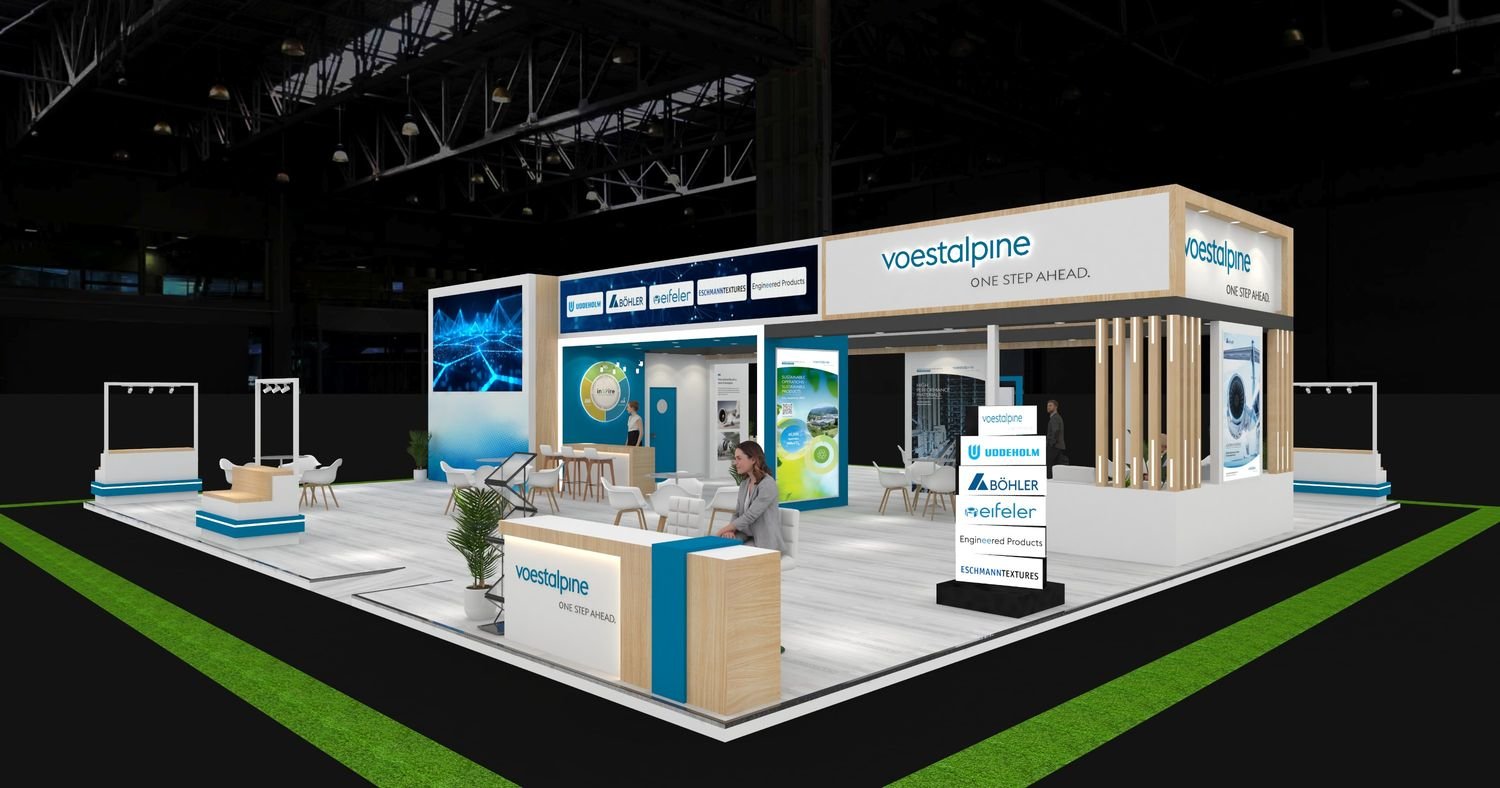
7. Open and Inviting Booth Layouts
An open booth design removes barriers and encourages visitors to walk in freely. Accessibility plays a crucial role in increasing engagement.
Best practices include:
- Wide, welcoming entrances
- Clear visibility from multiple angles
- Easy access to products and staff
Why it works:
People are more likely to enter a space that feels open and approachable.
Pros:
- Higher footfall
- Better visitor flow
- More natural interactions
Cons:
- Less privacy for meetings
- Requires smart zoning for functionality
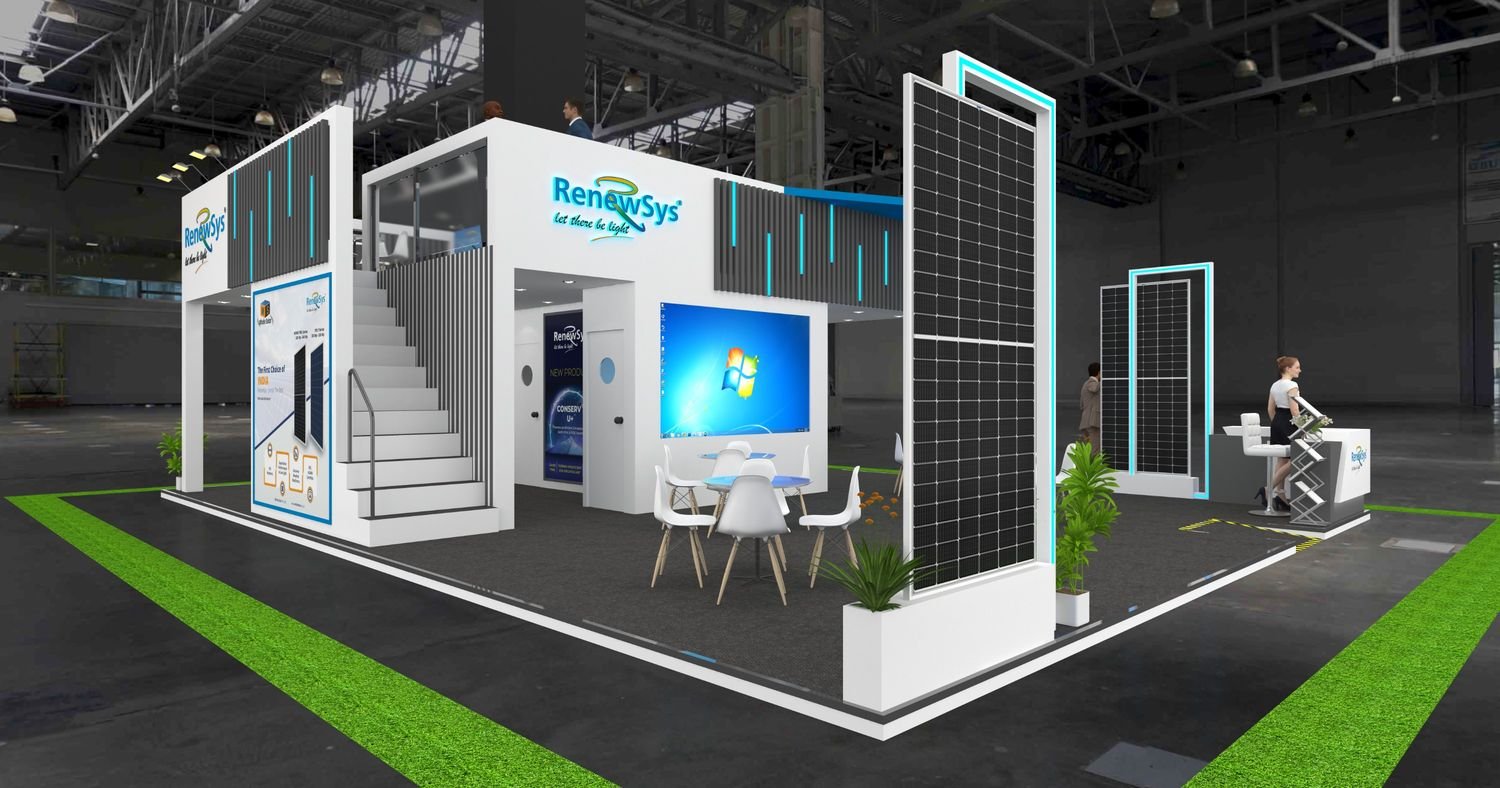
8. Multi-Level and Double-Decker Stands
For brands aiming for a premium and dominant presence, multi-level exhibition stands offer a strong visual advantage by utilizing vertical space.
Advantages include:
- Better visibility across the exhibition hall
- Additional space for meetings and demos
- Strong brand positioning
Why it works:
Height creates dominance and attracts attention from a distance.
Pros:
- High-impact presence
- Efficient use of space
- Ideal for large-scale exhibitions
Cons:
- High cost
- Requires venue approval and structural compliance
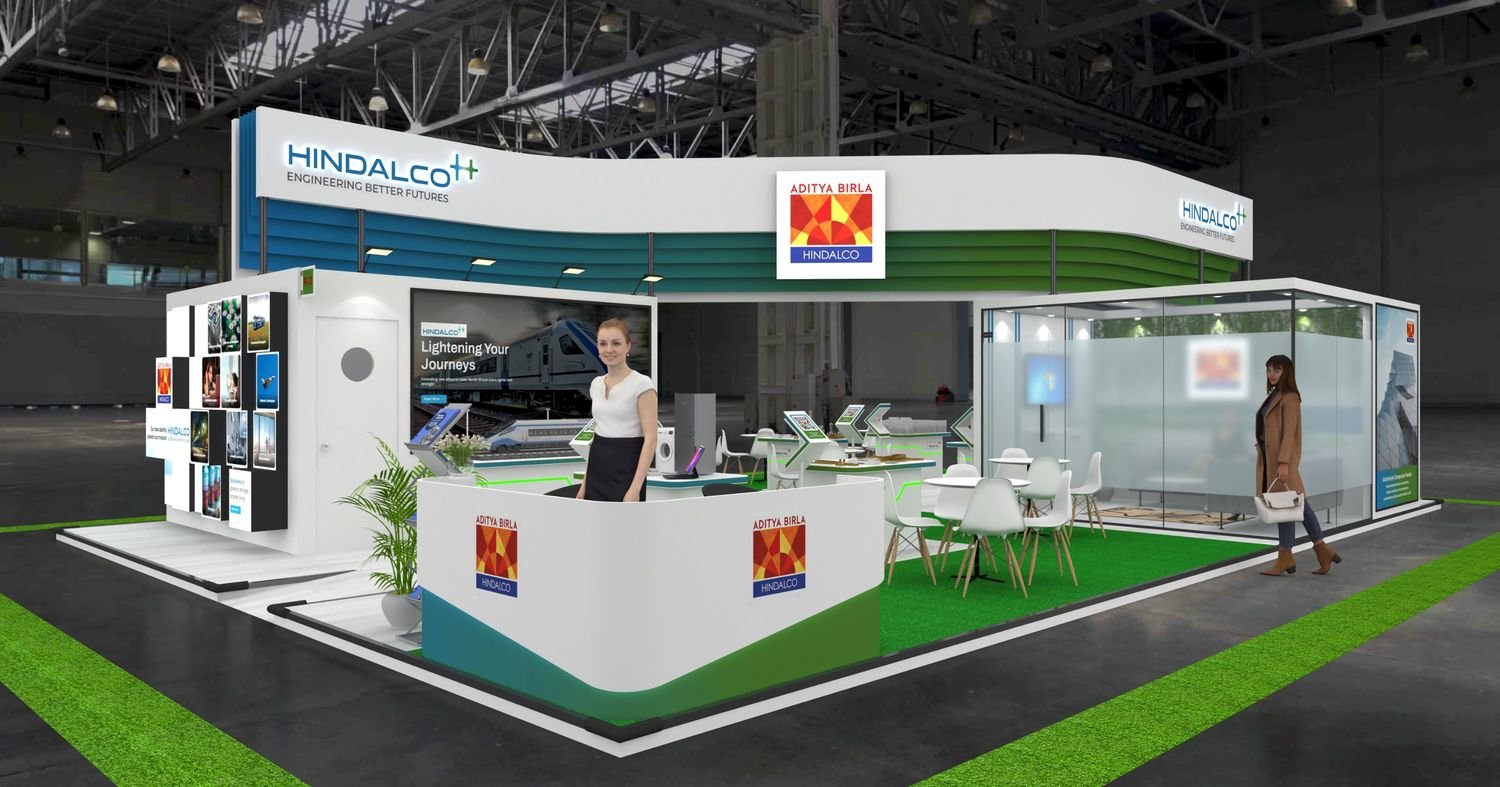
9. Story-Driven Design Approach
Modern exhibition stand design is shifting from product display to storytelling. Instead of showcasing isolated elements, brands are creating narratives that guide visitors through a journey.
This includes:
- A clear theme or concept
- Visual storytelling through graphics and layout
- Defined visitor journey from entry to exit
Why it works:
Stories create emotional connections, making your brand more memorable.
Pros:
- Strong engagement and recall
- Clear communication of brand values
- Better visitor experience
Cons:
- Requires strong planning and creativity
- Poor storytelling can confuse visitors
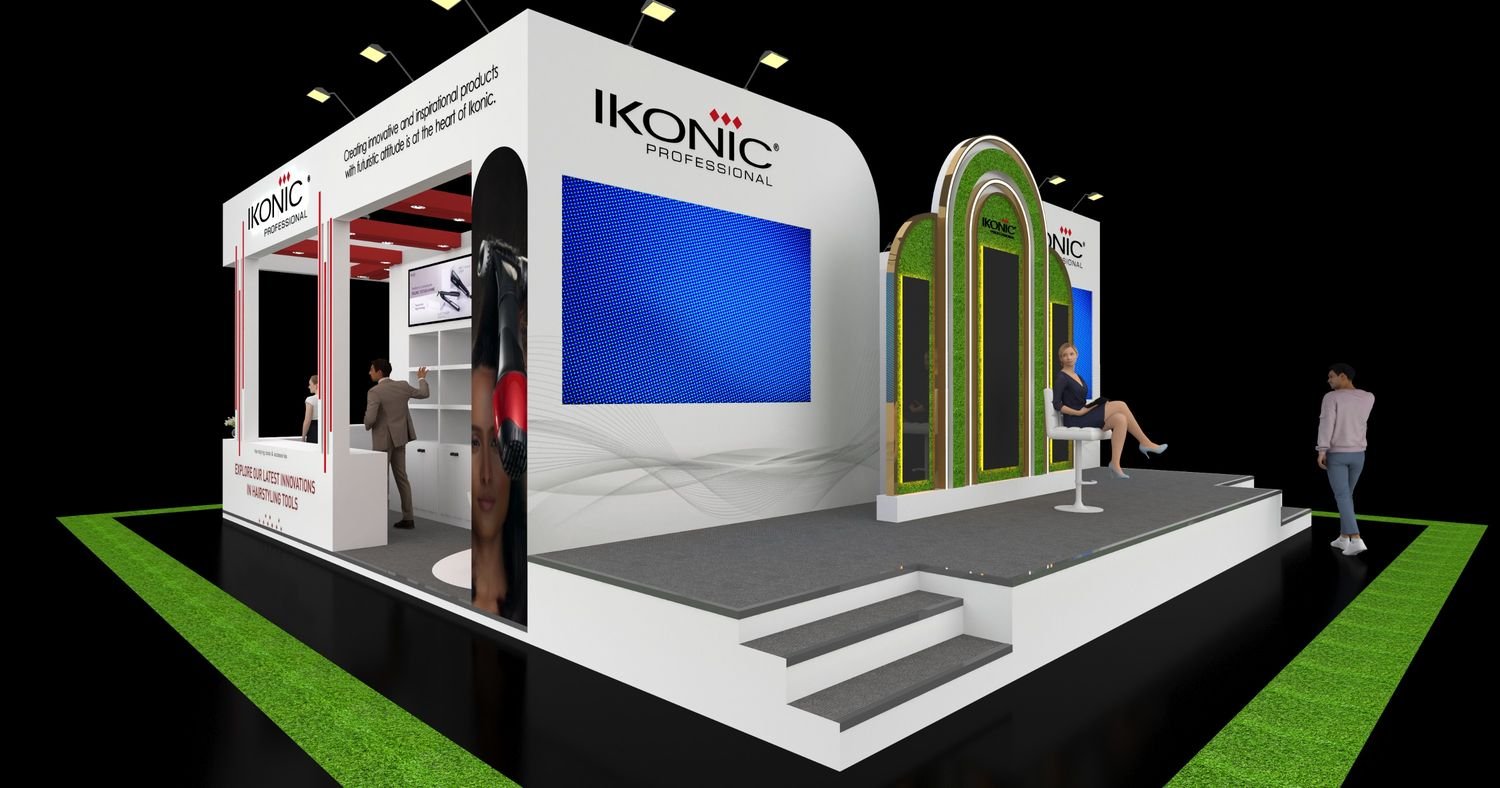
10. Hybrid Engagement Booths (Physical + Virtual Integration)
With the rise of hybrid events, exhibition stand design is evolving to seamlessly connect both on-ground and virtual audiences.
This approach can include:
- Live streaming product demos
- Virtual booth tours for remote visitors
- QR-based digital interactions and downloads
Why it works:
- Extends reach beyond the physical event
- Engages a wider audience in real time
Pros:
- Increased audience reach
- Better data collection and analytics
- Future-ready brand positioning
Cons:
- Requires strong internet and tech setup
- Needs coordination between physical and digital teams
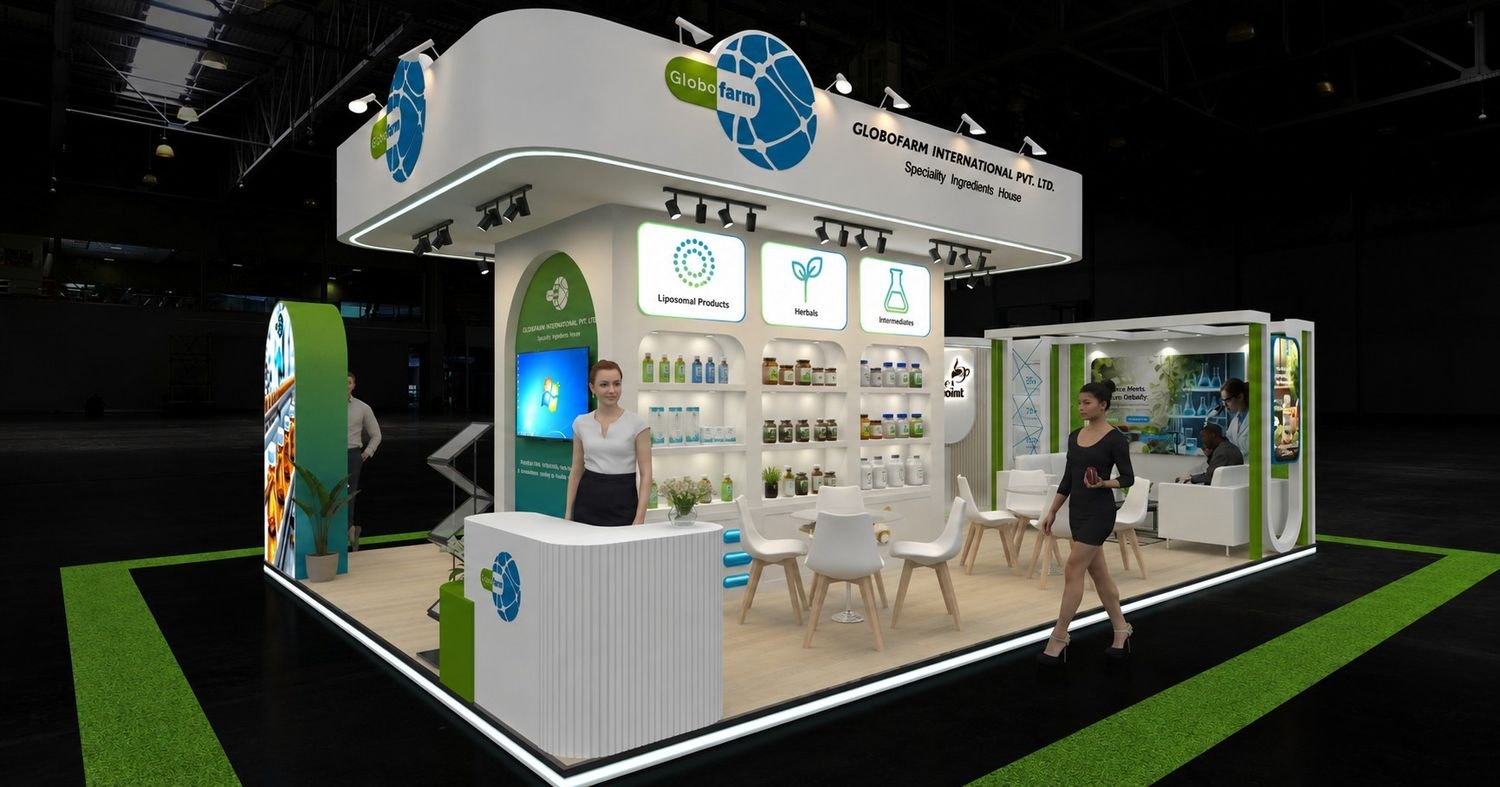
11. Product-Centric Showcase Zones
Instead of overcrowding the booth, brands are now creating focused zones dedicated to key products or services.
This approach can include:
- Dedicated demo areas
- Highlight sections for flagship products
- Interactive product testing spaces
Why it works:
- Helps visitors clearly understand core offerings without distractions
Pros:
- Improved product visibility
- Clear communication of value
- Better visitor understanding
Cons:
- Limited space for multiple products
- Requires careful layout planning
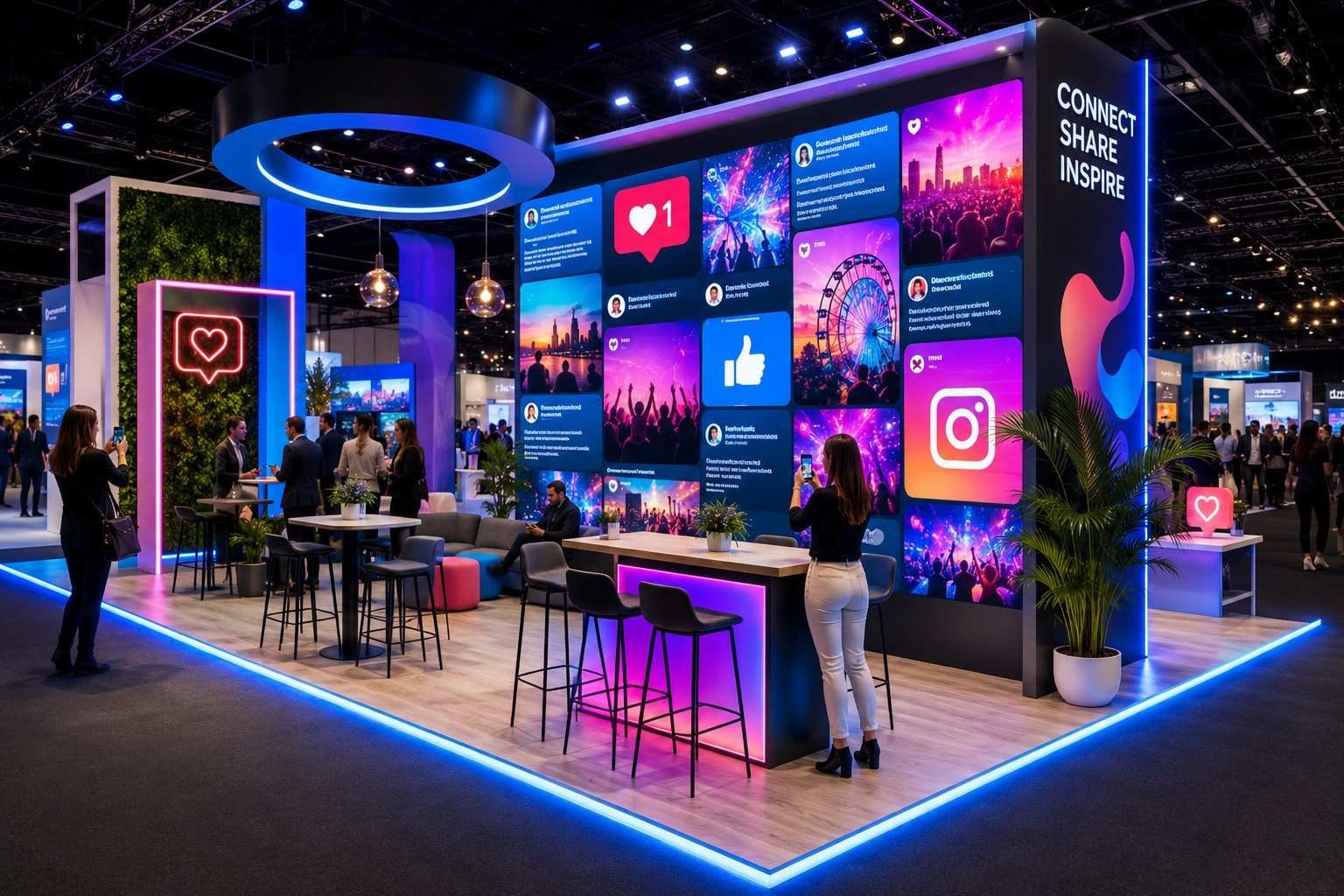
12. Social Media-Optimized Booth Designs
Exhibition stands are increasingly designed to be “Instagrammable” and shareable, amplifying brand visibility online.
This approach can include:
- Photo-friendly installations or backdrops
- Branded hashtags and social walls
- Interactive selfie zones
Why it works:
- Visitors become brand promoters through social sharing
Pros:
- Increased organic reach
- User-generated content
- Enhanced brand visibility beyond the event
Cons:
- Requires creative execution
- Impact depends on audience participation
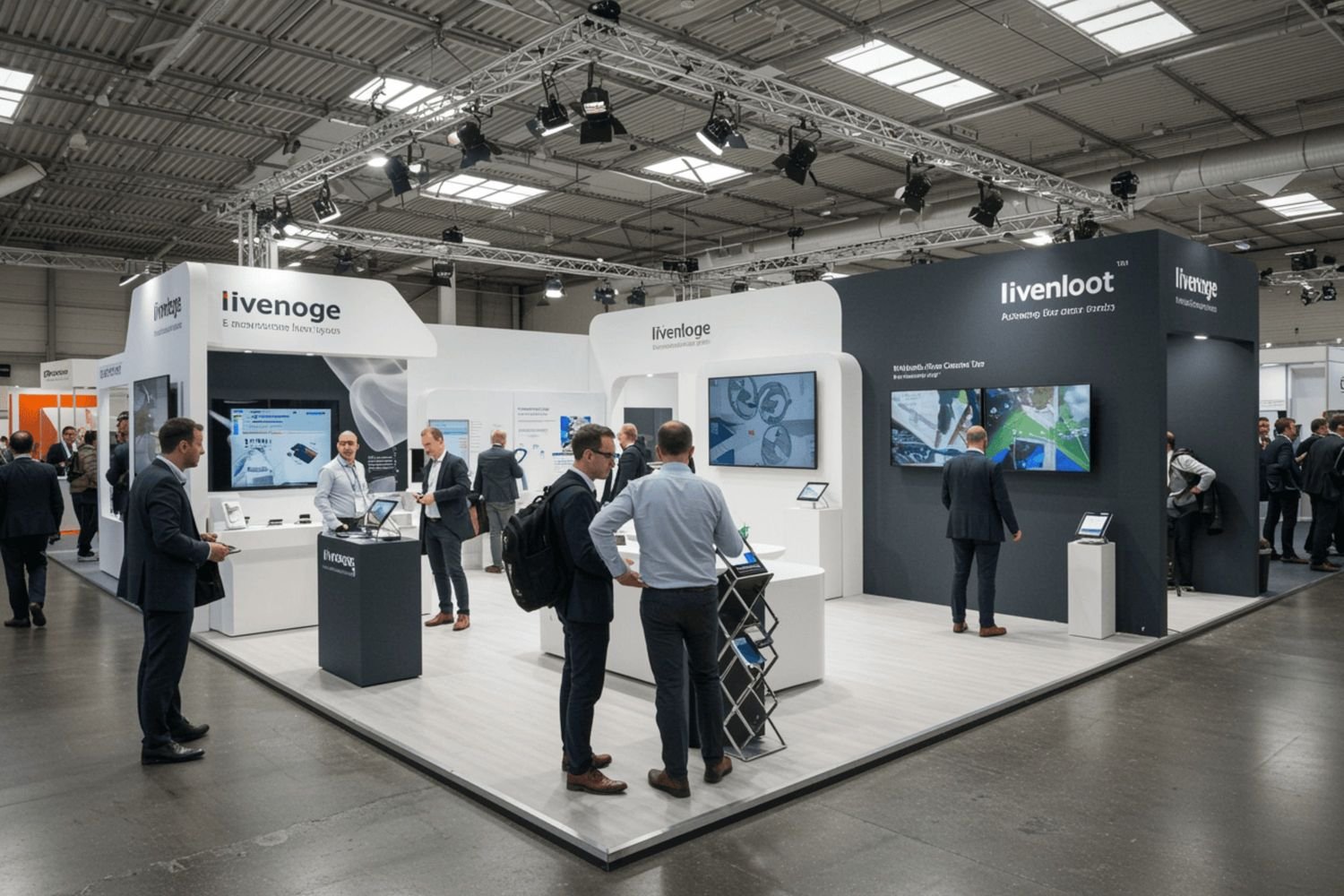
13. Smart Data Capture and Lead Generation Setups
Modern booths are integrating smart systems to capture visitor data efficiently and improve follow-ups.
This approach can include:
- Lead capture apps or tablets
- Badge scanning systems
- Gamified data collection methods
Why it works:
- Streamlines the sales process and ensures no lead is missed
Pros:
- Efficient lead management
- Accurate data collection
- Improved ROI tracking
Cons:
- Requires data privacy compliance
- Tech dependency
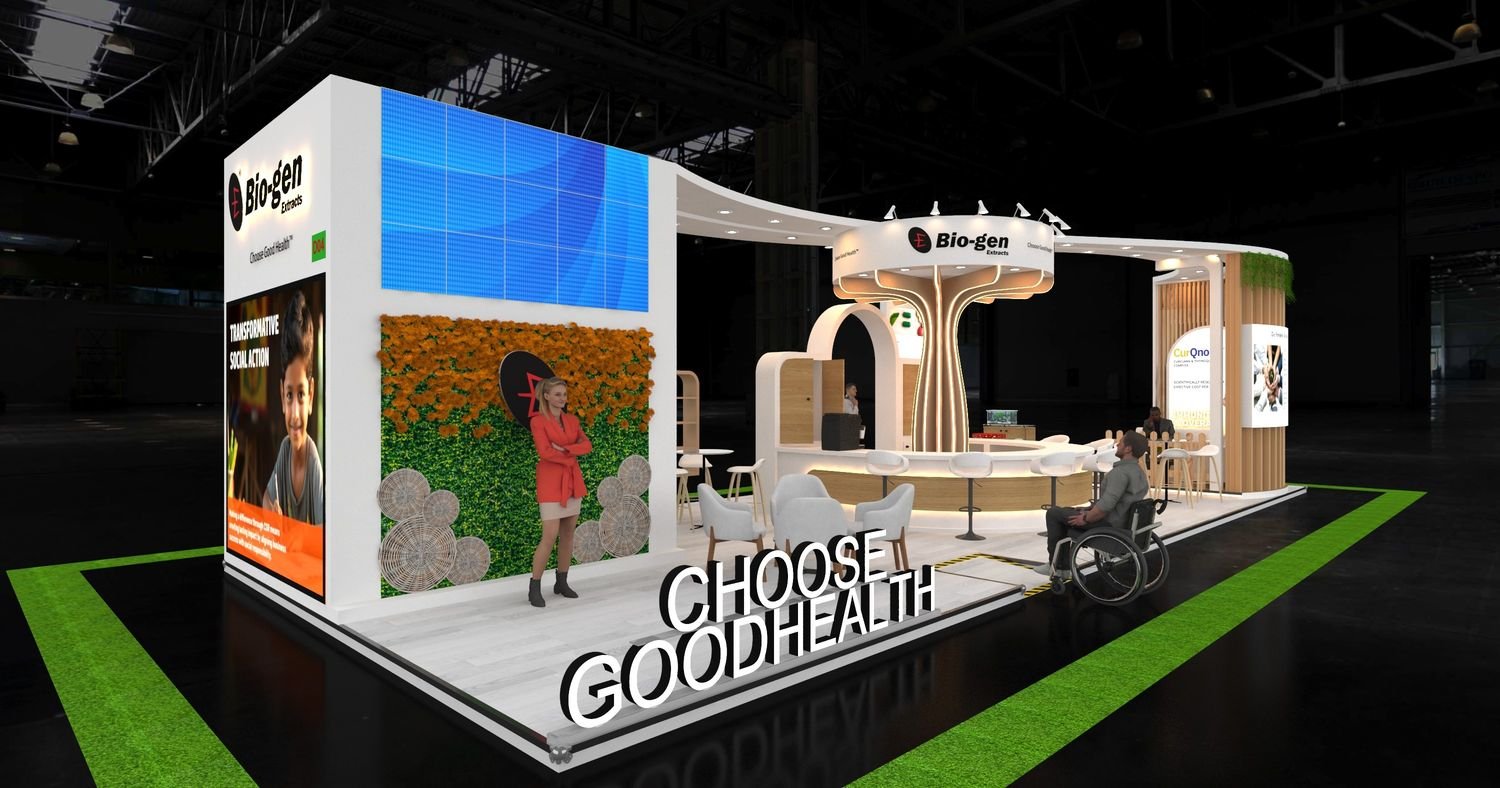
14. Hospitality-Focused Booth Experiences
Creating a comfortable and welcoming environment can significantly improve visitor engagement and retention.
This approach can include:
- Lounge seating areas
- Refreshment zones
- Private meeting rooms
Why it works:
- Encourages visitors to stay longer and engage more
Pros:
- Longer visitor interactions
- Better relationship building
- Premium brand perception
Cons:
- Requires more space
- Higher setup cost
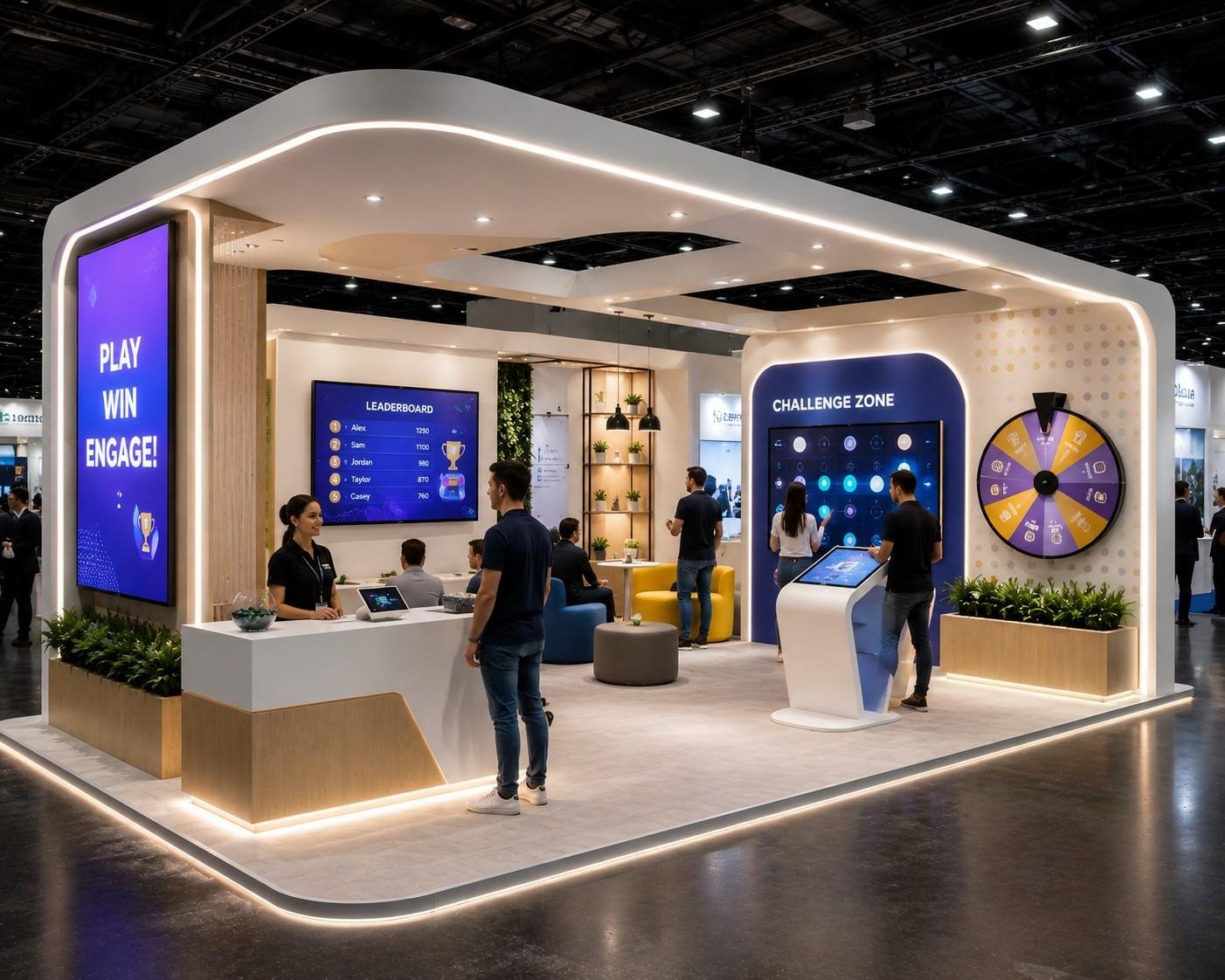
15. Gamification and Engagement Activities
Adding game-like elements to your exhibition stand design can attract crowds and increase participation.
This approach can include:
- Spin-the-wheel contests
- Interactive quizzes or challenges
- Reward-based engagement activities
Why it works:
- Creates excitement and encourages active participation
Pros:
- High engagement levels
- Fun and memorable experience
- Easy lead generation
Cons:
- May distract from core messaging
- Needs proper crowd management
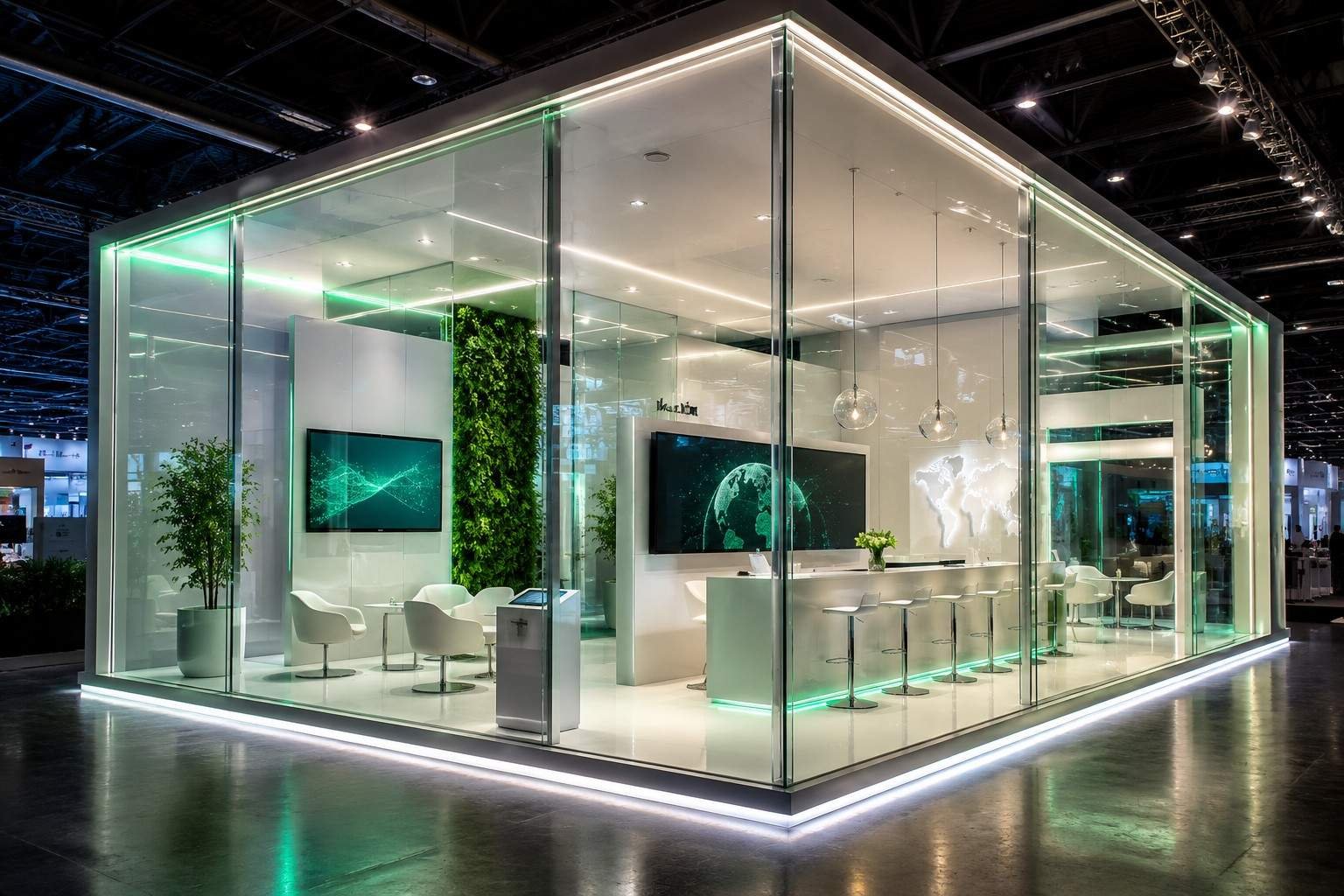
16. Transparent and Glass-Based Booth Designs
Using transparent materials like glass or acrylic can create a modern and open aesthetic.
This approach can include:
- Glass partitions
- Acrylic display units
- Open visibility layouts
Why it works:
- Builds trust and makes the booth more inviting
Pros:
- Sleek and modern design
- Enhanced visibility
- Premium feel
Cons:
- Requires maintenance and cleaning
- Higher material cost
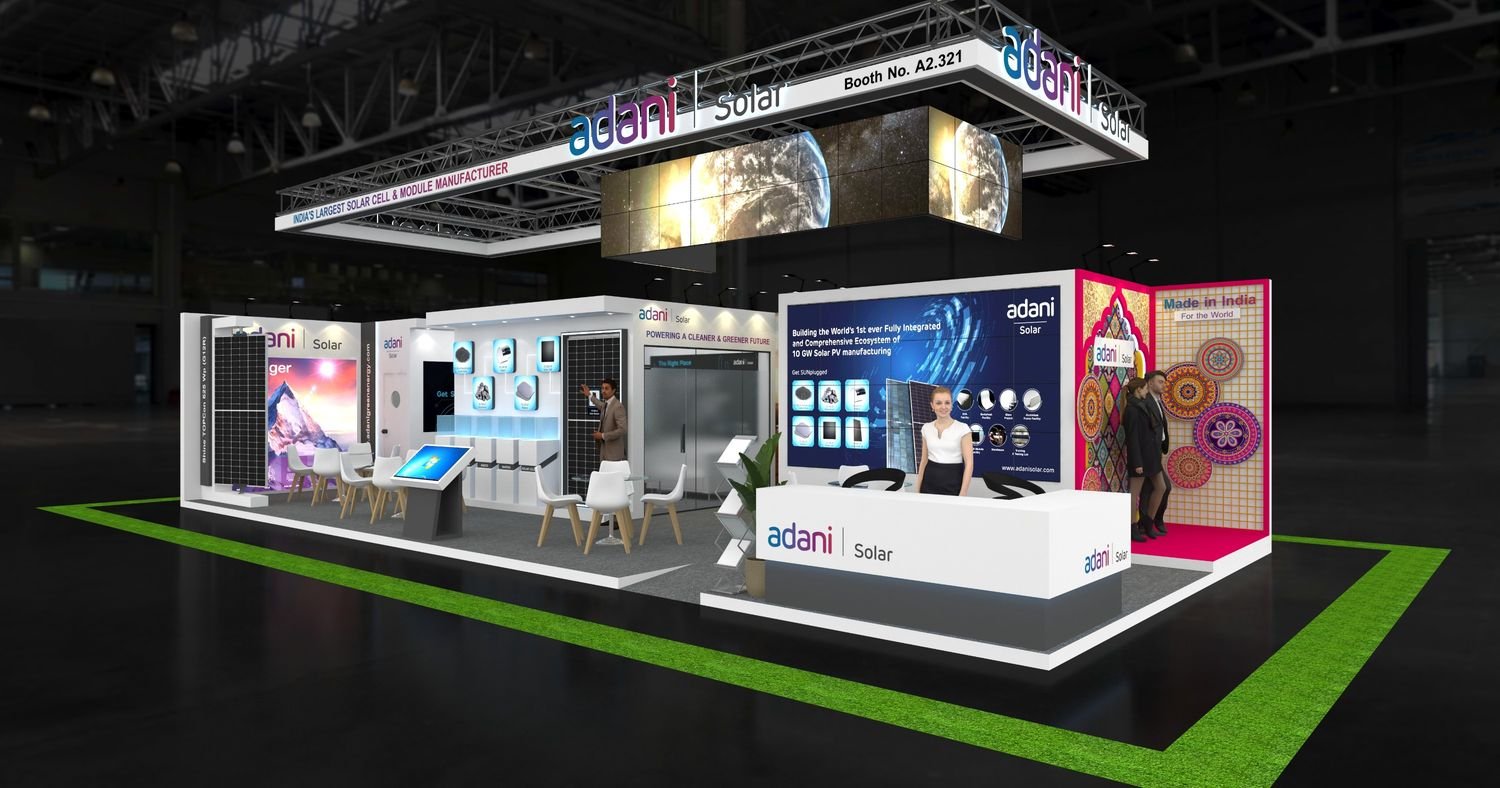
17. Local Culture-Inspired Booth Concepts
Incorporating local culture or regional elements into your booth design can create a unique and relatable experience.
This approach can include:
- Cultural themes and décor
- Region-specific design elements
- Localized storytelling
Why it works:
- Helps brands connect emotionally with the audience
Pros:
- Unique brand identity
- Stronger emotional connection
- Memorable visitor experience
Cons:
- Needs cultural sensitivity
- May not suit global branding strategies
18. Flexible Meeting and Networking Zones
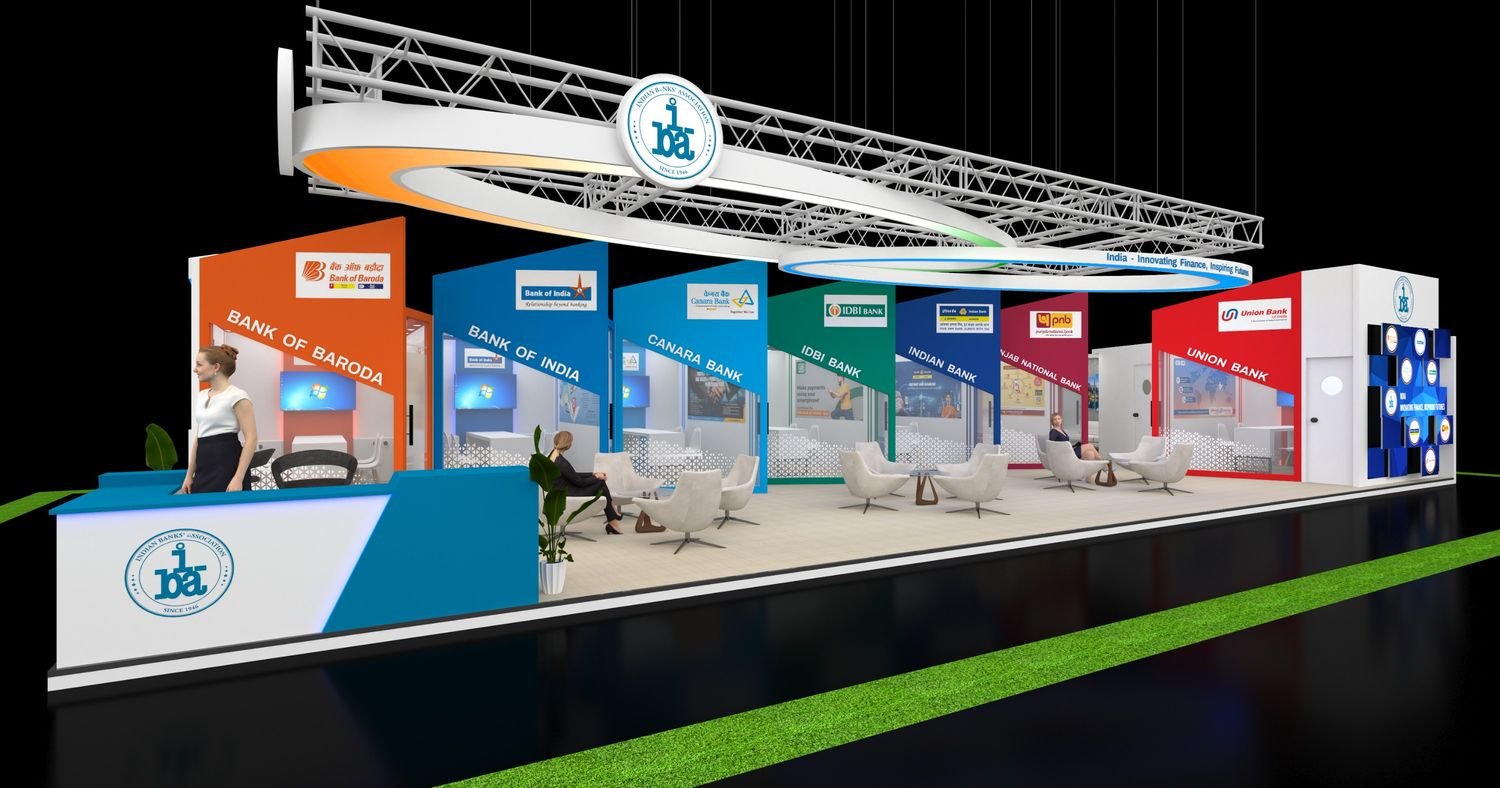
Modern exhibition stands are prioritising business interactions by creating dedicated networking spaces.
This approach can include:
- Semi-private meeting pods
- Quick discussion counters
- Scheduled meeting areas
Why it works:
- Supports meaningful business conversations in busy environments
Pros:
- Improved lead conversion
- Better client interaction
- Professional setup
Cons:
- Takes up usable display space
- Requires proper space planning
19. AI-Powered Personalisation Booths
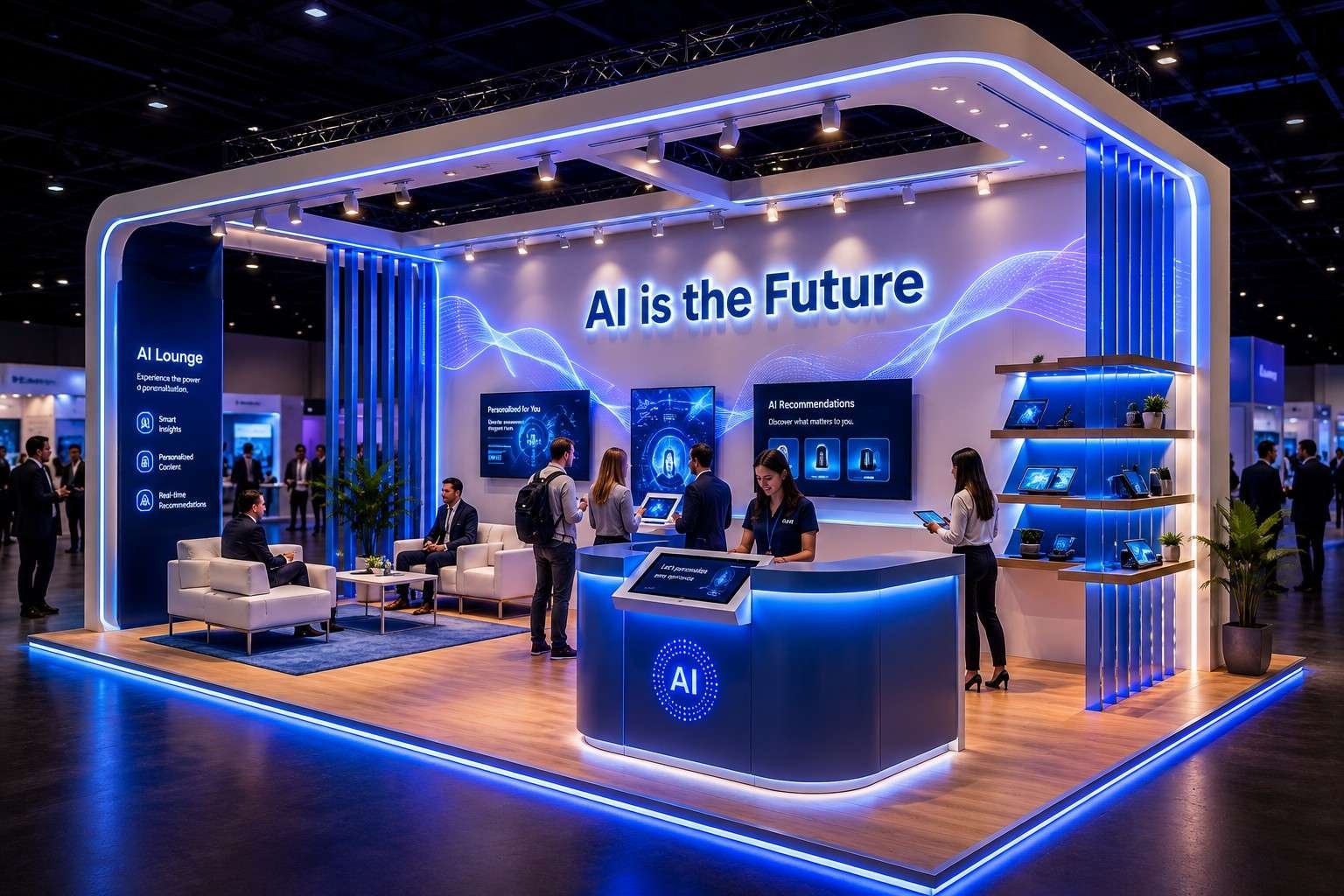
As artificial intelligence continues to shape the exhibition industry, booths are becoming smarter, more adaptive, and highly personalized based on real-time visitor data.
This approach can include:
- Smart recommendation engines that adapt content based on visitor interactions
- Voice-enabled AI assistants guiding visitors through the booth
- Real-time data capture with instant content customization
- Predictive engagement tools that suggest products/services dynamically
Why it works:
- It creates a one-to-one experience at scale, making every visitor feel uniquely engaged
Pros:
- Deeply personalized visitor journeys
- Higher conversion and lead qualification rates
- Real-time insights into visitor preferences and behavior
Cons:
- Complex system integration and maintenance
- Data security and compliance challenges
- Requires skilled technical support on-site
20. Multi-Sensory Booth Experiences
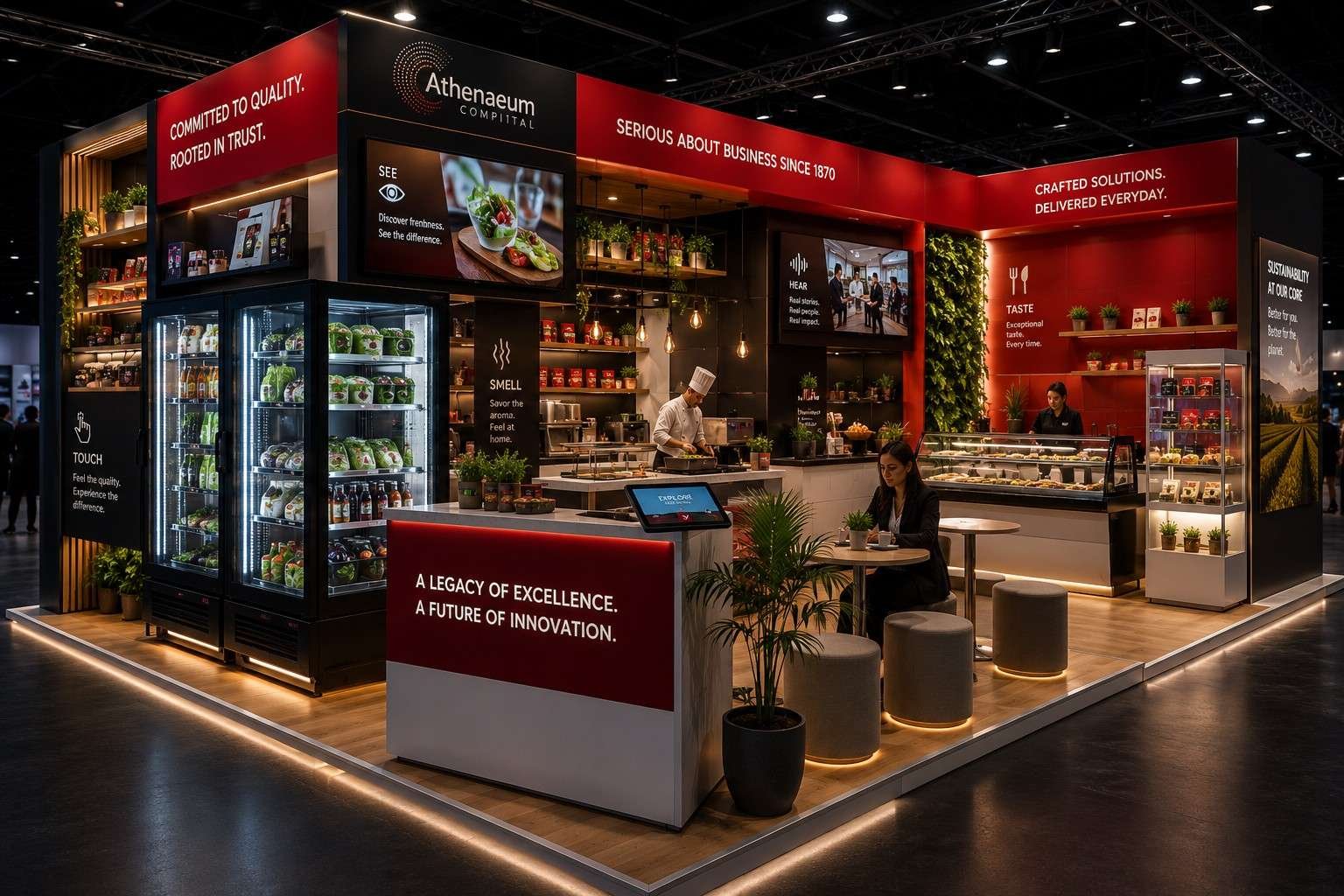
Exhibition booth design is evolving to engage visitors beyond visuals by activating multiple senses for a more immersive and memorable experience.
This approach can include:
- Directional audio zones for focused storytelling
- Interactive textures and material-based engagement areas
- Controlled scent diffusion aligned with brand identity
- Temperature or airflow effects to simulate environments
Why it works:
- Multi-sensory engagement strengthens emotional impact and boosts recall
Pros:
- Creates a powerful and lasting brand impression
- Enhances visitor dwell time and interaction depth
- Helps brands stand out in crowded exhibition spaces
Cons:
- Requires precise balance to avoid sensory overload
- Higher production and setup costs
- Needs careful planning to align all sensory elements cohesively
How to Attract Visitors to Your Exhibition Booth
An effective exhibition booth attracts visitors by combining strong visual appeal, clear messaging, and interactive experiences that instantly communicate value. The goal is to capture attention within seconds and give people a compelling reason to stop, engage, and remember your brand. At most trade shows, foot traffic is high but attention is limited, which means your exhibition stand design must work proactively to pull people in rather than wait for them to approach.
Create a Strong First Impression
Visitors decide within a few seconds whether to stop at your exhibition booth, so your first impression must be powerful and clear. A bold headline that communicates your core offering, high-quality visuals visible from a distance, and a clean, professional design all play a crucial role. Avoid overcrowding your stand with excessive information, as a simple and impactful message performs far better than a cluttered one.
Use Strategic Lighting to Draw Attention
Lighting is one of the most underrated tools in exhibition booth design, yet it can dramatically increase visibility and highlight key areas of your exhibition stand. Using spotlights to focus on products, backlit panels for brand graphics, and warm lighting to create a welcoming atmosphere can make a significant difference. A well-lit exhibition booth naturally stands out in a crowded exhibition hall and draws more visitors.
Offer Interactive Experiences
People are more likely to engage with an exhibition booth that offers something beyond static displays. Interactive experiences create curiosity and keep visitors interested for longer periods. Incorporating live product demonstrations, touchscreens or digital presentations, and even quick games or contests can significantly enhance engagement. The more involved a visitor feels, the higher the chances of conversion.
Use Clear and Compelling Calls-to-Action
Once visitors notice your exhibition booth, it is important to guide them toward a specific action. Without clear direction, engagement can quickly drop. Strong calls-to-action such as “Book a Free Demo,” “Get a Free Consultation,” or “See Our Product in Action” help direct visitor behavior. These messages should be placed prominently so they are easy to see and understand.
Train Your Booth Staff for Engagement
Even the best exhibition stand design can fail without effective human interaction. Your exhibition booth staff plays a critical role in converting visitors into leads. They should approach visitors proactively yet politely, communicate clearly and confidently, and focus on understanding visitor needs. A friendly and knowledgeable team makes your exhibition booth more approachable and increases the likelihood of meaningful conversations.
Leverage Giveaways and Incentives
Attractive giveaways can significantly increase footfall when used strategically. However, they must be relevant to your brand to attract the right audience. Offering useful branded merchandise, industry-related samples, or entry into a prize draw can encourage visitors to stop and engage. This not only boosts traffic but also creates a memorable interaction.
Design an Open and Accessible Layout
Your exhibition booth should feel welcoming rather than intimidating. An open layout encourages visitors to walk in without hesitation. Removing physical barriers at the entrance, creating clear pathways inside the booth, and ensuring easy access to displays and staff can greatly improve visitor experience. An accessible design increases both footfall and engagement time.
Use Motion and Visual Dynamics
Static booths often get overlooked, while movement naturally attracts attention. Incorporating LED screens with dynamic content, rotating product displays, or subtle animations can make your booth more visually engaging. Motion helps capture attention from a distance and differentiates your stand from others.
Promote Your Presence Before the Event
Attracting visitors does not start at the exhibition booth; it begins beforehand. Pre-event marketing ensures that people are already aware of your presence and actively look for your exhibition booth. Sending email invitations to clients and prospects, making announcements on social media, and sharing your booth number and highlights can significantly increase targeted foot traffic.
Types of Exhibition Stand Designs
Choosing the right type of exhibition stand design is essential for achieving your business goals at a trade show. Different stand types serve different purposes, budgets, and brand strategies. Understanding these options helps you select a design that not only looks good but also performs effectively.
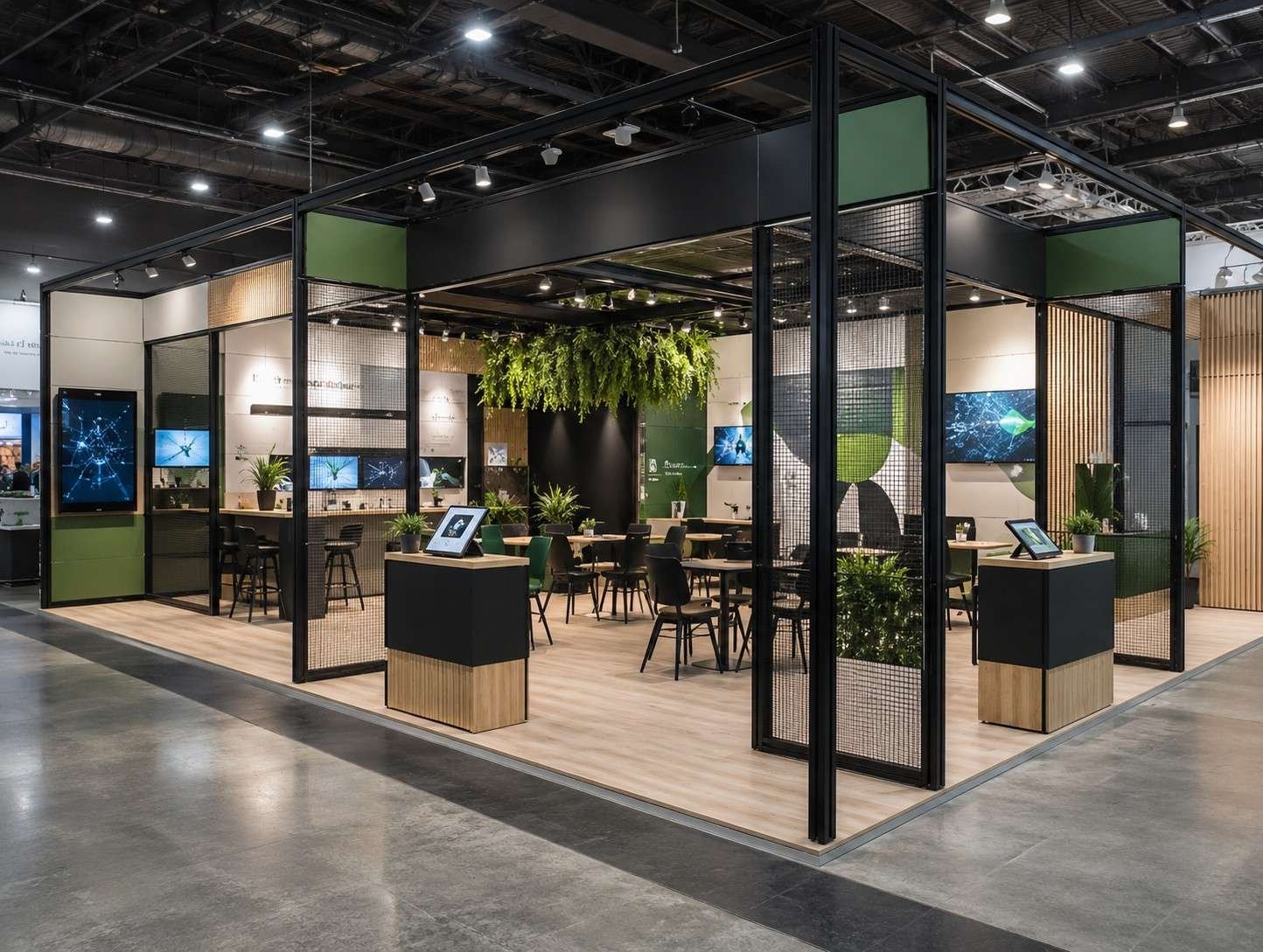
1. Custom Exhibition Stand Designs
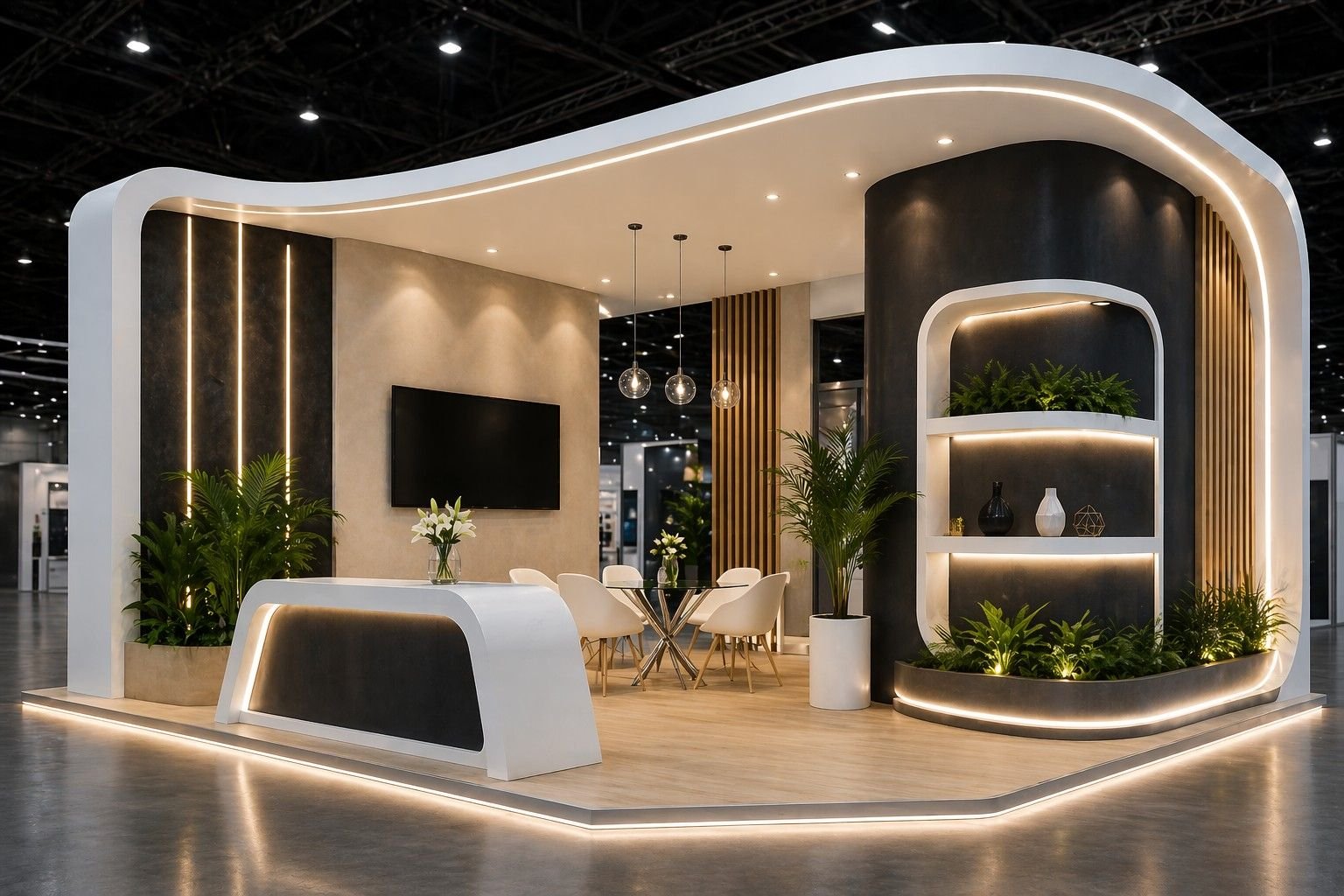
Custom stands are fully tailored to your brand, objectives, and exhibition space. Every element from layout to materials is designed from scratch.
Key advantages:
- Strong brand differentiation
- Unique and highly impactful presence
- Flexible design aligned with specific goals
Best for:
- Large brands
- Product launches
- Companies looking for maximum visibility
While custom exhibition booth design offers high impact, it typically requires a larger investment and longer planning time.
2. Modular Exhibition Stand Designs
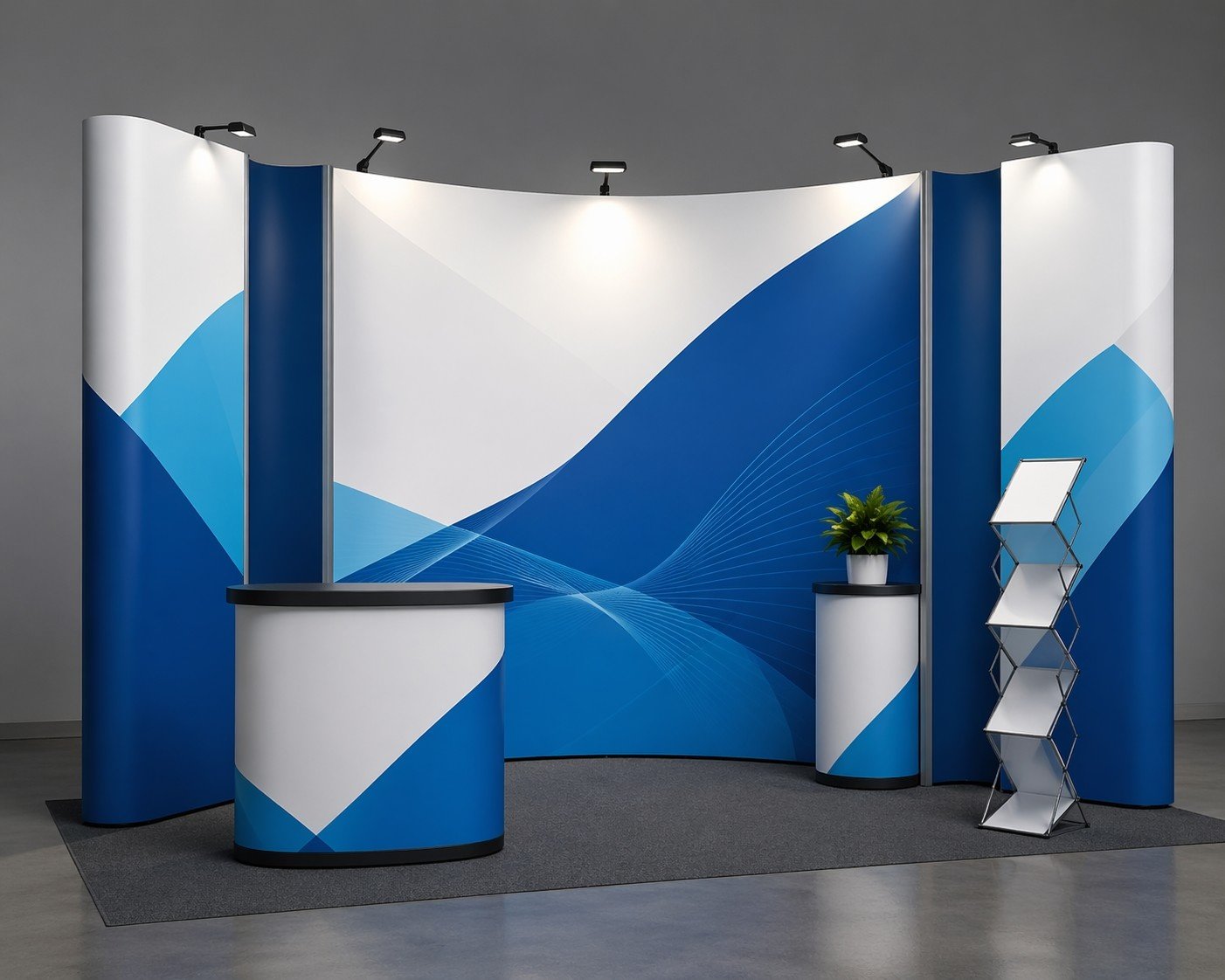
Modular stands are built using pre-designed components that can be assembled and reconfigured in different ways.
Key advantages:
- Flexible for different booth sizes
- Cost-effective over multiple events
- Easy to transport and install
Best for:
- Businesses participating in multiple exhibitions
- Companies needing adaptable solutions across cities in India
Modular exhibition stand design strikes a balance between customization and budget efficiency.
3. Portable Exhibition Stands
Portable stands are lightweight, compact, and designed for quick setup and dismantling. These are ideal for smaller events or businesses with limited resources.
Key advantages:
- Affordable and reusable
- Easy to carry and set up
- Minimal logistics required
Best for:
- Startups and small businesses
- Local exhibitions and smaller trade shows
Although they offer less visual impact than custom stands, they are highly practical and efficient.
4. Double-Decker Exhibition Stands
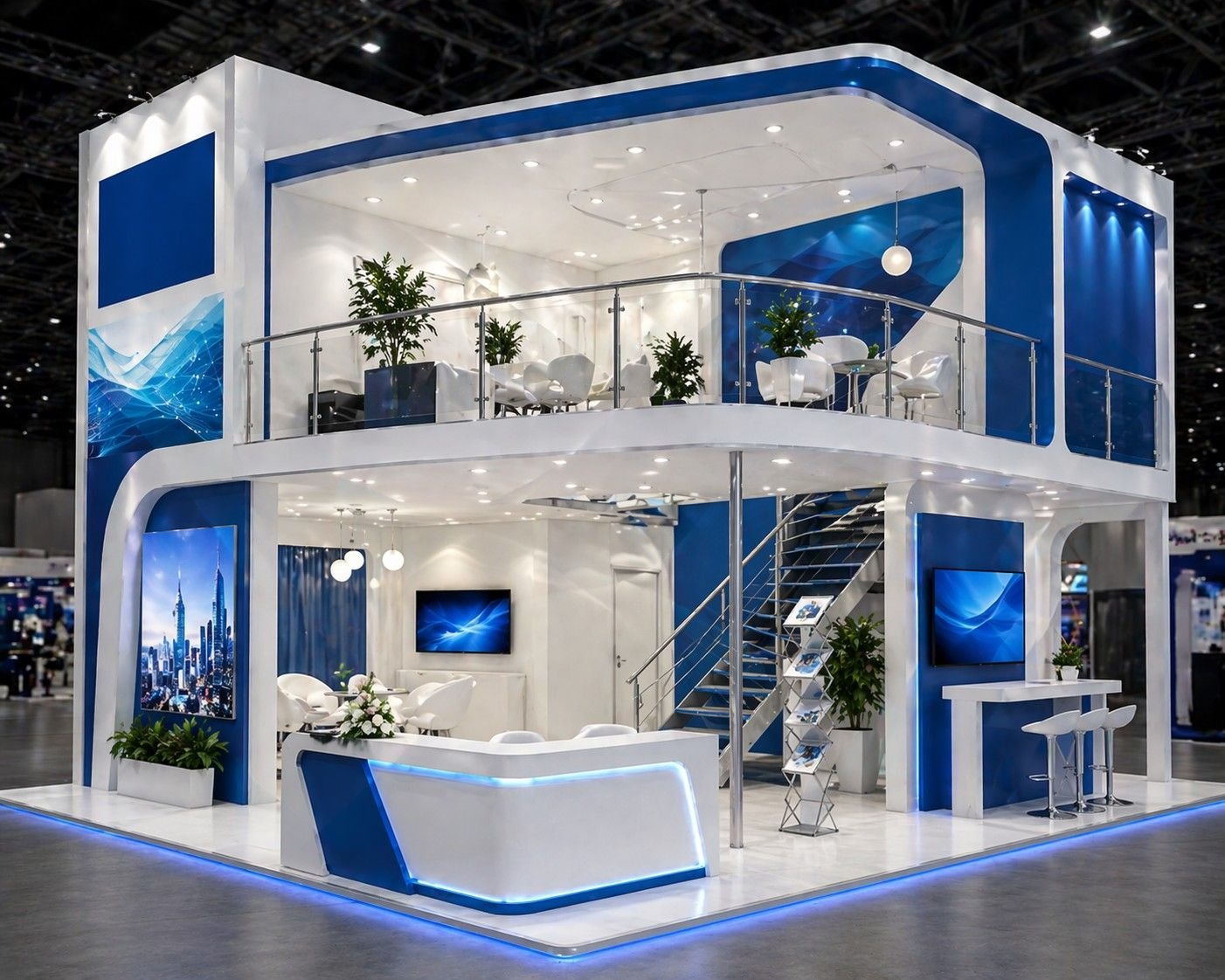
Double-decker stands use vertical space by adding an upper level, creating a premium and visually dominant presence.
Key advantages:
- Strong brand positioning
- Increased space for meetings and demonstrations
- High visibility across the exhibition hall
Best for:
- Large-scale exhibitions
- Brands aiming for a premium image
These stands require higher investment and venue approval but deliver a strong impact.
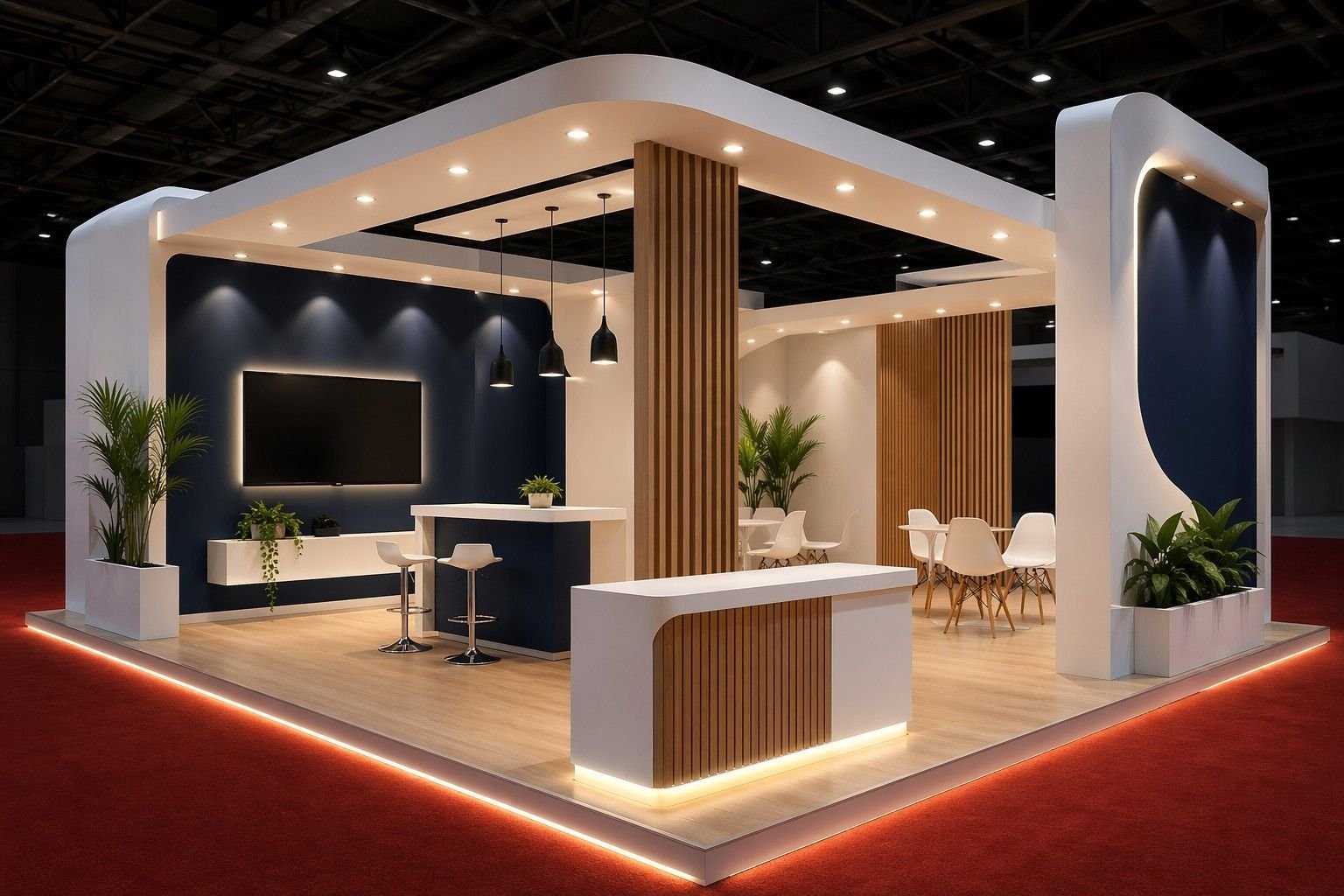
5. Island Exhibition Stands
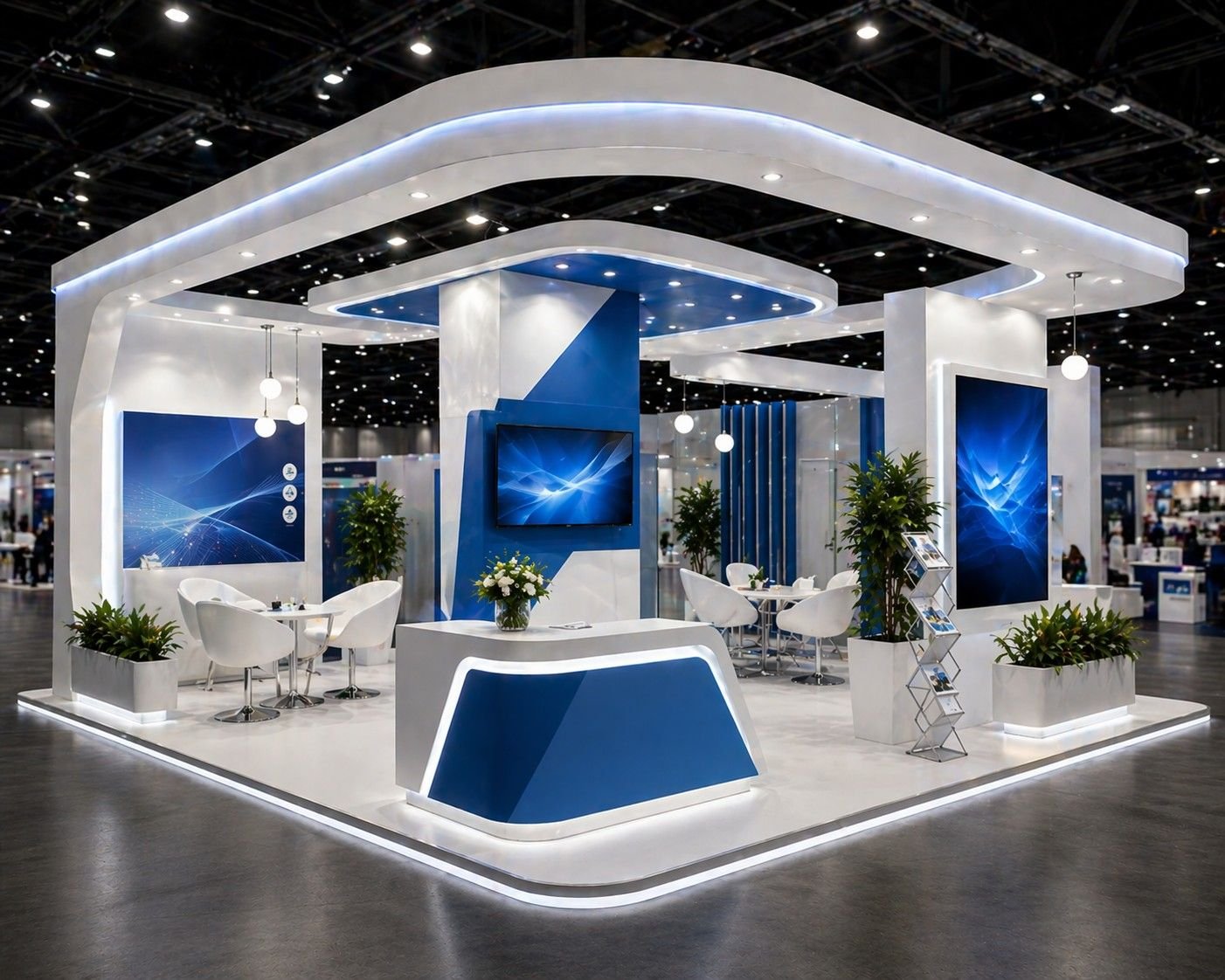
Island stands are open on all four sides and are typically placed in the centre of the exhibition floor.
Key advantages:
- Maximum visibility and accessibility
- High foot traffic from all directions
- Creative freedom in design
Best for:
- Established brands
- Businesses focusing on high engagement
Island exhibition stand design allows for more creativity and interaction compared to corner or inline booths.
6. Peninsula Exhibition Stands
Peninsula stands are open on three sides and connected to another booth at the back.
Key advantages:
- Good visibility from multiple directions
- More design flexibility than inline stands
- Balanced cost and impact
Best for:
- Medium to large businesses
- Exhibitors wanting strong visibility without the cost of an island stand
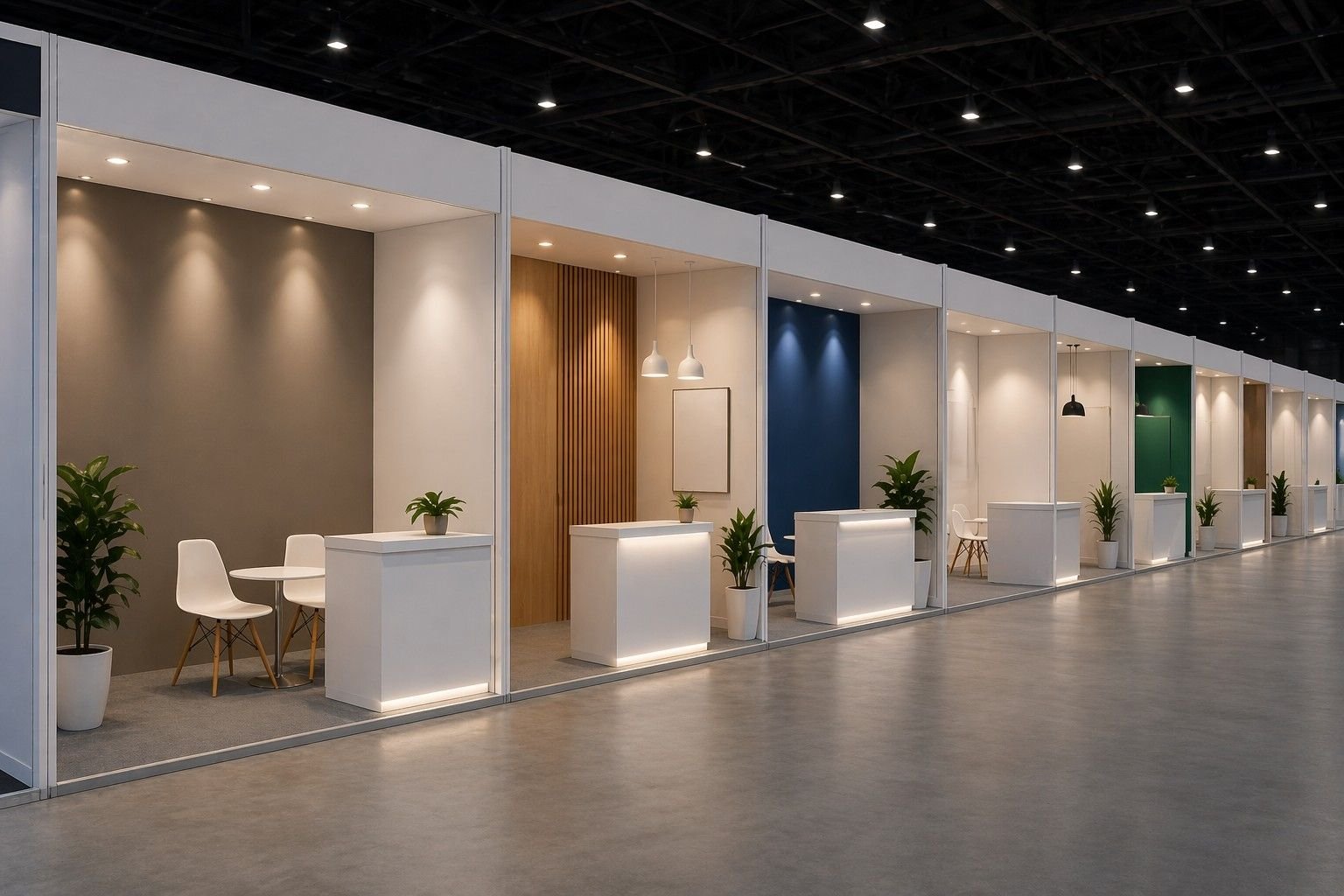
7. Inline (Row) Exhibition Stands
Inline stands are the most common type, positioned in a row with neighboring booths on either side.
Key advantages:
- Budget-friendly
- Easy to design and execute
- Suitable for standard exhibition spaces
Best for:
- Small to medium businesses
- First-time exhibitors
While they have limited visibility compared to open stands, smart exhibition booth design can still make them highly effective.
Tips to Maximize ROI from Exhibition Booths
Maximizing ROI from your exhibition booth starts with aligning your exhibition stand design with clear business goals and measurable outcomes. A visually appealing exhibition booth alone is not enough; every element should contribute to generating leads, building relationships, and driving conversions. A successful exhibition is not judged by how many people visit your stand, but by how many meaningful business opportunities you create.
1. Define Clear Objectives Before the Event
To achieve strong returns, you need a clear purpose behind your participation.
Common objectives include:
- Lead generation
- Product launches
- Brand awareness
- Client meetings
Once your goal is defined, your exhibition booth design should support that objective. For example, a lead-focused exhibition booth should include easy ways to capture visitor information.
2. Focus on High-Quality Lead Generation
Not all visitors are potential customers. The goal is to attract the right audience and convert them into qualified leads.
Effective strategies:
- Use forms or digital tools to capture contact details
- Ask the right questions to filter serious prospects
- Offer value-driven incentives (demos, consultations)
Quality leads deliver better ROI than high but irrelevant footfall.
3. Design for Engagement, Not Just Attraction
Attracting visitors is only the first step. Keeping them engaged is what leads to conversions.
To improve engagement:
- Offer live demonstrations
- Create interactive zones
- Provide hands-on experiences
The longer visitors stay at your booth, the higher the chances of building trust and closing deals.
4. Train Your Team for Conversions
Your booth staff plays a critical role in turning interest into business opportunities.
Ensure your team:
- Understands your products and services thoroughly
- Communicates benefits clearly
- Engages visitors confidently and professionally
A well-trained team can significantly increase conversion rates.
5. Use Technology for Better Tracking
Tracking performance is essential to measure ROI accurately. Technology can help you capture and analyze visitor data efficiently.
Useful tools include:
- Lead capture apps
- QR code scans
- CRM integration
This allows you to track interactions and follow up effectively after the event.
6. Create Strong Calls-to-Action
Every visitor should leave your booth with a clear next step.
Examples:
- Schedule a meeting
- Request a quote
- Sign up for a demo
Clear calls-to-action improve conversion rates and make your exhibition booth efforts more results-driven.
7. Follow Up Quickly After the Event
The real ROI often comes after the exhibition ends. Timely follow-up is crucial to converting leads into customers.
Best practices:
- Reach out within 24 – 48 hours
- Personalize communication based on interaction
- Share relevant information or proposals
A delayed follow-up can result in lost opportunities.
8. Evaluate Performance and Improve
After the event, analyze what worked and what didn’t. This helps you improve future exhibition strategies.
Track metrics such as:
- Number of leads generated
- Conversion rates
- Cost per lead
- Visitor engagement levels
Continuous improvement ensures better ROI in future exhibitions.
How to Choose the Right Exhibition Stand Builder
Choosing the right exhibition stand builder is a critical decision that directly impacts the success of your exhibition. Even the best exhibition stand design ideas can fail if they are not executed properly. A reliable builder ensures your vision is translated into a functional, high-impact exhibition booth that attracts visitors and delivers results. The right partner does more than just build a stand; they contribute to your overall exhibition strategy.
Evaluate Experience and Industry Expertise
Experience plays a major role in handling the complexities of exhibition projects. An exhibition stand builder who has worked across different industries understands what works and what doesn’t. When evaluating experience, look for proven expertise in exhibition stand design and execution, knowledge of different types of trade shows, and the ability to handle projects of varying scales. An experienced stand builder can anticipate challenges and provide practical solutions, ensuring a smoother execution.
Review Portfolio and Past Work
A portfolio gives you a clear idea of the builder’s design capabilities and execution quality. When reviewing past work, focus on the variety in designs such as custom, modular, and large-scale projects. Pay attention to creativity, attention to detail, and how effectively branding is integrated into each stand. A strong portfolio reflects both innovation and consistency, which are essential for delivering impactful results.
Assess Customization Capabilities
Every brand has unique requirements, so your exhibition stand builder must be able to create a design tailored to your specific goals. They should be capable of customizing layouts based on your booth size, adapting designs to match your brand identity, and incorporating modern, interactive elements. Avoid builders who rely only on standard templates, as flexibility is key to creating a distinctive and effective exhibition presence.
Understand Local Market Knowledge
If you are planning exhibition stand design in Mumbai or anywhere in India, local expertise becomes extremely important. An exhibition stand builder familiar with the Indian market can navigate venue regulations smoothly, manage logistics efficiently, and ensure timely delivery without last-minute complications. Local knowledge reduces risks and helps in executing the project seamlessly within the given environment.
Check End-to-End Service Offering
A good exhibition stand builder should provide complete support from concept to execution. This includes design and visualization, fabrication and installation, as well as dismantling and storage after the event. Working with a full-service provider not only saves time but also ensures consistency throughout the entire process, making the experience more efficient and stress-free.
Compare Cost vs Value
While budget is an important factor, choosing the cheapest option can often lead to compromises in quality and overall impact. Instead of focusing solely on cost, evaluate what is included in the pricing, consider the long-term value especially for modular designs, and balance cost with reliability and quality. A slightly higher investment can often deliver significantly better results and a stronger return.
Communication and Project Management
Clear communication is essential for the success of any exhibition project. Miscommunication or delays can directly affect your performance at the event. Choose a stand builder who provides regular updates, understands your requirements clearly, and remains responsive and proactive throughout the process. Strong project management ensures that everything runs smoothly and is completed on schedule.
Look for Client Reviews and Testimonials
Feedback from previous clients can offer valuable insights into the stand builder’s reliability and performance. Look for positive reviews, repeat clients, and testimonials that highlight professionalism, quality, and timely delivery. Consistent positive feedback is a strong indicator that the exhibition stand builder can be trusted to deliver successful outcomes.
Conclusion
A high-performing exhibition stand design is not just about visual appeal it is a strategic combination of creativity, functionality, and business intent. From attracting visitors to converting them into leads, every element of your booth should serve a clear purpose.
The most successful brands approach exhibitions with a complete plan. They focus on:
- Clear messaging that communicates value instantly
- Engaging designs that encourage interaction
- Smart layouts that improve visitor experience
- Strong follow-up strategies to convert leads into business
When you combine these elements with the right exhibition booth design approach, your presence at any trade show becomes significantly more effective. For businesses targeting exhibition stand design in Mumbai and across India, the opportunity is even greater. With the right mix of local understanding, innovative ideas, and strategic execution, you can stand out in highly competitive exhibition environments and create lasting impressions. Ultimately, the goal is not just to participate in an exhibition, but to make it a powerful marketing channel that drives measurable results. By applying the strategies, ideas, and best practices covered in this guide, you can design an exhibition stand that maximizes visibility, engagement, and return on investment. If planned and executed correctly, your exhibition stand becomes more than a display it becomes a growth engine for your brand.
FAQs
1. What is the best exhibition stand design?
The best exhibition stand design is one that combines strong branding, clear messaging, and interactive elements to attract and engage visitors. It should be visually appealing, easy to navigate, and aligned with your business goals such as lead generation or brand awareness. A well-designed stand focuses on both aesthetics and functionality.
2. How do I attract more visitors to my exhibition booth?
To attract more visitors, focus on creating a visually striking exhibition booth with clear messaging and interactive experiences. Use strategic lighting, bold graphics, and open layouts to draw attention. Engaging elements like live demos, digital displays, and giveaways can further increase footfall and encourage visitors to spend more time at your stand.
3. What are the latest trends in exhibition stand design?
The latest trends in exhibition stand design include immersive experiences, interactive digital integration, modular setups, and sustainable materials. Brands are also focusing on minimalist layouts and storytelling approaches to create memorable visitor experiences while maintaining functionality and cost efficiency.
4. How much does exhibition stand design cost in India?
The cost of exhibition stand design in India varies depending on factors like size, design complexity, materials, and customization. Basic portable stands are more affordable, while custom or double-decker stands require higher investment. Choosing modular designs can help reduce costs over multiple exhibitions while maintaining flexibility.
5. What is the difference between modular and custom exhibition stands?
Modular exhibition stands are built using reusable components that can be reconfigured for different events, making them cost-effective and flexible. Custom exhibition stands, on the other hand, are fully designed from scratch to match specific branding and objectives, offering a unique and high-impact presence but at a higher cost.
6. Why is exhibition stand design important for business growth?
Exhibition stand design plays a crucial role in attracting visitors, creating brand awareness, and generating leads. A well-designed exhibition booth helps businesses stand out in competitive environments, engage their target audience effectively, and convert interactions into potential customers, ultimately contributing to business growth.
7. How do I choose the right exhibition stand builder in India?
To choose the right exhibition stand builder in India, look for experience, a strong portfolio, and the ability to offer customized solutions. Ensure they understand local exhibition requirements, provide end-to-end services, and have positive client feedback. A reliable builder ensures smooth execution and better results from your exhibition participation.