
Engineering Conference Experiences: Making Technical Presentations More Engaging for Industry Audiences

Engineering Conference Experiences: Making Technical Presentations More Engaging for Industry Audiences

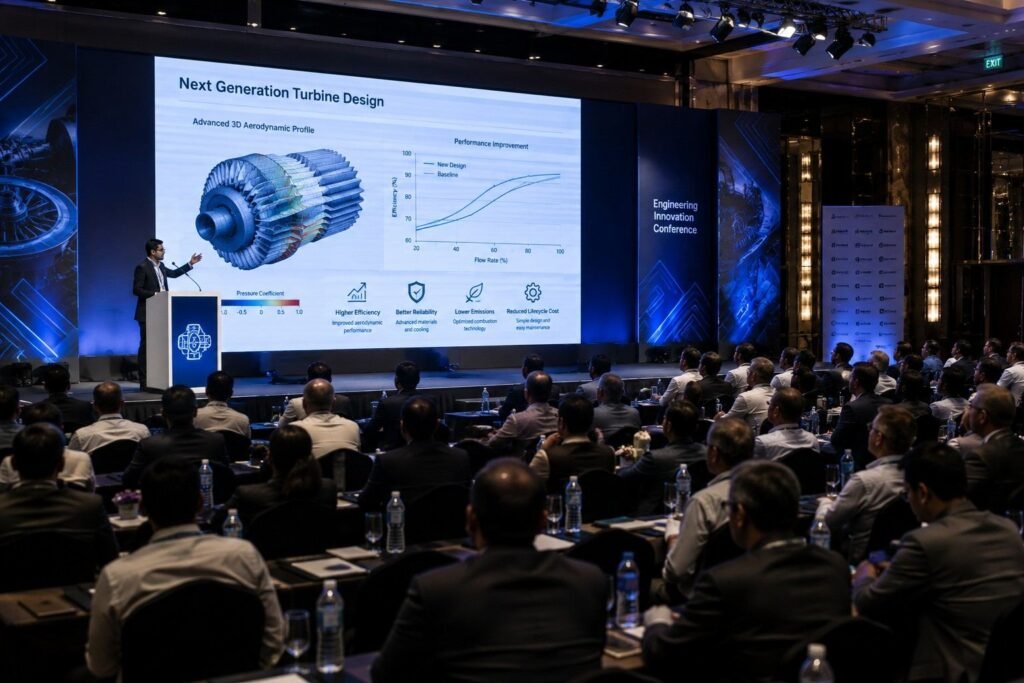
A technically accurate presentation can still lose an engineering audience when every slide asks people to process too much information at once. Dense charts, long explanations and unfamiliar technical terms can make even valuable ideas difficult to follow. At an engineering conference, the challenge is not to make technical content less technical. It is to make that content clear, relevant and useful for the people in the room. An effective engineering conference experience connects the speaker, technical information, visuals, demonstrations and audience interaction. When these elements work together, a presentation becomes more than a transfer of information; it creates a useful conversation around real engineering challenges, solutions and applications. The goal is simple: help industry audiences understand the problem, follow the technical thinking and see why the solution matters in practice.
 

Engineering conference experience

Why Technical Presentations Often Lose Industry Audiences

A technical presentation does not become engaging simply because the subject is innovative. Even experienced engineering professionals can lose interest when a presentation makes them work too hard to understand the main point.


Too Much Information on Every Slide

Engineering presentations often need to communicate complex data, processes and technical findings. The problem starts when everything is placed on the slide at once. Long paragraphs, crowded charts and multiple diagrams can make it difficult for the audience to identify what actually matters. A better approach is to give each visual one clear job. If a chart shows a performance improvement, the speaker should guide the audience toward that specific insight rather than expecting them to interpret every data point themselves.


Starting With Technology Instead of the Problem

An audience may not immediately care about a new system, product or technical process. They are more likely to pay attention when they understand the engineering problem it addresses. For example, instead of opening with the features of a new manufacturing technology, begin with the production challenge, efficiency issue or reliability problem that led to its development. This gives the technical information a clear purpose.


Making the Content Too Technical or Too General

An engineering conference audience can include specialists, managers, researchers and industry decision-makers, each with a different level of familiarity with the subject. Going too deep too quickly can make the presentation difficult for some attendees to follow, while oversimplifying the content can leave technical professionals wanting more substance. A better approach is to build the presentation in layers, moving from context to technical concept, evidence and application. This gives the audience a clear understanding of the bigger picture before introducing deeper technical details, while still providing enough substance for those who want to explore the subject further. 


Relying Only on Slides

Slides should support the speaker, not replace the presentation. When an audience is expected to read dense text while listening to a detailed explanation, attention is divided. Technical diagrams, process flows, demonstrations and well-selected data can often communicate an idea faster than several paragraphs of text. The strongest technical presentations use visuals to explain, not simply decorate.


Leaving No Room for Interaction

A presentation can be technically strong and still feel one-sided if the audience has no opportunity to ask questions, discuss applications or respond to a problem. Meaningful interaction does not require turning an engineering session into an entertainment program. A well-timed question, demonstration or technical discussion can be enough to make the audience part of the experience. Ultimately, engaging technical presentations are not about reducing technical depth. They are about making that depth easier to understand, connect with and apply.

Understand the Engineering Conference Audience

An engineering conference audience is rarely made up of people with exactly the same background. A session may bring together engineers, technical specialists, researchers, engineering managers, technology leaders and industry decision-makers. Each person may be interested in the same subject but for a different reason. That is why a strong engineering conference presentation starts with understanding what the audience needs to take away from the session.


Identify What Matters to the Audience

Before preparing slides, consider a few simple questions:

  • What engineering problem does the audience face?
  • How familiar are they with the technology or subject?
  • Are they looking for technical knowledge, practical solutions or new ideas?
  • What could they apply to their own projects or operations?
  • What evidence would make the presentation credible?

These questions help determine what deserves more explanation and what can be kept brief.


Present Information in Layers

Technical audiences appreciate depth, but not every attendee needs the same level of detail at the same moment. A useful approach is to structure the presentation around Context → Technical Concept → Evidence → Application. Start by explaining why the subject matters, then introduce the technical concept, support it with relevant evidence and show how it can be applied in a real engineering environment. This layered approach keeps the presentation accessible while maintaining the technical substance and credibility that industry professionals expect. 


Connect Technical Details to Real Outcomes

Engineers are often interested in the details behind a solution, but those details become more meaningful when connected to an outcome. Instead of presenting data without context, explain what it means: What changed? Why did it change? What did the project achieve?


For example, a performance graph becomes more useful when the speaker explains how the improvement affected efficiency, reliability, production time or another relevant engineering objective. The goal is not to simplify engineering information until it loses value. It is to give every important technical detail a clear reason for being there.


Give Different Audience Members a Way In

A specialist may want to understand the technical methodology, while an engineering manager may be more interested in implementation, cost, reliability or scalability. A well-structured presentation can address both by moving from the broader engineering challenge into technical evidence and then toward practical application. That balance makes technical presentations for industry audiences more useful and helps create a stronger overall conference experience.

Start With the Engineering Problem, Not the Technology

A technical presentation is easier to follow when it begins with a problem the audience already understands. Engineers attend conferences to learn about new ideas and solutions, but they also want to know how those ideas relate to real challenges. Starting with the technology before explaining the problem can make the presentation feel disconnected. Instead, introduce the challenge first, then show how the technology or approach addresses it.


Make the Problem the Starting Point

Rather than opening with a detailed explanation of a new system or technology, begin by describing the situation that required a solution. For example, unexpected equipment failures may be causing production delays and higher maintenance costs. Once the audience understands that challenge, the technical solution has a clear purpose, and the rest of the presentation becomes easier to follow.


Explain Why the Problem Matters

The problem should have enough context to show why it is worth solving. It could involve downtime, production efficiency, safety, reliability, energy consumption, maintenance, material performance, quality or operating costs. The aim is not to make the problem sound dramatic, but to help the audience understand its practical impact and why a particular engineering approach was needed.


Use Real Project Context

Real project situations can make technical presentations feel more relevant. Instead of simply explaining an automation process, for instance, describe the production issue that led to it, such as repetitive work, inconsistent output or unnecessary manual intervention. From there, explain what was changed and what the project achieved. This gives the technical information a clear connection to real engineering work.


Let the Technology Become the Answer

Once the problem and its impact are clear, the technology becomes part of the solution rather than the main subject from the beginning. The audience can then understand what was changed, why the approach was chosen, what evidence supports it and where it could be applied. This makes the presentation more useful for industry professionals because they can see the reasoning behind the technology, not just its features.

Build a Clear Story Around Technical Evidence

Technical presentations often include test results, specifications, performance figures and other data, but simply showing evidence does not guarantee that the audience will understand its importance. The presentation should help people see what the evidence proves and why it matters. A clear flow from the engineering problem to the supporting evidence and its practical use can make technical information much easier to follow.


Use a Simple Technical Storyline

A useful structure is Problem → Explain → Prove → Demonstrate → Engage → Connect. Start by introducing the engineering challenge, explain the approach being used, and then support it with relevant data or testing. If possible, demonstrate how the solution works, give the audience room to discuss it and finally connect the idea to situations they may encounter in their own work.


Let Evidence Support the Main Point

A presentation does not need to include every result from a project. Select the data that helps explain the main finding and leave supporting details for additional material when necessary. For example, if the presentation is about improving equipment reliability, focus on the measurements that show whether reliability actually improved. This keeps the information useful without overwhelming the audience.


Explain What the Data Means

Charts and graphs are much more effective when the speaker explains the important finding instead of leaving the audience to interpret everything on their own. Rather than simply saying that a graph shows test results, explain what changed, why the change matters and what it means for the project. This gives the data context and makes it easier for the audience to remember the main point.


Show the Engineering Decision-Making

The reasoning behind a technical solution can be just as valuable as the final result. Where relevant, explain why a particular approach was selected, what alternatives were considered, what constraints affected the decision and what was learned during testing or implementation. Sharing these details gives industry audiences a better understanding of how the solution was developed and where its limitations may lie.


Keep the Story Moving Toward Application

The presentation should eventually answer more than whether the technology worked. It should explain what the results mean for real engineering work and where the learning could be applied. When technical evidence is connected to practical outcomes, the presentation becomes more useful and gives the audience something they can take beyond the conference session.

Balance Technical Depth With Accessibility

A good engineering conference presentation should be technically credible without becoming difficult to follow. Industry audiences expect useful detail, evidence and substance, but they also need enough context to understand why that information matters. The aim is not to simplify the subject itself, but to make the route to the technical information clearer.


Give the Audience Context Before Detail

Technical terms and complex processes are easier to understand when the audience knows what they are looking at and why it matters. Before introducing a detailed model, specification or process, briefly explain the problem it addresses, where it is being used and what the audience should pay attention to. Once that context is established, the technical details have a clear purpose.


Explain Complex Ideas in Layers

A useful way to structure technical information is to move from the big picture to the key concept, technical detail, evidence and practical application. This allows attendees to understand the basic idea before moving into more specialised information. It can be particularly effective at engineering conferences where specialists and broader industry professionals may be attending the same session.


Use Technical Terms With Purpose

Technical language is necessary when it provides accuracy, but unnecessary terminology can make a presentation harder to follow. When a specialised term is important, explain it briefly when it first appears and then use it consistently. This keeps the presentation precise without making the audience work harder than necessary to understand the subject.


Make Numbers Meaningful

Engineering presentations often rely on measurements and performance data, but numbers have more value when their practical meaning is explained. For example, saying that efficiency increased by 12% gives the audience a figure, while explaining that the improvement reduced energy consumption during the tested operating cycle shows why that figure matters. Connecting data to an outcome makes technical evidence easier to understand.


Give Specialists Room to Go Deeper

Keeping the main presentation accessible does not mean removing advanced information. Detailed methodology, technical specifications, supporting calculations or additional test results can be shared through supplementary material, technical documents, demonstrations or follow-up discussions. This allows specialists to explore the subject further while allowing the main session to remain clear for the wider audience. The strongest technical presentations for industry audiences find a balance between clarity and depth, giving everyone enough context to follow the discussion while still providing experts with meaningful technical substance.

Use Visuals and Demonstrations to Explain Complex Ideas
Technical presentation at conference

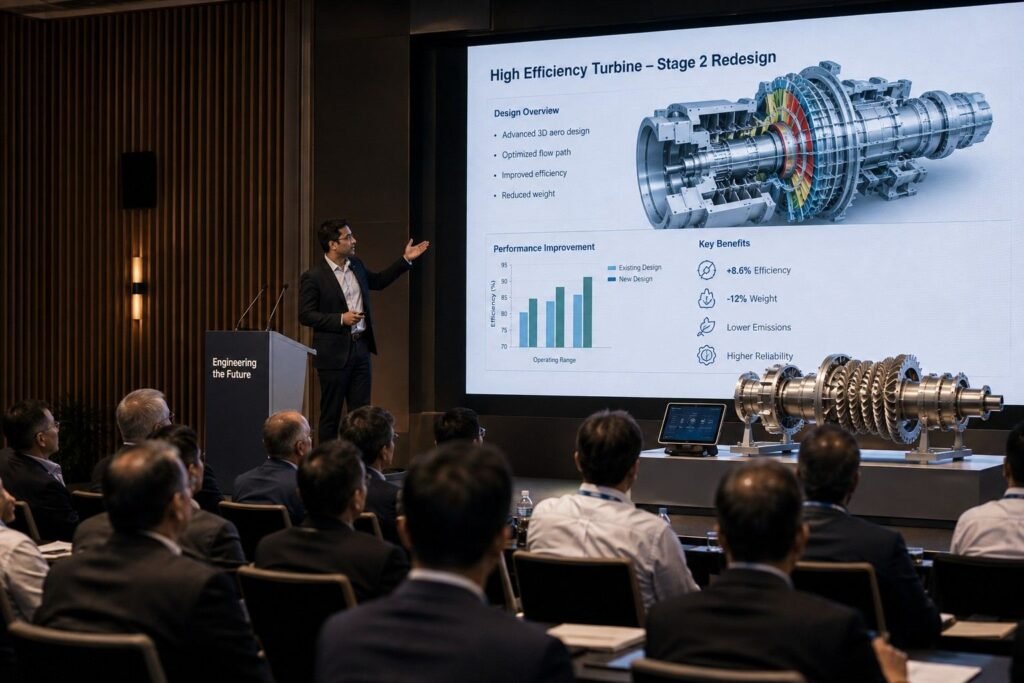
Technical information is often easier to understand when people can see how something works instead of only hearing an explanation. This can be especially helpful when presenting engineering systems, processes, products or test results. A useful visual should make the idea clearer, not simply make the presentation look more polished.


Choose Visuals That Explain

Engineering presentations can use process diagrams, technical drawings, system architectures, data visualisations, simulations, prototypes, comparisons and product demonstrations. The right choice depends on what the audience needs to understand. For example, a process diagram can make the relationship between different engineering stages much clearer than a paragraph of explanation.


Give Every Visual One Clear Purpose

A slide becomes difficult to follow when it tries to communicate several ideas at once. Before adding a chart, diagram or image, consider what you want the audience to understand from it. If the purpose is to show an improvement in efficiency, make that improvement easy to identify. If the visual explains a process, remove details that do not help explain that process.


Use Demonstrations When They Add Value

A demonstration can make a technical presentation more tangible by allowing the audience to see a product, prototype, process or system in action. Depending on the subject, it could involve a simulation, real-time data, a physical component or a comparison between two processes. The demonstration should have a clear connection to the presentation and help answer a technical question rather than being included simply to attract attention.


Combine Data With Explanation

Charts and graphs can communicate a large amount of information, but they still need context. Rather than expecting the audience to interpret the data independently, point out the important result and explain what it means for the project or application. This helps turn a collection of figures into something the audience can understand and use.


Keep the Presentation Environment in Mind

The conference environment also affects how technical visuals are received. Screen size, viewing distance, lighting and stage layout can influence whether a detailed diagram is easy to understand. A visual that looks clear on a laptop may not work as well on a large conference screen. Effective engineering conference experiences therefore consider the presentation environment as well as the content. When the visuals, demonstrations and technical explanation support one another, complex information becomes easier to follow without losing its technical value.

Make the Audience Part of the Presentation
Interactive engineering conference

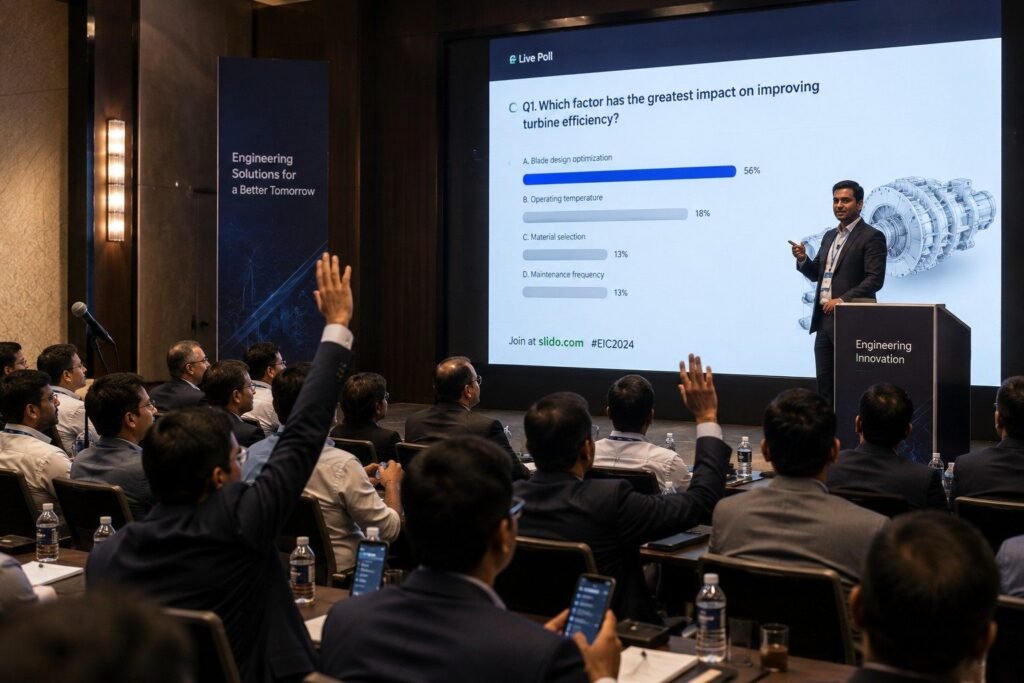
A technical presentation can become passive when attendees are expected to listen without having any opportunity to respond or relate the subject to their own work. Industry audiences are more likely to stay involved when the presentation gives them reasons to think about how the topic connects with their projects and challenges. The purpose of interaction is not to turn a technical session into entertainment. It should make the subject easier to understand and encourage useful discussion.


Ask Questions That Relate to Real Problems

Instead of ending every presentation with a general request for questions, speakers can introduce questions connected to the subject being discussed. For example, asking how many attendees have faced a particular maintenance or production challenge gives people an opportunity to compare the topic with their own experience.


Use Short, Purposeful Interactions

Interaction does not need to take up a large part of the session. A quick poll, show of hands, technical scenario, short discussion or live demonstration can be enough to bring the audience into the conversation. The important thing is to choose an approach that fits the subject and does not interrupt the flow of the presentation.


Connect Examples to Industry Experience

Technical examples become more engaging when they reflect situations that attendees recognise. A speaker could ask how a proposed solution might perform under different operating conditions or what changes would be required to implement it in another environment. This shifts the discussion from simply explaining what was developed to considering how the idea could work in practice.


Leave Space for Technical Questions

Questions often reveal what the audience wants to explore further. Rather than rushing through the presentation and leaving only a few minutes for Q&A, allow enough time for discussion. Questions from engineers and industry professionals can also introduce practical perspectives that were not part of the original presentation.


Make Interaction Support the Main Message

Every interactive element should have a clear purpose. A question, poll or demonstration that has no connection to the technical subject can easily become a distraction. When interaction helps clarify an idea, test an assumption or explore an application, it adds value to the session and creates a more active engineering conference experience.

Design the Presentation as Part of the Conference Experience
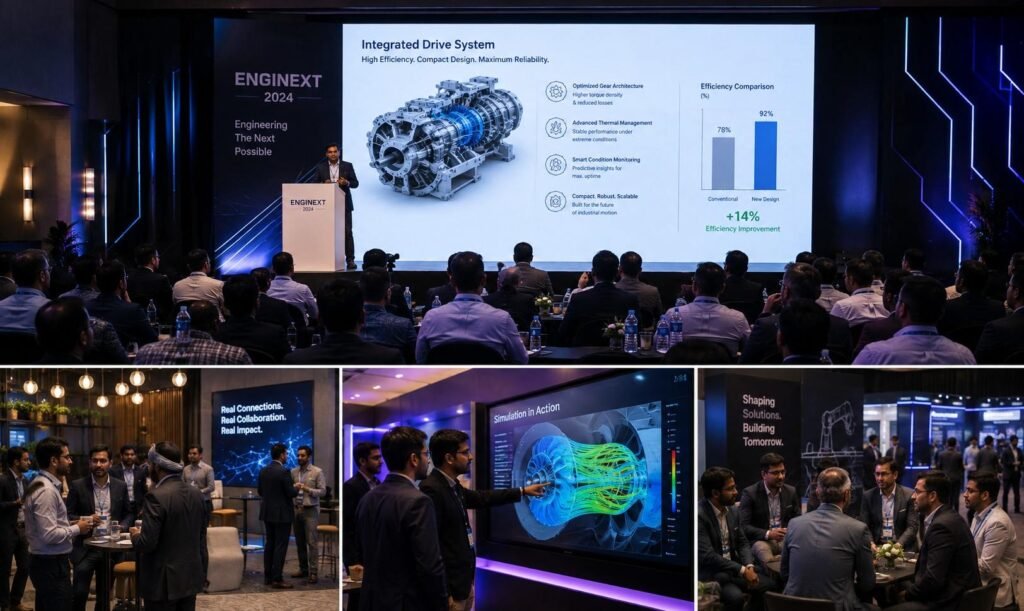
Design the Presentation

A technical presentation is only one part of what an attendee experiences at an engineering conference. The speaker, screen, stage, demonstrations, audience and surrounding environment all influence how the session is received. Even strong technical content can lose some of its impact when the audience cannot clearly see the visuals, a demonstration feels disconnected from the subject, or there is no opportunity to continue the discussion after the session.


Connect the Speaker, Screen and Stage

The presentation environment should make the technical content easier to follow. Readable diagrams, clear screen layouts, suitable lighting and a stage arrangement that keeps the speaker visible can all help. The aim is not to make the stage unnecessarily elaborate, but to make sure the speaker and the technical message remain easy to follow.


Make Demonstrations Part of the Experience

When a product, prototype or technical process is demonstrated, it should have a clear connection to what the speaker has already explained. For example, the presentation might introduce an engineering challenge, explain the proposed solution and then use a demonstration to show how that solution works. This gives the audience a practical reference point for the technical discussion.


Create Opportunities Beyond the Session

The conference experience does not have to end when the final slide appears. A presentation can naturally lead into technical discussions, demonstrations, workshops, networking conversations or follow-up meetings. Providing a useful resource or creating a clear next step can encourage attendees to continue exploring the subject.


Keep the Audience Journey in Mind

From the attendee’s perspective, the experience begins before the presentation itself. They need to find the session, understand what it is about, follow the content, participate where appropriate and have an opportunity to ask questions or explore the subject further. Each of these moments can influence how useful and memorable the session feels. This is particularly relevant to engineering conference experiences, where attendees often move between technical sessions, demonstrations, networking areas and other event activities.


Make Every Element Serve the Technical Message

A successful conference environment does not necessarily need to be elaborate. What matters is how well the different elements work together. When the speaker, content, visuals, technology and audience interaction all support the same objective, a technical presentation becomes a meaningful part of the overall conference experience rather than simply another scheduled session.


Turn Q&A Into a Technical Conversation

The Q&A session can be one of the most useful parts of a technical presentation because it gives attendees an opportunity to raise practical questions that may not have fitted into the planned content. It can also reveal how engineers and industry professionals are thinking about the subject.  For that reason, Q&A should feel like a natural continuation of the presentation rather than something added at the very end.


Prepare for the Questions That Matter

Before the conference, consider the questions an experienced engineer might raise. They may want to know how a solution performs under different conditions, what limitations were discovered, how it was tested, what implementation challenges appeared or whether it can be scaled. Thinking through these areas beforehand helps the speaker give more useful answers.


Be Clear About Limitations

Technical audiences do not expect every project to be perfect. Being open about testing conditions, limitations or unresolved issues can make a presentation more credible and give the discussion greater value. If something is still uncertain, explain what is known, what remains to be tested and what was learned during the project.


Encourage Practical Discussion

Some questions come from attendees who are dealing with similar engineering problems in a different environment. For example, someone may ask whether a solution would work under different operating conditions. Rather than giving a simple yes or no, the speaker can explain which factors would need to change and whether further testing would be required. This turns the Q&A into a useful exchange of technical knowledge.


Keep Answers Focused

Technical questions can sometimes lead to long explanations. A focused answer should address the question first and then provide the evidence or context needed to support it. If the subject requires a deeper discussion, the speaker can offer to continue the conversation after the session.


Let the Conversation Continue

Not every technical question can be answered fully in a conference session. A demonstration, technical resource or follow-up discussion can provide an opportunity to explore the subject further. This creates a natural connection between the presentation and the wider engineering conference experience. The best Q&A sessions do more than clarify information; they allow engineers and industry professionals to compare experiences, question assumptions and consider how an idea might work in their own environment.

Conclusion

A strong engineering conference presentation is not about putting more information on more slides. It is about helping an industry audience understand why a technical idea matters, how it works and where it can create practical value. The most effective approach is to move from: Problem → Explain → Prove → Demonstrate → Engage → Connect. Start with a real engineering challenge, support the solution with credible evidence, use visuals and demonstrations to make complex ideas clearer, and give attendees opportunities to question and discuss the subject. When the speaker, content, technology, audience interaction and conference environment work together, a technical session becomes more than a presentation. It becomes a valuable part of the engineering conference experience, one that can inform, encourage discussion and create meaningful industry connections.

The goal is simple: don’t just deliver technical information. Create an experience that helps people understand it, remember it and see how they can use it.

FAQs

1. What makes a technical presentation memorable for an industry audience?

A technical presentation becomes more memorable when it connects a real engineering problem with clear evidence, practical examples and a useful takeaway. Demonstrations, relevant visuals and meaningful audience discussion can also help attendees remember the key idea after the conference.

The ideal length depends on the conference format and the session schedule. Rather than trying to fill the available time, speakers should prioritise the most important technical information, leave enough room for explanation and allow time for meaningful Q&A when possible.

Engineers can make technical presentations easier to understand by establishing context before introducing complex details, using clear terminology, organizing information logically and supporting explanations with diagrams, data and real project examples.

Technical presentations can avoid information overload by focusing on the main message, limiting unnecessary slide content, breaking complex processes into stages and selecting only the evidence that supports the presentation’s central point.

A presentation can create better engagement by connecting technical information to real industry problems, using relevant visuals or demonstrations, inviting meaningful questions and showing how the information could be applied in practical engineering environments.

A strong presentation should generally include the engineering problem or objective, the technical approach, supporting evidence, results, practical application and a clear takeaway. The structure should be adapted to the audience and conference format.

Engage an engineering audience by respecting its technical knowledge while keeping the presentation relevant and easy to follow. Use real problems, project evidence, demonstrations, practical examples and questions that encourage attendees to connect the subject with their own work.

Q&A allows attendees to explore technical details, raise practical concerns and discuss applications that may not fit into the main presentation. A strong Q&A can turn a presentation into a broader technical conversation and strengthen the overall conference experience.