Introduction
Imagine walking into a busy exhibition hall, where hundreds of brands are competing for attention at the same time. Every booth is trying to stand out with bold graphics, large displays, and interactive elements. But despite all the effort, many stalls still go unnoticed. Why? Because visibility isn’t just about design it’s about how that design is presented. And this is where exhibition stand lighting quietly becomes the most powerful tool. In high-traffic trade shows across India, visitors often decide within just a few seconds whether to stop at a booth or keep walking. A well-lit exhibition stand design naturally draws the eye, highlights key areas, and creates a welcoming atmosphere. On the other hand, poor lighting can make even the most expensive booth look dull, confusing, or easy to ignore.
This is why smart businesses today are investing in strategic lighting, not just decoration. From improving visibility across crowded aisles to guiding visitor attention and increasing engagement, the right lighting setup can directly impact footfall and lead generation. In fact, in competitive markets like exhibition stand lighting and trade show booth lighting, lighting is no longer optional; it’s a core part of exhibition success. In this guide, we’ll break down how exhibition stand lighting enhances visibility and engagement, along with practical ideas, strategies, and expert insights you can actually use for your next exhibition.
Why Lighting is Critical in Exhibition Stands
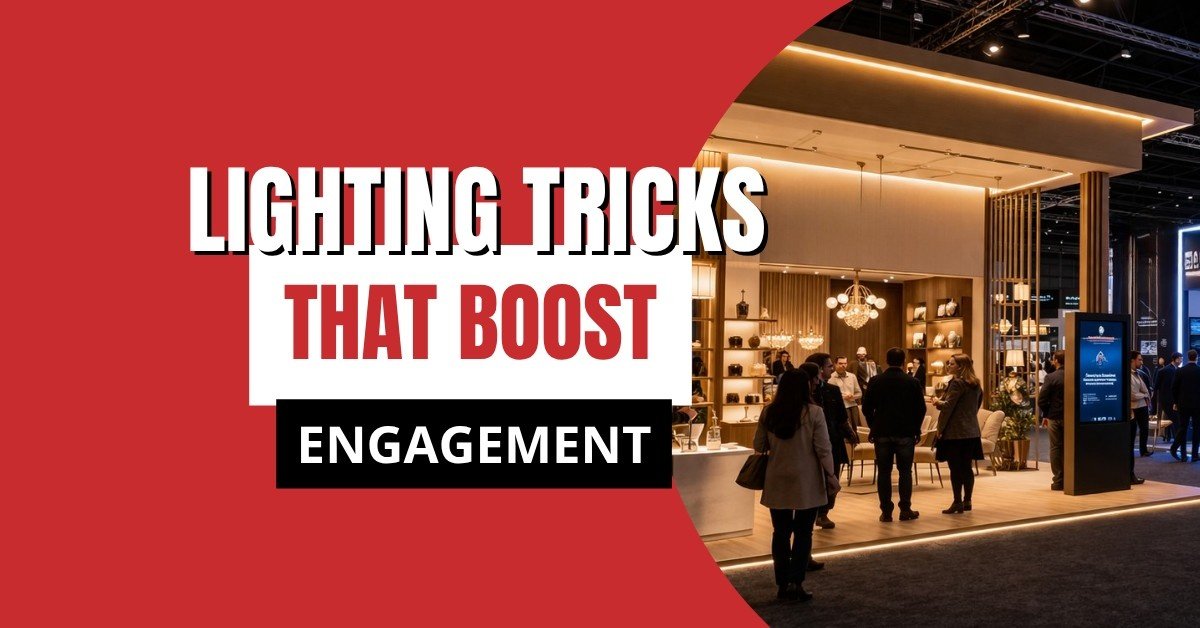
In a crowded exhibition environment, a booth has only a few seconds to capture a visitor’s attention. While design, graphics, and branding are important, it is exhibition stand lighting that truly brings a booth to life. Without proper lighting, even the most innovative or visually appealing booth may go unnoticed. Strategic lighting not only enhances visibility but also sets the tone for visitor engagement and brand perception.
Creates a Strong First Impression
Lighting is often the first element a visitor notices, even before reading signage or examining products. A well-lit booth appears professional, inviting, and credible. In fast-paced exhibitions across India, where attendees scan multiple stalls quickly, effective lighting can make visitors pause and take a closer look. A thoughtfully illuminated booth immediately communicates quality and attention to detail, helping your brand stand out from the competition.
Improves Booth Visibility from a Distance
Exhibition halls are typically large and visually busy, with numerous booths competing for attention. Strategic lighting helps your booth stand out from across the aisle by creating contrast and drawing the eye toward key areas. Spotlights on logos, backlit graphics, or illuminated product displays ensure that your brand remains visible even in crowded environments. This level of visibility is essential for attracting initial footfall and maximizing engagement.
Enhances Brand Perception
The type, intensity, and color of lighting can significantly influence how visitors perceive your brand. Bright, clean lighting conveys innovation, professionalism, and attention to detail, while warmer lighting creates a welcoming, premium, and approachable atmosphere. Many businesses investing in trade show booth lighting in India use lighting intentionally to align with their brand identity, reinforcing the message they wish to communicate to visitors.
Guides Visitor Attention
Well-planned lighting acts as a visual guide, subtly directing visitors toward important areas such as product displays, demo zones, or meeting spaces. Instead of overwhelming visitors with too much information at once, lighting helps create a structured and intuitive experience. By highlighting priority areas, you ensure that visitors focus on what matters most, improving interaction and retention.
Increases Footfall and Engagement
Effective exhibition lighting directly contributes to higher visitor engagement. Booths that are easy to see and visually appealing naturally attract more attendees. Once visitors enter, proper lighting creates a comfortable environment, encouraging them to explore products, interact with staff, and spend more time engaging with your brand. Ultimately, this increased footfall and engagement translate into better lead generation and stronger business outcomes.
Types of Exhibition Stand Lighting
Selecting the right type of lighting is essential for creating a booth that is both engaging and highly visible. Different lighting types serve distinct purposes, and when used strategically, they can transform an ordinary exhibition stall into a highly attractive and interactive space. Below are the most effective types of exhibition stand lighting, along with their functions, examples, and best practices:
Ambient Lighting
Ambient lighting provides the overall illumination of your booth, ensuring that visitors can move around comfortably while creating a welcoming atmosphere. It forms the foundation of your booth’s lighting design, setting the mood and supporting other layers of lighting.
Key Features and Benefits:
- Ensures even illumination across the booth.
- Enhances overall booth aesthetics and professionalism.
- Prevents dark corners that may feel uninviting.
- Supports visibility for all visitors, especially in large exhibition halls.
Examples: LED ceiling panels recessed overhead lights, soft overhead luminaires.
Purpose: General illumination, creating a comfortable and professional environment.
Best Practices:
- Avoid harsh or overly bright lighting that can overwhelm visitors.
- Keep the light level moderate to complement accent and task lighting.
- Choose fixtures that match the overall design theme of your booth.
Accent Lighting
Accent lighting focuses on highlighting specific areas or key products within the booth. It draws visitor attention to important zones, such as new product launches, branding elements, or interactive demo areas.
Key Features and Benefits:
- Guides visitors toward high-priority displays.
- Creates visual interest and contrast within the booth.
- Enhances the perception of featured products or branding.
- Can influence visitor behavior by directing foot traffic.
Examples: Spotlights, directional track lights, LED uplights, or display case lights.
Purpose: Focus visitor attention and emphasize high-value areas.
Best Practices:
- Position accent lights at angles to avoid glare and shadows.
- Use accent lighting to create hierarchy, signaling which products or areas are most important.
- Combine with ambient lighting to create a balanced visual experience.
Task Lighting
Task lighting is designed for functional areas where interaction occurs, such as consultation zones, registration counters, product demonstration tables, or workstations. This ensures staff and visitors can perform activities comfortably and without visual strain.
Key Features and Benefits:
- Improves visibility for detailed tasks or demonstrations.
- Enhances visitor comfort and satisfaction during interactions.
- Ensures functional areas are well-lit without affecting overall booth aesthetics.
Examples: Adjustable desk lamps, under-cabinet lights, LED spotlights focused on work areas.
Purpose: Facilitate functionality, improve visitor experience, and support staff activities.
Best Practices:
- Use dimmable or adjustable lights for flexibility based on booth activities.
- Avoid lighting that is too harsh on staff or visitors.
- Ensure task lighting blends with overall booth design.
LED Lighting
LED lighting is highly versatile, energy-efficient, and ideal for modern exhibition booths. It can be integrated into ambient, accent, or task lighting and allows for creative effects, including textures, color changes, and dynamic movement.
Key Features and Benefits:
- Enhances the aesthetic appeal of the booth.
- Long-lasting and energy-efficient compared to traditional lighting.
- Customizable brightness, color temperature, and even dynamic effects.
- Can create a modern and innovative atmosphere that reflects brand identity.
Examples: RGB LED strips, LED spotlights, LED backlit panels, edge-lit graphics.
Purpose: Enhance visual appeal, highlight key areas, and create interactive or modern displays.
Best Practices:
- Use programmable LEDs for dynamic effects or mood changes.
- Avoid overusing dynamic lighting, which can distract visitors.
- Coordinate LED colors with your brand palette for consistency.
How Exhibition Stand Lighting Improves Visibility
In a busy exhibition hall, visibility can make or break your booth’s success. A well-designed booth may have stunning graphics, premium materials, and engaging layouts, but without effective exhibition stand lighting, these elements risk being overlooked. Proper lighting ensures your brand and products stand out from the competition, naturally guiding visitors toward your booth and enhancing their overall experience.
Attracts Attention from a Distance
Exhibition visitors often make rapid decisions while navigating crowded aisles. They are scanning multiple booths simultaneously, making it critical for your booth to capture attention immediately. Bright, strategically placed lighting ensures your booth is visible even from a distance. Spotlights on your logo, backlit signage, or colorful LED accents create visual focal points that draw eyes across the exhibition floor. In large Indian exhibition venues such as those in Mumbai, Delhi, or Bangalore, where dozens of booths compete for attention, lighting can determine whether visitors notice your booth at all. The first impression is often formed in just a few seconds, making lighting one of the most important tools for attracting potential leads.
Highlights Key Products and Areas
Not every part of your exhibition booth holds equal importance. Strategic lighting allows you to emphasize high-value products, feature displays, or interactive demo zones, guiding visitors to areas where engagement matters most. For example, a product launch can be highlighted with focused spotlights, drawing visitor focus without overwhelming the entire booth. Similarly, consultation zones, technology demos, or special promotions can be accentuated with directional lighting to ensure that visitors immediately understand where to engage. By highlighting specific areas, your booth can direct visitor attention efficiently, increasing interaction and improving the likelihood of meaningful conversations.
Creates Contrast and Depth
A flatly illuminated booth can appear dull and may blend into surrounding displays. Layered lighting which combines ambient, accent, and task lighting adds visual depth, making the booth more dynamic and engaging. The interplay of light and shadows, highlights on key displays, and subtle accent lighting create a three-dimensional effect that makes your booth visually interesting and memorable. Dynamic lighting elements, such as adjustable spotlights or LED strips, further enhance this effect by creating movement and guiding visitor focus. When done correctly, layered lighting ensures your booth stands out not only for its design but also for its visual complexity and appeal.
Enhances Brand Recognition
Lighting does more than to make your booth visible; it reinforces your brand identity. Consistent use of color temperature, illuminated logos, and branded lighting effects helps visitors instantly recognize your brand, building trust and credibility. For example, a technology brand may use cool white lighting to convey innovation and professionalism, while a luxury or lifestyle brand may opt for warm lighting to create a premium, welcoming atmosphere. Lighting that aligns with your brand message enhances perception, strengthens recognition, and leaves a lasting impression long after visitors leave the booth.
Improves Comfort and Accessibility
Good exhibition lighting is not just about aesthetics it also improves visitor comfort. Properly lit booths ensure products, displays, and information are easy to see without causing eye strain. Comfortable visibility encourages visitors to spend more time exploring your booth, engaging with your products, and interacting with staff. Moreover, well-placed lighting ensures that all areas of the booth are accessible and navigable, reducing visual confusion and making the visitor experience seamless. From a practical standpoint, this accessibility can directly contribute to increased dwell time, higher engagement, and ultimately better business outcomes.
How Lighting Enhances Visitor Engagement: A Visitor Journey Framework
Attracting visitors to your exhibition booth is only the first step; keeping them engaged long enough to interact with your products, staff, or promotional materials is where real business value is created. Exhibition stand lighting is a powerful tool that can guide the visitor journey, creating a seamless experience from first notice to active engagement. By thoughtfully planning lighting along the visitor journey, businesses can enhance both engagement and conversion.
Stage 1: Attraction (First 5 Seconds)
The initial moments a visitor sees your booth are critical. Visitors often make split-second decisions on whether to stop and explore or move on. Strategic lighting is essential to capture attention immediately and communicate the essence of your booth.
Key Strategies for Attraction:
- Highlight logos and branding elements: Bright accent lighting on your company logo or primary graphics ensures instant recognition.
- Use backlit panels and LED strips: These create visually striking focal points that draw the eye from across crowded aisles.
- Introduce dynamic or color-changing lighting carefully: Subtle motion or color shifts can differentiate your booth from surrounding stalls, making it memorable without overwhelming visitors.
- Create contrast with surrounding booths: Using light to define your space helps your booth stand out in busy halls.
In high-traffic exhibition spaces such as those in Mumbai, Delhi, or Bangalore, this initial lighting impact can be the difference between gaining a visitor and being overlooked. The goal is to make your booth instantly identifiable, visually appealing, and inviting.
Stage 2: Engagement (5–60 Seconds)
Once a visitor steps closer, the next goal is to guide them through your booth and sustain their interest. This stage focuses on interaction, exploration, and building curiosity. Properly designed lighting can subtly influence visitor behavior, leading them toward areas of high value and creating a sense of flow.
Key Strategies for Engagement:
- Spotlight product displays and demo areas: Focused lighting ensures visitors immediately notice the products or services you want to emphasize.
- Maintain comfortable ambient lighting: Visitors should feel relaxed and welcomed, not overwhelmed by overly bright or harsh lights.
- Define zones with layered lighting: Combine ambient, accent, and LED lighting to create visual zones for different activities product demos, interactive screens, consultation areas, or branded content.
- Enhance textures and details: Well-placed lighting can highlight the design, texture, or craftsmanship of products, making them more appealing and easier to examine.
Visitors are more likely to interact with products, ask questions, and engage with your staff when the lighting guides their attention naturally, enhances visibility, and creates a comfortable environment. Layered lighting contributes to a structured and intuitive visitor journey, improving overall dwell time.
Stage 3: Conversion (1–5 Minutes)
After initial attraction and engagement, the final stage of the visitor journey is conversion, the point at which a visitor takes meaningful action, such as leaving contact information, attending a demo, requesting a consultation, or even making a purchase. Proper lighting ensures visitors remain focused, comfortable, and confident enough to interact.
Key Strategies for Conversion:
- Optimize task lighting in interaction zones: Areas where staff and visitors converse, such as consultation desks, registration counters, or product demo stations, should have precise lighting to enhance visibility and clarity.
- Highlight critical information displays: Use accent or backlit lighting to emphasize brochures, digital screens, or signage containing essential information.
- Avoid glare and harsh shadows: Excessive brightness can cause discomfort or distraction, reducing visitor engagement and potentially shortening dwell time.
- Ensure consistent lighting across zones: Smooth transitions between attraction, engagement, and conversion areas maintain visitor focus and create a cohesive experience.
Research and industry case studies indicate that well-planned lighting significantly increases dwell time, engagement, and lead generation at exhibitions. Visitors feel more confident, comfortable, and guided, making them more likely to interact meaningfully and convert into leads or customers.
Best Exhibition Lighting Ideas for Trade Shows
To make a booth truly stand out at any trade show, lighting must be strategic, visually appealing, and aligned with visitor behavior. Thoughtfully designed lighting not only improves visibility but also enhances engagement, guides the visitor journey, and reinforces brand identity. Below are expert-approved exhibition lighting ideas that combine aesthetics, functionality, and impact:
1. Layered Lighting for Depth
Layered lighting combines ambient, accent, and task lighting to create visual depth and structure within the booth. This technique transforms a flat space into a dynamic environment and helps guide visitors naturally through different sections.
Implementation Tips:
- Use ambient lighting to provide general illumination and set the overall mood.
- Apply accent lighting to highlight key products, signage, or promotional areas.
- Install task lighting in interaction zones, such as demo tables or consultation spaces, to ensure functional visibility.
- Vary light intensity across layers to create contrast and draw attention where it matters most.
2. Backlit Graphics and Signage
Backlit panels and illuminated signage immediately attract visitor attention, even from a distance. They are highly effective for communicating branding, product information, or key promotional messages.
Implementation Tips:
- Use high-quality LED backlit panels for logos, graphics, or promotional visuals.
- Combine backlit graphics with accent lighting to create a multi-dimensional display.
- Ensure brightness is sufficient to stand out in well-lit exhibition halls without causing glare.
3. LED Spotlights for Product Highlighting
Spotlights are essential for emphasizing high-value products or critical areas of the booth. They focus visitor attention and ensure important displays are noticed, even in crowded or busy environments.
Implementation Tips:
- Position LED spotlights at a 45-degree angle to avoid glare on products or reflective surfaces.
- Use multiple spotlights for larger displays to evenly highlight the area.
- Combine with accent lighting to create depth and visual hierarchy.
4. Color Temperature Strategy
The color temperature of lighting affects the mood, perception, and visitor comfort. Using the right temperature ensures the booth feels inviting while aligning with brand identity.
Implementation Tips:
- Warm white (around 3000–3500K) creates a welcoming and comfortable environment.
- Cool white (4000–5000K) conveys a modern, professional, and clean aesthetic.
- Consider combining warm and cool lighting for layered effects that highlight different zones or product types.
5. Interactive or Dynamic Lighting
Dynamic lighting adds movement and responsiveness to the booth, creating memorable experiences and encouraging engagement. Subtle changes in lighting intensity or color can guide visitor focus or highlight key areas sequentially.
Implementation Tips:
- Use motion sensors, app-controlled LEDs, or programmable lighting to adjust intensity based on crowd flow.
- Apply dynamic effects sparingly to avoid overwhelming visitors.
- Integrate lighting with interactive elements, such as digital displays or demo areas, to reinforce engagement.
6. Highlighting Technology Zones or Demos
For booths featuring digital screens, VR setups, or interactive demonstrations, lighting ensures these areas are highly visible and comfortable to use. Proper illumination enhances the visitor experience and encourages participation.
Implementation Tips:
- Use softer ambient lighting around tech zones to reduce glare on screens.
- Ensure lighting is adjustable to suit different presentation or demo formats.
- Accent lighting can draw attention to interactive areas without overpowering the visuals.
7. Incorporate Theme and Design Aesthetics
Lighting should complement the booth’s overall design, theme, and color palette. Thoughtful integration of lighting with materials, textures, and branding creates a cohesive and visually appealing environment that resonates with visitors.
Implementation Tips:
- Use warm tones to create a welcoming atmosphere while integrating modern lighting effects for visual impact.
- Balance decorative lighting with functional illumination to maintain clarity and visibility.
- Highlight textures, finishes, or structural elements with focused accent lighting.
Lighting Strategy for Small vs Large Exhibition Booths
Not all booths are created equal, what works for a large exhibition space may not be suitable for a smaller stall. Understanding the differences in lighting strategy ensures maximum visibility and engagement, no matter your exhibition booth size.
Small Booths (Under 100 sq. ft.)
In compact spaces, every lighting element counts. Overcrowding with lights can make the booth feel cramped, while under-lighting makes it dull and uninviting.
Tips for Small Booths:
- Use layered lighting sparingly: Combine one ambient light with 1–2 accent lights.
- Highlight key products or signage: Focus on your most important items to guide visitor attention.
- Avoid large fixtures: Compact, adjustable LED lights save space and provide flexibility.
- Maximize brightness without glare: Ensure visitors can see clearly without feeling overwhelmed.
Example: A 10×10 ft booth in Mumbai exhibitions can use an overhead LED panel for general illumination and two adjustable spotlights to highlight products and brand signage.
Large Booths (Above 200 sq. ft.)
Bigger spaces allow more creativity but also pose challenges. Without proper planning, large booths can feel empty or inconsistent.
Tips for Large Booths:
- Use multiple lighting zones: Divide the booth into ambient, accent, and task areas.
- Create focal points: Use accent lighting to draw attention to key sections like demo zones or featured products.
- Add dynamic lighting elements: Incorporate LED strips, color-changing lights, or backlit graphics to maintain visual interest across the space.
- Ensure consistent brightness: Avoid dark corners or uneven lighting that may confuse visitors.
Example: A 20×20 ft booth at a Delhi trade show can use multiple LED panels for ambient lighting, directional spotlights for product areas, and interactive LED accents for demo stations, creating a cohesive and engaging environment.
Cost of Exhibition Stand Lighting in India
Understanding the cost of exhibition stand lighting is crucial for planning a successful booth without overspending. In India, pricing can vary widely depending on the type of lighting, booth size, and complexity of the setup.
Factors Affecting Lighting Costs
- Booth Size
Larger booths require more lights and power, increasing both equipment and installation costs. For instance, a small 10×10 ft booth may need 3–5 lights, while a 20×20 ft booth could require 10–15 lights or more. - Type of Lighting
- Ambient lighting (LED panels, ceiling lights) is generally affordable.
- Accent lighting (spotlights, directional LEDs) costs more due to positioning and fixtures.
- Interactive or dynamic lighting (color-changing LEDs, motion-sensitive lights) is premium and can increase overall cost.
- Installation and Labor
Professional installation ensures proper placement and safety but adds to the cost. In cities like Mumbai, Delhi, and Bangalore, labor rates may vary depending on the event scale and vendor expertise. - Quality of Equipment
High-quality LEDs last longer, consume less power, and provide better visual impact but come at a higher price. Cheaper alternatives may save upfront costs but can reduce engagement and durability.
Estimated Costs in India
Booth Size | Basic Lighting | Accent & LED | Premium Interactive |
10×10 ft | ₹10,000–₹20,000 | ₹25,000–₹35,000 | ₹40,000–₹50,000 |
20×20 ft | ₹25,000–₹40,000 | ₹50,000–₹70,000 | ₹80,000–₹1,00,000 |
30×30 ft | ₹40,000–₹60,000 | ₹80,000–₹1,20,000 | ₹1,50,000–₹2,00,000 |
Note: Costs may vary based on location, vendor, and exhibition duration.
Cost-Saving Tips
- Plan lighting zones: Focus on key areas instead of lighting the entire booth uniformly.
- Use energy-efficient LEDs: Reduces electricity consumption and long-term costs.
- Rent premium lighting equipment: Often more cost-effective than purchasing for short-term events.
- Test before installation: Avoid costly last-minute adjustments.
Quick Lighting Checklist Before Your Exhibition
A well-lit exhibition booth requires detailed planning and careful attention to ensure it is both visually appealing and functional. Proper lighting enhances visibility, guides visitor engagement, and reinforces brand identity. The following checklist outlines essential steps to prepare your booth for maximum impact.
1. Plan Your Lighting Zones
Before installing any lighting, map out your booth into distinct zones: ambient, accent, and task areas. Ambient lighting provides general illumination for the entire space, accent lighting highlights key products, branding elements, and displays, while task lighting focuses on interactive zones such as product demonstrations, consultation desks, or registration counters. Properly planned zones ensure visitors can navigate the booth comfortably, and attention is naturally drawn to the most important areas.
2. Choose the Right Type of Lighting
Selecting the appropriate lighting type is crucial for both aesthetics and functionality. LEDs are ideal due to their energy efficiency, long lifespan, and versatility. Combine ambient, accent, and task lighting to create depth and a layered visual effect. Additionally, consider the color temperature carefully, aligning it with your brand identity and the mood you want to convey warm lighting creates a welcoming atmosphere, while cooler tones convey a modern and professional feel.
3. Test Placement and Angles
The positioning and angle of your lights significantly influence how visitors perceive your booth. Spotlights should be angled to highlight products effectively without creating unwanted shadows. Backlit graphics should be positioned to maximize visibility from a distance, ensuring your brand and key messages are immediately noticeable. Avoid placing lights where they might cast shadows on visitor pathways or obstruct viewing of products and displays.
4. Check Brightness and Coverage
Balanced brightness is essential to avoid areas that are too dark or overly bright. Uneven illumination can make certain products or displays difficult to see, while excessive brightness can cause discomfort, glare, or visual fatigue. Test lighting from multiple angles to ensure even coverage throughout the booth, paying particular attention to high-traffic areas and zones with reflective surfaces or digital screens.
5. Ensure Electrical Safety
Safety is a critical consideration when planning exhibition lighting. Check all wiring, connections, and circuit loads prior to the event. Use certified equipment to minimize risks and ensure compliance with electrical standards. Avoid overloading circuits, and have a backup plan in case of unexpected power issues. Proper planning reduces the risk of malfunctions, ensures smooth operation, and maintains a professional appearance throughout the exhibition.
6. Prepare for Dynamic or Interactive Effects
Interactive or dynamic lighting can significantly enhance visitor engagement but must be implemented thoughtfully. Test any motion-sensitive or color-changing lighting in advance to confirm it operates as intended. Ensure that dynamic effects highlight key areas without distracting visitors or overwhelming the booth. Properly timed and controlled lighting effects can create a memorable experience and encourage visitors to spend more time exploring the booth.
7. Mock Setup Before the Event
Conducting a full trial setup of the booth with all lighting installed is essential. Observe how light interacts with the space, products, and visitor pathways. Walk through the booth as a visitor would to identify potential problem areas, such as dark spots, glare, or poorly highlighted zones. Make adjustments to brightness, placement, and angles based on these observations to ensure optimal visibility, comfort, and aesthetics before the exhibition begins.
8. Coordinate with Booth Staff
Your booth staff plays a key role in maintaining lighting quality throughout the event. Train team members on how to operate and adjust lighting as needed, especially in high-traffic periods. Ensure everyone knows which zones require attention and how to address minor issues promptly. Staff coordination ensures consistent lighting performance and a professional, well-maintained appearance for your booth at all times.
Conclusion
Lighting is no longer just an accessory for exhibition booths; it has become a strategic tool that can significantly influence success at trade shows. Effective exhibition stand lighting does more than illuminate a space; it captures attention in crowded halls, guides visitors through key products and displays, and enhances overall engagement. A well-planned lighting strategy increases visibility, attracts footfall, and creates a welcoming environment that encourages visitors to spend more time interacting with your booth. By highlighting important products, branding elements, and interactive zones, lighting also reinforces brand perception, conveys professionalism, and supports lead generation and conversions. Combining the right types of lighting, such as ambient, accent, and task lighting, with an understanding of visitor behavior ensures your booth stands out from competitors. When executed with careful planning, testing, and attention to detail, exhibition stand lighting transforms your booth into a visually appealing and highly effective space, maximizing both visitor engagement and business outcomes.
FAQs
1. What is exhibition stand lighting?
Exhibition stand lighting is the strategic use of various light sources ambient, accent, and task lighting to enhance the visibility, appeal, and functionality of a booth at trade shows. Proper lighting highlights key products, draws visitor attention, and guides the overall flow of the visitor journey.
2. Why is lighting important in exhibition booths?
Lighting is crucial because it creates the first impression, improves visibility from a distance, and emphasizes products, displays, and branding elements. It also sets the mood, supports brand identity, and influences how visitors perceive your booth and offerings.
3. How does lighting attract visitors to a booth?
Bright, well-positioned lighting immediately draws attention, creates visual contrast, and highlights key products or interactive areas. Dynamic lighting effects or backlit graphics further enhance visibility, making your booth more noticeable and memorable in crowded exhibition halls.
4. Which types of lighting are most effective for exhibition stalls?
A layered combination works best: ambient LED lighting for general illumination, spotlights for highlighting products or branding, and task lighting for interactive or demo zones. Matching color temperature to your brand and ensuring a comfortable visual environment is also essential.
5. How can lighting improve visitor engagement at trade shows?
Strategically placed lighting guides visitor focus, emphasizes important products or displays, and creates a welcoming and comfortable atmosphere. When visitors can easily navigate and interact with the booth, dwell time increases, leading to higher engagement and more meaningful interactions.
6. What common mistakes should be avoided in exhibition lighting?
Common mistakes include overly dim or excessively bright lighting, poor placement of lights, inconsistent color temperatures, low-quality LEDs, and neglecting interactive zones. These errors can reduce visibility, create discomfort, and negatively impact visitor perception.
7. How much does exhibition stand lighting cost?
The cost of lighting depends on booth size, type of lighting, equipment quality, and installation complexity. Basic ambient lighting is generally more affordable, while accent, LED, and interactive lighting options can increase costs. Proper planning and quality equipment ensure the best return on investment.
8. How can I optimize my exhibition lighting for maximum impact?
Plan lighting zones carefully, use a mix of ambient, accent, and task lighting, test brightness and angles, and coordinate with booth staff for maintenance. Incorporating interactive or dynamic lighting effects can further enhance visibility, engagement, and visitor experience.