Exhibition stall design in 2026 has transformed into a strategic marketing asset rather than just a decorative brand display. As trade shows become more competitive and visitor attention spans continue to shorten, businesses must focus on creating exhibition stall experiences that communicate value instantly. Modern exhibition environments are driven by engagement psychology, technology integration, and experience-based branding, making stall design one of the most important factors influencing show-floor success.
One of the primary reasons exhibition stall design matters today is the intense competition for visitor attention. Thousands of brands often participate in major exhibitions, making it difficult for any single booth to stand out without a well-planned visual and experiential strategy. Exhibition booth design trends 2026 emphasize simplicity combined with powerful brand storytelling. Instead of overcrowded graphics and excessive product placement, modern stalls focus on delivering a clear brand message within the first few seconds of visitor interaction.
Visitor behaviour has also changed significantly over the years. People attending exhibitions are now more selective about where they spend their time. They prefer exhibition booths that feel open, welcoming, and easy to explore. A successful exhibition stall design creates natural movement flow inside the booth, allowing visitors to discover products and information without feeling overwhelmed.
Key Reasons Exhibition Stall Design Is Important in 2026
Strong First Impression Creation
The exhibition stall is often the first physical touchpoint between a brand and potential customers. Professional and modern booth design helps establish trust and credibility instantly.
Improved Visitor Engagement and Interaction
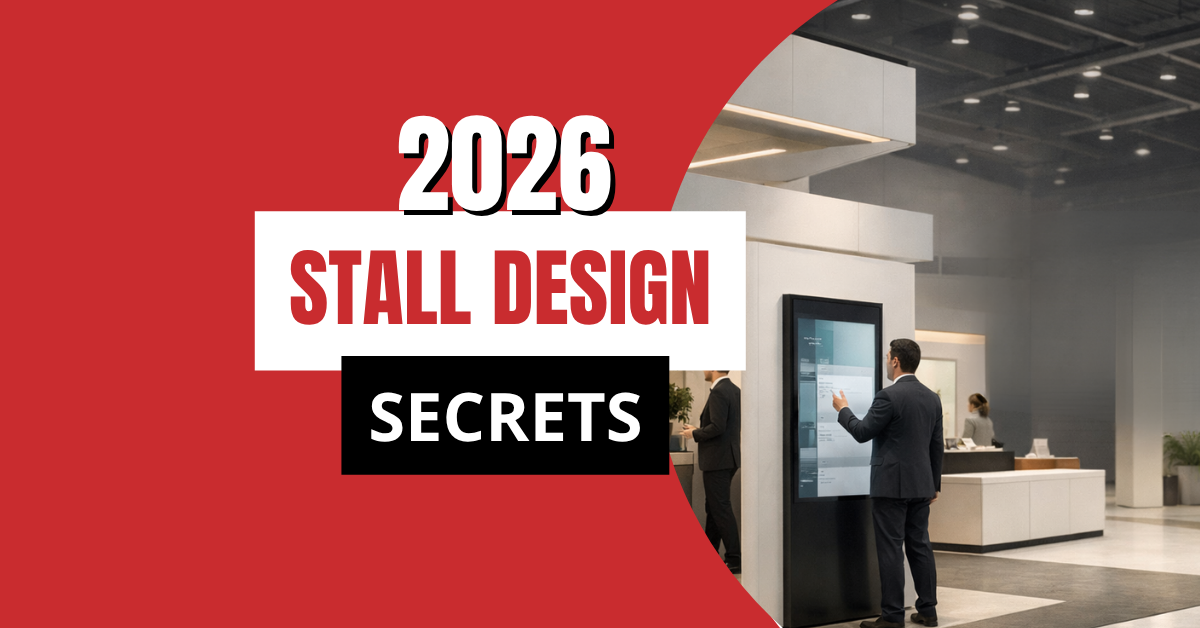
Interactive exhibition booth design trends are focusing on encouraging visitors to participate rather than just observe. Digital screens, product demonstration zones, and touch-based experiences help maintain visitor interest.
Brand Storytelling Through Design
Exhibition stall design in 2026 is moving toward narrative-based presentation. Instead of showing multiple products randomly, brands are structuring booth content to communicate a clear value journey.
Higher Lead Generation Potential
The primary objective of modern exhibition participation is not just visibility but conversion. Smart layout planning, strategic call-to-action placement, and discussion-friendly spaces help sales teams capture quality leads.
Comfort-Oriented Visitor Experience
Modern exhibition booth ideas focus on reducing visitor fatigue. Proper navigation space, balanced lighting, and comfortable interaction zones help visitors stay longer inside the booth.
Technology-Driven Marketing Communication
The integration of digital content systems, LED display walls, and dynamic presentation tools is reshaping how brands communicate product advantages inside exhibition spaces.
Another important factor is marketing return on investment. Trade show participation requires significant financial and operational commitment, and every design element should contribute toward business performance. Exhibition stall design 2026 prioritizes conversion-friendly architecture where product displays, brand messaging, and interaction zones are strategically positioned.
Smart lighting technology plays a crucial role in enhancing visual perception inside exhibition stalls. Well-planned lighting design helps highlight key products while creating mood-based presentation environments. Many modern booths are using energy-efficient LED lighting systems that improve visibility while supporting sustainable exhibition practices.
Technology integration is redefining the future of exhibition marketing. Digital screens, immersive video content, and real-time product simulations are helping brands create memorable visitor experiences. Unlike traditional static displays, modern exhibition stall design encourages active participation where visitors can explore information at their own pace. Sustainability is also becoming a core expectation in exhibition design trends 2026. Brands are moving toward recyclable materials, modular exhibition structures, and flexible booth systems that can be reused across multiple events. Sustainable exhibition stall construction not only supports environmental responsibility but also reduces long-term operational costs.
Top Exhibition Stall Design Trends 2026
The exhibition industry is shifting toward intelligent, purpose-driven, and experience-first design philosophies. In 2026, the most successful exhibition booths are not necessarily the most visually complex but the ones that deliver meaningful emotional connection, interaction, and business value. Modern trade show environments require a careful balance between technology integration, brand simplicity, and immersive storytelling. As visitor behaviour continues to evolve, exhibition stall design trends 2026 are focusing on reducing visual overload while maximizing communication efficiency. The goal is not to display everything inside the booth but to present the right message to the right visitor at the right moment.
1. Immersive and Interactive Experience Zones
Interactive experience zones are becoming the cornerstone of modern exhibition booth design. Instead of treating the booth as a static display space, brands are transforming exhibition stalls into engagement ecosystems where visitors can actively participate in brand exploration. Interactive technologies such as touch panels, gesture-controlled displays, and augmented reality presentations are helping brands communicate product value in a more intuitive way. Visitors prefer learning through experience rather than reading long technical descriptions, making immersive zones highly effective for marketing communication.
The primary advantage of interactive booth environments is increased dwell time. When visitors spend more time inside the exhibition stall, the probability of meaningful conversation and lead conversion increases significantly.
Key Elements of Interactive Booth Design
- Digital product demonstration systems
- Touch-enabled information screens
- Virtual product visualization tools
- Live customer engagement interfaces
- Gamification-based marketing experiences
- Real-time data presentation displays
2. Minimalist Design With Strategic Messaging
Minimalist exhibition stall design is gaining strong popularity because it aligns with modern visual communication psychology. Today’s exhibition visitors prefer organized, clean, and easily understandable booth layouts rather than crowded promotional graphics.
The philosophy behind minimalist booth design is simply to communicate more with less. Strategic positioning of brand logos, product highlights, and key marketing messages helps visitors instantly understand the brand identity.
Open space architecture is an important component of minimalist exhibition design. It creates a welcoming environment that encourages visitors to enter the booth without psychological hesitation.
Benefits of Minimalist Exhibition Booth Design
- Improved brand perception and premium positioning
- Better visitor movement flow
- Higher visual clarity
- Reduced cognitive overload
- Professional and modern brand image
3. Sustainable and Reusable Exhibition Structures
Sustainability is becoming a mandatory consideration in exhibition stall design rather than a marketing preference. Brands are increasingly adopting modular exhibition systems that allow structural components to be reused across multiple exhibitions.
Eco-friendly exhibition design includes the use of energy-efficient lighting systems, recyclable materials, and low-waste construction methods. Many global brands are actively communicating their environmental responsibility through sustainable booth architecture.
Reusable exhibition structures also provide long-term economic advantages. Businesses can modify booth configurations according to location, event size, and marketing objective without rebuilding the entire structure.
Sustainable Design Components
- Modular aluminum framework systems
- Recyclable paneling materials
- Low-energy digital display technology
- Environmentally responsible printing solutions
- Lightweight transport-friendly structures
4. Smart Lighting and Dynamic Visual Engineering
Lighting design has evolved into a powerful psychological marketing tool inside exhibition stalls. Modern booth lighting is no longer limited to brightness but focuses on creating visitor mood, guiding attention, and highlighting brand identity. Advanced lighting systems allow exhibitors to control colour temperature, intensity, and directional focus. Motion-responsive lighting effects are being used to attract visitor attention in crowded exhibition halls. LED technology has become the industry standard because of its energy efficiency and design flexibility. Programmable lighting environments can help brands change booth atmosphere according to presentation stages or product demonstrations.
Advanced Lighting Design Features
- Accent lighting for product focus
- Background mood illumination
- Dynamic motion lighting sequences
- Energy-efficient display lighting
- Shadow-free presentation zones
5. Multi-Sensory Brand Experience Design
Modern exhibition stall design is expanding beyond visual communication by incorporating multi-sensory marketing elements. Multi-sensory branding aims to engage multiple human senses simultaneously to create stronger emotional memory.
Environmental scent marketing, audio-visual synchronization, and tactile product interaction are some emerging experimentation areas in advanced exhibition booths. These elements help visitors form deeper emotional connections with the brand.
The psychological impact of multi-sensory engagement is significant because human memory retention increases when multiple sensory channels are activated.
Multi-Sensory Booth Elements
- Background sound branding systems
- Interactive product touch experience zones
- Environmental lighting ambience control
- Video-audio synchronized storytelling
- Physical product sampling stations
6. Hybrid Exhibition Ecosystem Integration
The future of exhibition marketing is moving toward hybrid participation models where physical and digital experiences coexist. Hybrid exhibition booth strategies allow brands to engage both onsite visitors and online audiences simultaneously. Many companies are incorporating virtual consultation systems, digital appointment booking platforms, and live streaming product demonstrations inside their exhibition stalls. Hybrid booth design helps extend marketing reach beyond geographical limitations and supports continuous brand interaction even after the exhibition ends.
Hybrid Booth Features
- QR code-based information access
- Online lead capture systems
- Virtual product showcase platforms
- Post-event digital engagement portals
- Remote customer interaction interfaces
7. Visitor Behaviour Psychology-Based Layout Design
Visitor psychology is becoming a major factor in modern exhibition stall architecture. Instead of forcing visitors through complex navigation routes, designers are creating natural movement pathways. Entry points are carefully planned to create welcoming visual signals. Product demonstration areas are positioned in high-visibility zones while discussion spaces are placed in quieter sections of the booth. This psychology-based design approach helps improve visitor comfort and engagement quality.
Layout Optimization Techniques
- Open front booth entry architecture
- Guided product discovery pathways
- Comfortable interaction discussion zones
- Logical information presentation hierarchy
- Reduced congestion movement points
8. Technology-Driven Storytelling and Digital Communication
Storytelling is one of the most powerful marketing tools inside exhibition environments. Technology-driven storytelling booths help brands explain complex products in simple and engaging formats. Video wall installations, animated product journeys, and interactive digital narratives are widely used to communicate brand value propositions. This trend is particularly beneficial for technical industries where product functionality needs detailed explanation but must be delivered in an easy-to-understand visual format.
Advanced Storytelling Display Methods
- Ultra-high-definition video panels
- Animated product lifecycle visualization
- Real-time performance data dashboards
- Interactive presentation kiosks
- Scenario-based marketing simulations
9. Portable and Flexible Exhibition Architecture
Flexibility is becoming essential in modern exhibition planning. Portable exhibition systems allow businesses to participate in multiple events with minimal structural modification. Lightweight construction materials and smart assembly designs are helping companies reduce transportation and setup costs while maintaining premium visual quality.
10. Customer-Centric Engagement Design Philosophy
The future of exhibition stall design is fundamentally customer-centric. Every technological, structural, and visual decision is made with visitor experience in mind. Successful exhibition booths in 2026 will be those that can combine technology, sustainability, simplicity, and emotional branding into one seamless marketing environment.
Practical Booth Design Strategies for Better Visitor Engagement
Designing a visually appealing exhibition stall is only the first step toward successful trade show marketing. The true measure of exhibition booth effectiveness lies in how well the space can attract visitors, sustain their interest, and convert casual foot traffic into meaningful business opportunities. Modern exhibition stall design trends 2026 emphasize experience optimization, psychological comfort, and interaction-driven communication rather than decorative presentation. Visitor attention in contemporary exhibition environments is extremely limited due to high competition and information overload. Brands must therefore design exhibition spaces that feel welcoming, easy to understand, and naturally encourage exploration. A successful booth is one that guides visitors without forcing them, communicates value quickly, and provides multiple engagement opportunities within a single space.
Below are detailed practical strategies that can significantly improve visitor engagement inside exhibition stalls.
1. Establish Clear Communication Hierarchy
The first few seconds of visitor interaction are extremely important in exhibition marketing. When a visitor approaches a booth, they should immediately understand the brand identity, product category, and primary value proposition.
Large, readable brand graphics should be placed in high-visibility zones such as the upper front panel or central display area. Exhibition stall design 2026 recommends using simple, powerful taglines instead of complex marketing messages.
The communication hierarchy should follow a structured pattern:
- Brand name and logo visibility
- Primary product or service message
- Supporting value information
- Contact or call-to-action details
Avoid overcrowding the front visual surface with multiple messages. Clean and focused communication improves brand professionalism and trust perception.
2. Create Functional Interaction Zones Inside the Booth
Modern exhibition booths are moving away from single-space product displays toward multi-zone experience architecture. Dividing the stall into different functional areas helps visitors engage with the brand in a more comfortable and organized way.
Common functional zones inside a high-performance exhibition stall include:
- Product Display Zone
This area showcases core products or services. The display should be arranged in a way that allows visitors to observe products from multiple angles without obstruction. - Experience or Demonstration Zone
Product demonstration areas are extremely effective for technical or high-value products. Live demonstrations help visitors understand product functionality and advantages quickly. - Discussion and Consultation Zone
Small seating arrangements or standing discussion counters help sales teams interact with potential clients in a relaxed environment. - Digital Interaction Zone
Touch screens, video walls, and interactive presentation systems allow visitors to explore product information independently.
This multi-zone approach reduces crowd congestion and improves overall visitor experience quality.
3. Optimize Lighting Design for Visitor Psychology
Lighting is one of the most powerful but often underestimated tools in exhibition booth engagement strategy. Proper lighting design can influence visitor mood, focus attention on important products, and improve visual comfort.
Key lighting strategies include:
- Using accent lighting to highlight premium products
- Maintaining balanced ambient illumination inside the booth
- Avoiding excessive brightness contrast that causes visual fatigue
- Using directional lighting to guide visitor movement
Modern exhibition stall lighting systems often use programmable LED technology that allows exhibitors to modify lighting atmosphere during different presentation phases.
Lighting should support the booth message rather than dominate the design.
4. Integrate Digital Engagement Technologies
Technology integration is becoming essential for modern exhibition success. Digital tools help brands communicate complex information efficiently while keeping visitors engaged.
Important digital engagement elements include:
- Interactive touch information panels
- Video demonstration displays
- Product simulation models
- QR code-based information access
- Real-time presentation systems
These technologies allow visitors to explore brand information at their own pace, which improves satisfaction and reduces sales pressure. Digital engagement also supports lead capture systems that help marketing teams follow up after the exhibition event.
5. Prioritize Visitor Comfort and Movement Flow
Comfort-oriented booth design is a critical factor influencing visitor behaviour. If visitors feel physically or psychologically uncomfortable inside a booth, they are more likely to leave quickly.
Important comfort design considerations include:
- Maintaining adequate walking space inside the stall
- Avoiding unnecessary structural clutter
- Providing small seating or discussion areas
- Ensuring proper air circulation
- Designing easy entry and exit pathways
Visitor flow optimization should follow natural human movement psychology. The booth entrance should feel inviting rather than restrictive.
6. Focus on Experience Optimization and Performance Monitoring
Modern exhibition marketing is evolving into a data-informed strategy. Companies that continuously analyze visitor behaviour can improve future booth performance.
Useful optimization methods include:
- Observing visitor movement patterns inside the booth
- Tracking which displays attract maximum attention
- Collecting visitor feedback after interaction
- Measuring lead conversion quality
- Evaluating engagement time per visitor
Exhibition stall participation should be treated as a long-term marketing experiment where each event provides learning insights for future improvement.
7. Balance Aesthetic Appeal With Marketing Functionality
Many businesses make the mistake of prioritizing visual decoration over marketing performance. While visual appeal is important, exhibition stall design must always support business objectives.
The best exhibition booths combine:
- Strong brand storytelling
- Functional product presentation
- Visitor experience engineering
- Technology-enabled communication
- Conversion-oriented layout planning
Overly complex designs can actually reduce engagement because visitors may feel intimidated or confused.
8. Encourage Emotional Connection Through Brand Experience
Modern exhibition marketing is moving toward emotional branding rather than only product promotion. Visitors are more likely to remember experiences that trigger emotional or sensory responses.
This can be achieved through:
- Story-based product presentation
- Multi-sensory marketing elements
- Personalized interaction zones
- Friendly and professional staff communication
Emotional connection improves brand recall and increases post-exhibition conversion potential.
Sustainability, Technology, and Experience-Driven Exhibition Stall Design
The future of exhibition stall design is rapidly evolving toward an integrated model where sustainability, advanced technology, and experience-focused presentation work together to create high-performing marketing environments. In 2026, exhibition booths are expected to represent not only brand identity but also corporate responsibility, innovation capability, and customer experience intelligence. Modern exhibition marketing is moving away from traditional product display methods and adopting intelligent design systems that can adapt to different event environments. Companies are increasingly realizing that exhibition participation is not just a promotional activity but a strategic communication platform that influences brand perception, market positioning, and business credibility. The combination of sustainable construction methods, digital technology integration, and experiential design architecture is becoming the foundation of next-generation exhibition stall development.
1. Sustainability as a Core Exhibition Design Principle
Sustainability is no longer an optional branding statement but a fundamental design requirement in modern exhibition marketing ecosystems. Organizations are increasingly adopting environmentally responsible booth construction methods that reduce waste and long-term operational costs.
Key sustainability-focused design approaches include:
- Modular exhibition structure systems that can be reused across multiple events
- Use of recyclable aluminum framing and eco-friendly panel material
- Low-waste production and assembly processes
- Energy-efficient electrical and lighting systems
- Sustainable printing technologies for graphics and signage
Modular exhibition booth design is gaining significant popularity because it offers flexibility in booth configuration while maintaining visual consistency. Businesses can resize or modify booth structures according to exhibition hall space requirements without reconstructing the entire design. Sustainability also contributes to brand reputation building. Modern customers and business partners prefer working with organizations that demonstrate environmental responsibility. Exhibition stall design 2026 therefore integrates ecological awareness into marketing communication strategy.
2. Technology Integration in Exhibition Booth Architecture
Technology is transforming exhibition stalls into intelligent communication platforms. Digital innovation is enabling brands to present complex product information in visually engaging and interactive formats.
Important technological components include:
High-Definition Digital Display Systems
Large format LED screens and video walls are replacing traditional printed banners. These systems allow exhibitors to showcase product demonstrations, promotional content, and storytelling visuals in dynamic formats.
Motion graphics and animation-based presentation methods are highly effective in attracting visitor attention inside crowded exhibition halls.
Projection Mapping and Visual Engineering
Projection mapping technology allows brands to transform physical booth surfaces into interactive visual storytelling platforms. Product information can be displayed directly on structural surfaces, creating immersive presentation environments.
Smart Interaction Devices
Touchscreen information kiosks and gesture-controlled interfaces are becoming common in advanced exhibition stalls. These devices allow visitors to explore product specifications independently.
Data-Driven Visitor Analytics
Artificial intelligence-based visitor monitoring systems are emerging as future exhibition marketing tools. Smart sensors and tracking technologies can help identify:
- Visitor movement patterns
- Engagement zone performance
- Product display attractiveness
- Average interaction time
This data helps marketing teams optimize booth design for future exhibitions.
3. Experience-Driven Marketing Design Philosophy
Experience-driven exhibition stall design is one of the most powerful trends shaping the industry in 2026. Instead of focusing only on product promotion, modern booths are designed to create memorable visitor journeys. Experience marketing inside exhibition stalls focuses on emotional connection, interaction quality, and brand storytelling.
Key experience design elements include:
- Product demonstration theatres inside the booth
- Story-based brand communication zones
- Interactive customer participation activities
- Gamification marketing strategies
- Personalized visitor interaction systems
Multi-sensory engagement is becoming a highly effective marketing method. Combining visual content with audio branding, tactile product experience, and environmental ambience helps improve brand recall rates.
When visitors emotionally connect with booth experiences, they are more likely to remember the brand after the exhibition event ends.
4. Advanced Lighting Engineering for Exhibition Spaces
Lighting design has transformed from a simple visibility requirement into a sophisticated marketing psychology tool. Modern exhibition stall lighting systems are engineered to influence visitor attention and mood perception.
Key lighting innovations include:
- Programmable LED lighting environments
- Dynamic colour temperature adjustment systems
- Accent lighting for premium product highlighting
- Motion-responsive illumination effects
- Energy-efficient smart lighting controls
Adaptive lighting technology allows exhibitors to modify booth ambience during different presentation stages. For example, presentation zones can use brighter focused lighting while discussion areas maintain softer comfortable illumination.
5. Intelligent Visitor Experience Ecosystem
The future exhibition booth will function as a smart marketing ecosystem rather than a physical display structure. Visitor experience optimization will become the primary performance metric for exhibition success.
Important ecosystem components include:
- Seamless integration of physical and digital marketing channels
- QR code based information access systems
- Post-event digital communication portals
- Automated lead capture mechanisms
- Virtual consultation platforms
Hybrid exhibition marketing is gaining momentum because it allows brands to extend customer interaction beyond the physical exhibition duration.
6. Business Value of Experience-Driven Exhibition Design
The ultimate objective of modern exhibition stall design is measurable business performance. Companies are investing in intelligent booth architecture because it directly influences marketing return on investment.
Experience-driven exhibition stalls help improve:
- Lead generation quality
- Brand recognition strength
- Customer trust building
- Product demonstration effectiveness
- Post-event conversion probability
Organisations that adopt technology-enabled, sustainability-focused exhibition strategies are better positioned to compete in highly crowded trade show environments.
Frequently Asked Questions About Exhibition Stall Design Trends 2026
1. How can exhibition stall design help generate high-quality leads?
Exhibition stall design plays a critical role in lead generation by guiding visitor attention toward conversion zones. Dedicated discussion areas, product demonstration stations, and digital information capture systems help marketing teams collect qualified business contacts. Interactive screens, QR-based information sharing, and live presentation tools allow visitors to explore products without pressure, which improves lead quality.
2. What makes a successful exhibition stall design in 2026?
A successful exhibition stall design in 2026 is a combination of visitor psychology, brand storytelling, and technology integration. The booth should communicate the brand message within seconds, encourage visitor interaction, and provide comfortable navigation space. Experience-driven presentation, minimalist visual clarity, and strategic product placement are the key factors that determine booth performance. Companies should focus on creating engagement environments rather than decorative structures.
3. What is the role of visitor psychology in exhibition booth design?
Visitor psychology is one of the most important but often overlooked factors in exhibition marketing. People are more likely to enter booths that feel open, welcoming, and easy to understand. Proper entry space design, visual hierarchy planning, and smooth movement flow help reduce visitor hesitation. Exhibition stalls should be designed to naturally attract visitors without forcing them to engage.
4. Is modular exhibition stall design better than custom booth construction?
Both modular and custom booth designs have advantages depending on marketing objectives. Modular exhibition systems are cost-effective, reusable, and flexible for multiple events. Custom booth designs are ideal for premium brand positioning and unique visual storytelling. Many modern companies are adopting hybrid booth strategies that combine modular structure efficiency with custom visual elements.
5. How important is lighting in modern exhibition stall design?
Lighting is a powerful visitor attention control tool inside exhibition booths. Smart lighting systems help highlight products, create brand atmosphere, and guide visitor movement. Energy-efficient LED lighting, accent illumination, and programmable light environments improve both visual presentation and sustainability performance.
6. What technologies should be included in a 2026 exhibition booth?
Modern exhibition booths should consider integrating digital display systems, interactive touch screens, video wall presentations, and data-driven visitor engagement tools. Advanced booths may also include augmented reality product visualization, live demonstration interfaces, and QR-based information access mechanisms. Technology should always support communication rather than dominate the design.
7. Why is sustainability becoming important in exhibition marketing?
Sustainability is becoming essential because businesses are expected to demonstrate environmental responsibility. Eco-friendly materials, reusable booth structures, and low-energy technology systems help reduce environmental impact while lowering long-term exhibition participation costs. Sustainable booth design also enhances brand reputation among modern audiences.
8. How can businesses improve visitor experience inside exhibition stalls?
Visitor experience can be improved by maintaining open booth layouts, providing comfortable discussion spaces, using multi-sensory marketing elements, and ensuring easy navigation paths. Staff communication quality, product demonstration clarity, and emotional brand storytelling also contribute significantly to visitor satisfaction.
Conclusion: The Future of Exhibition Stall Design in 2026
Exhibition stall design in 2026 is evolving into a powerful marketing platform where creativity, technology, and strategic thinking work together to deliver measurable business results. Modern trade shows are no longer about displaying products alone; they are about creating meaningful brand experiences that stay in the visitor’s memory long after the event ends. The industry is steadily moving toward intelligent booth environments that prioritize visitor interaction, sustainability, and clear communication. Minimalist yet impactful designs are becoming more popular because they help brands present their message without overwhelming the audience. At the same time, immersive technologies, smart lighting systems, and digital storytelling tools are helping exhibitors transform traditional booths into dynamic engagement spaces.
Sustainability will continue to play a significant role in shaping future exhibition architecture. Reusable structures, eco-friendly materials, and modular design systems are helping businesses reduce environmental impact while maintaining premium presentation standards. Companies that adopt sustainable exhibition strategies are likely to strengthen their brand reputation in global marketing environments. Geo-focused exhibition strategies are also becoming important for businesses targeting specific regional markets. Understanding local visitor behaviour, industry expectations, and event culture helps brands design stalls that resonate better with their target audience.
Ultimately, the success of exhibition participation depends on how well a booth can attract attention, communicate value, and convert visitor interest into business opportunities. Companies that treat exhibition stall design as a strategic marketing investment rather than a decorative requirement will continue to gain a stronger competitive advantage in the evolving trade show landscape. If your brand is planning to participate in exhibitions in the coming years, adopting these design trends will help you stay ahead in visitor engagement, brand visibility, and marketing performance.