Corporate VIP Event Management: Creating a Seamless Guest Experience

Corporate VIP Event Management: Creating a Seamless Guest Experience

A corporate VIP event is not defined by an exclusive lounge, elaborate decor or an expensive menu. What matters is how smoothly the guest experiences the event from the first invitation to the final goodbye. Corporate VIP event management involves planning the experience for executives, investors, CXOs, key clients, dealers, partners, speakers or other high-priority guests. It brings together guest management, logistics, hospitality, protocol, technology and event production so important guests can move through the event without unnecessary delays or confusion. The challenge is that VIP expectations extend beyond the venue. A poorly communicated invitation, an unplanned arrival or a last-minute seating issue can affect the experience before the main programme even begins. That is why effective VIP planning starts well before event day. The goal is to understand the guest, plan the important touchpoints and make sure the teams responsible for them are working from the same information.
Corporate VIP event management

What Is Corporate VIP Event Management?

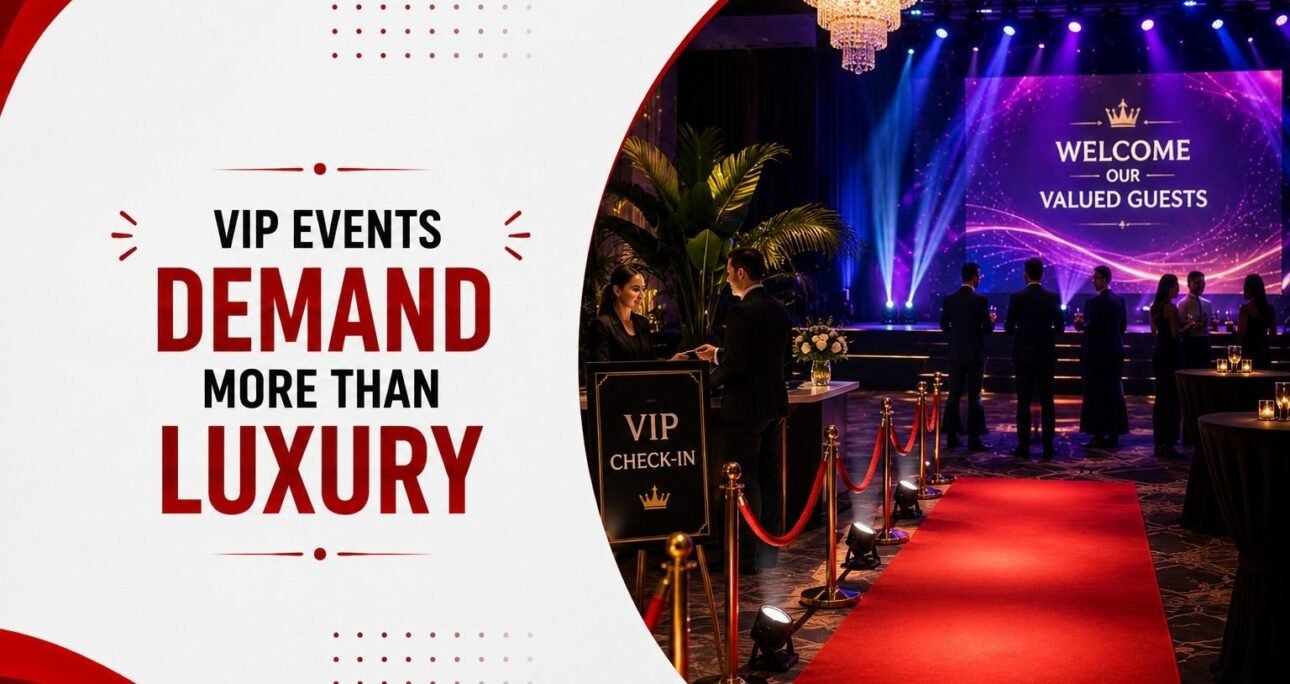
Corporate VIP event management is the specialised planning of events for high-priority guests such as senior executives, CXOs, key clients, investors, business partners, dealers, speakers and dignitaries. It can include guest profiling, invitations, RSVP management, arrival coordination, registration, seating, networking, protocol, transport, event production and follow-up. The key difference is the level of attention given to the guest experience. A VIP may need a planned arrival, dedicated assistance, specific seating or a private meeting around the main programme. Hospitality, venue, registration, transport and production teams should work from the same plan so the experience feels consistent. The approach should also reflect the purpose of the event: a client at a product launch may need something different from a CXO at a leadership conference. Ultimately, VIP management is less about adding luxury and more about making the experience relevant, convenient and well managed.

Why VIP Guest Experience Matters in Corporate Events
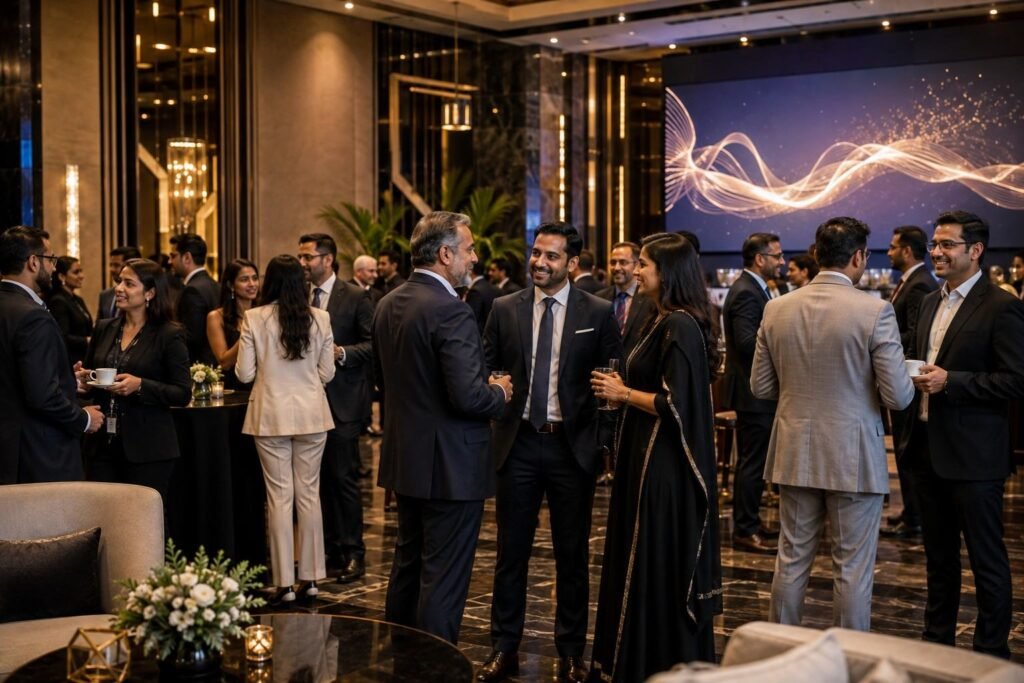
Corporate VIP event

A VIP guest’s experience can influence how they perceive the organisation behind the event. Small details can communicate how well a company understands its relationships and how carefully it handles important interactions. This does not mean every corporate VIP event needs to feel extravagant. In many cases, the strongest experience is relatively understated: the guest knows where to go, does not have to repeat information and receives the assistance they need at the right time.


Building Stronger Business Relationships

Corporate events often bring together people who already have an important relationship with the organisation or may become important to it in the future. A well-managed environment can make it easier for senior executives, clients and partners to interact without unnecessary distractions. A client at a product launch, for example, may value access to the right company representatives more than elaborate entertainment. The experience should support the business purpose of the event rather than compete with it.


Strengthening Brand Perception

Guests notice how an event is organised. Clear communication, smooth registration, attentive hospitality and well-timed programme transitions can create an impression of a company that is organised and considerate. The opposite can also happen. Long waiting times, unclear instructions, repeated changes or poor handovers between teams can become more memorable than the event content itself.


Making Important Guests Feel Recognised

VIP management should not mean creating unnecessary distance or making guests feel watched. The objective is to make them feel recognised in a natural way. This could mean assigning a dedicated host, arranging preferred seating, making a relevant introduction or ensuring that specific requirements have already been handled. The most effective VIP experience is personal without becoming excessive.

The Corporate VIP Experience Loop

A seamless VIP experience is easier to create when the event team looks at the guest journey as one connected process rather than a series of separate tasks. Invitation, arrival, hospitality, networking and departure may be handled by different people, but any gap between them can become visible to the guest. The Corporate VIP Experience Loop provides a simple way to connect those stages: Objective → Profile → Design → Coordinate → Deliver → Anticipate → Engage → Measure

  • Objective: Identify what the organisation wants the event to achieve. A VIP invitation could be intended to strengthen a client relationship, introduce a product, recognise a business partner or create an opportunity for senior-level networking. The objective should shape the experience that follows.
  • Profile: Understand who is attending and their relationship with the organisation. Relevant information may include role, arrival details, preferences, dietary requirements, accessibility needs and scheduling considerations.
  • Design: Map the experience before the event begins. Consider the invitation, confirmation, arrival, registration, movement through the venue, programme, networking and departure. This helps identify important gaps before they become event-day issues.
  • Coordinate: Assign clear responsibilities across registration, hospitality, venue operations, transport, production and client representatives. The guest should not have to manage the handoffs between these teams.
  • Deliver: On event day, the plan needs to translate into consistent execution. Timing, communication, hospitality and production should work together without making the guest aware of the activity happening behind the scenes.
  • Anticipate: VIP plans need enough flexibility to handle changes. A guest may arrive early, a meeting may run over, or a seating preference may change. The aim is not to predict every possible problem but to prepare for the situations most likely to affect the experience.
  • Engage: Create opportunities for meaningful interaction. This could include a relevant introduction, a private discussion, focused product conversation or senior-level networking.
  • Measure: Review attendance, waiting times, engagement, feedback and post-event interactions. These insights can help improve the planning of future events.

How to Create a Seamless VIP Guest Experience

A seamless VIP experience comes from making each important touchpoint simple and well planned. Guests should know where to go, who to approach and what to expect without having to ask repeatedly.


1. Understand the VIP Guest Profile

Start by understanding who is attending and what they may need. A senior client, investor, business partner or keynote speaker can have very different expectations. Information such as their role, arrival details, dietary or accessibility requirements, seating preferences and schedule can help the team prepare the right experience for each guest.


2. Design the Guest Journey Before the Event

Map the experience before the event begins, from invitation and confirmation to arrival, registration, networking, the main programme, departure and follow-up. This helps the team identify important details in advance, such as arrival timings, transport requirements, seating and movement around the venue. Clear signage and informed hosts can then make the journey easier on the day.


3. Make Arrival and Registration Effortless

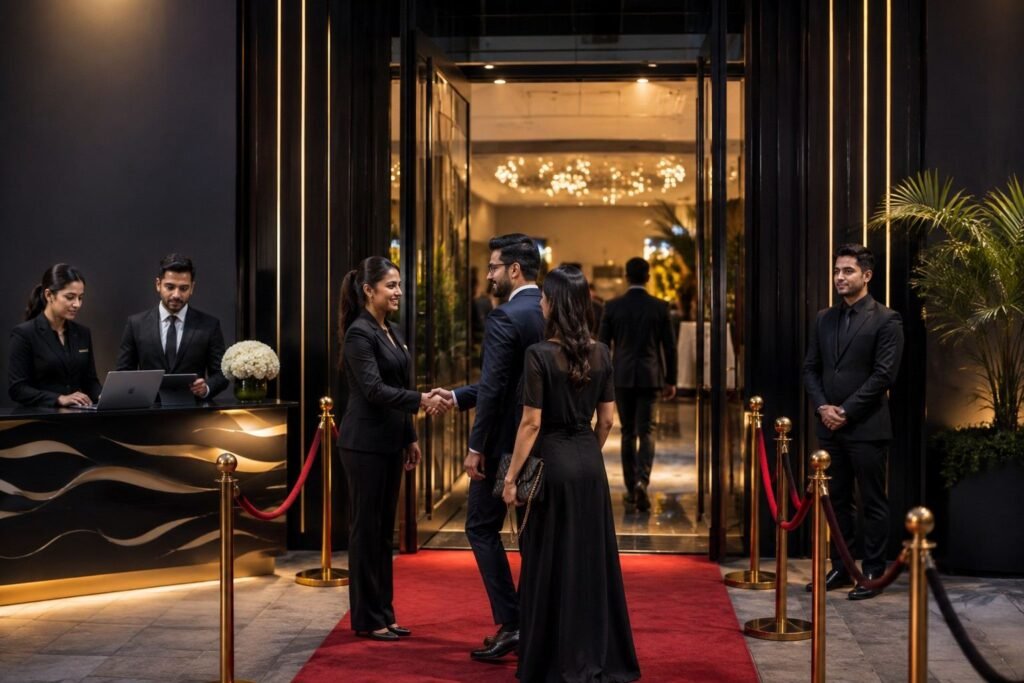
The arrival experience creates an immediate impression. VIP guests should not have to search for parking, wait in a general registration queue or explain their details to multiple people. Depending on the event, this could mean clear directions, dedicated registration, parking assistance, a welcome host or an escort to the required area.


4. Coordinate VIP Protocol and Event Logistics

VIP management usually involves hospitality, registration, transport, venue operations and production. Each team should know its responsibility and have access to the information it needs. A clear point of contact is also important when plans change during the event.


5. Personalise Hospitality Without Overdoing It

Good personalisation is usually about small, relevant details rather than elaborate arrangements. Knowing a dietary preference, preparing the right seating or making sure the appropriate person is available to welcome a guest can make the experience feel thoughtful. The aim is to be attentive without making the guest feel uncomfortable.


6. Integrate Event Production With the Guest Experience

Production can directly affect the VIP experience. Lighting, sound, screens, presentations and programme transitions all need to work smoothly. If a senior guest is presenting or entering during the programme, their briefing, stage movement and timing should be planned alongside the show flow rather than handled separately.


7. Create Meaningful Engagement

VIP guests should have opportunities to interact with people who are relevant to their reason for attending. This could include an introduction to a senior executive, a focused product discussion, a private conversation or senior-level networking. The quality of these interactions matters more than filling the schedule with activities.


8. Anticipate Potential Disruptions

Plans can change once the event begins. A guest may arrive early, a flight may be delayed, a meeting may run over, or a seating request may change. The team should have simple backup arrangements for situations that are likely to occur, allowing them to make adjustments without disrupting the rest of the event.


9. Extend the Experience After the Event

The experience should not end at the venue exit. A timely thank-you, relevant follow-up or brief feedback request can help continue the relationship. Departure arrangements also matter, so transport, directions and the final farewell should be planned with the same attention as the arrival.

Where VIP Guest Experiences Usually Break Down

Small operational gaps can have a noticeable effect on a VIP guest’s experience. The following are some of the most common friction points and how event teams can address them.

Common problem

Why it affects the experience

Better approach

Poor communication

Unclear arrival times, parking or venue instructions create uncertainty before the event even begins.

Provide clear, timely and relevant information before arrival.

General registration process

VIP guests may have to wait in the same queue as a large group of attendees.

Use assisted or dedicated registration where appropriate.

Disconnected teams

Hospitality, production and venue teams may work from different information.

Establish clear communication and shared event information.

Over-personalisation

Excessive attention can make some guests feel uncomfortable or watched.

Personalise the experience according to the guest’s preferences.

Production delays

Technical issues or programme delays can disrupt the guest experience.

Rehearse key transitions and coordinate production with guest management.

Poor departure planning

A confusing exit can undermine an otherwise well-managed experience.

Plan transport, directions and farewell arrangements in advance.

Generic follow-up

A standard message may feel disconnected from the relationship built during the event.

Use relevant, personalised post-event communication.

The key lesson is that VIP experience problems rarely come from one major failure. They usually occur when individual parts of the guest journey are planned separately. Connecting those touchpoints before the event makes the overall experience more consistent.


VIP vs Standard Guest Management

VIP guest management is not simply about providing more of everything. The real difference is the degree of planning and attention given to the individual guest journey. For a large corporate event, standard guest management usually needs to work efficiently at scale. Registration, communication, seating and hospitality are designed for a broad audience with broadly similar requirements. VIP management requires more flexibility because certain guests may have specific schedules, preferences, responsibilities or expectations.

Standard Guest Management

VIP Guest Management

Group-based planning

Individualised planning

General registration

Assisted or dedicated registration

Standard communication

Personalised communication

General seating

Planned seating based on the event objective

Shared hospitality

Preference-led hospitality

Open networking

Curated introductions and interactions

General assistance

Dedicated coordination when required

Standard follow-up

Relationship-focused follow-up

Not every VIP needs a separate room, private entrance or elaborate hospitality. The appropriate level of service depends on the guest and the purpose of the event. An executive may value a quiet meeting area, a client may want access to the product team, and a dealer may value recognition from senior management. The goal is to provide what is useful, not simply what appears luxurious.

How Technology Can Improve VIP Event Management
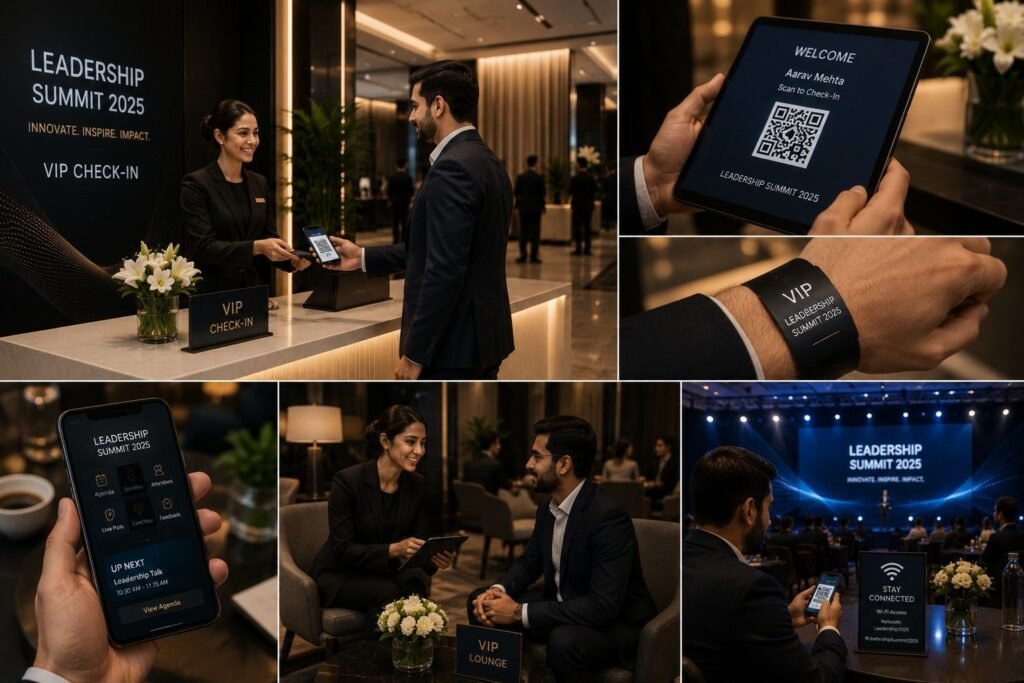
How Technology Can Improve VIP Event Management

Technology can make corporate VIP event management more efficient, but it should solve a specific problem rather than be added simply because it is available.


Before the Event: Digital RSVP and registration systems can help organisers maintain accurate guest information, confirm attendance and identify requirements such as arrival timings or dietary preferences. Keeping this information organised also helps hospitality and operations teams prepare before guests arrive.


During Arrival and Registration: Digital registration and credentials can reduce unnecessary waiting and make guest movement easier to manage. Event apps or mobile communication tools can also provide timely updates when schedules, meeting points or locations change.


Behind the Scenes: Technology can help different teams work from the same information. Shared guest data, real-time communication and coordinated schedules can connect hospitality, production, transport and venue teams that are responsible for different parts of the same guest journey.


After the Event: Feedback platforms and event analytics can help organisations understand what worked and where improvements are needed. Attendance patterns, guest feedback, response rates and engagement can provide useful information for future corporate VIP events.


Keep Technology in the Background: Technology should support the experience rather than become the experience. A QR code may make registration faster, but it does not replace a knowledgeable host who knows where a guest needs to go next. An event app can provide information, but it cannot replace thoughtful hospitality. The most effective approach is to use technology to remove friction while keeping human interaction at the centre of the experience.

How to Measure the VIP Guest Experience

A successful VIP event should be evaluated by more than attendance numbers or whether the programme stayed on schedule. The right metrics depend on the original objective. If the purpose is to strengthen client relationships, post-event engagement may be more meaningful than attendance. If the event focuses on executive networking, the quality of relevant interactions may matter more than the number of conversations. Useful metrics include:

  • VIP attendance rate: How many confirmed VIP guests attended?
  • Arrival and registration time: Did guests experience unnecessary waiting?
  • Guest satisfaction: How did VIPs rate the experience and hospitality?
  • Engagement: Did guests participate in relevant programmes or networking opportunities?
  • Operational issues: Were there recurring problems with seating, transport or hospitality?
  • Post-event engagement: Did guests respond to follow-up communication?
  • Relationship outcomes: Did the event contribute to stronger client or partner relationships?


Qualitative feedback is equally useful. A short conversation with an important client may reveal an issue that a numerical survey would not capture. Measurement should help the team understand what guests valued and what should change next time.

Corporate VIP Event Management Checklist

A practical checklist helps the event team turn the guest experience plan into clear actions. The focus should be on the touchpoints that can affect the VIP journey without making the planning process unnecessarily complicated.

Stage

What to Check

Key Considerations

Before the Event

Guest list and objectives

Confirm VIP guests, event purpose, RSVPs and individual requirements.

Guest Preparation

Preferences and communication

Confirm arrival details, dietary or accessibility needs and share relevant information with the right teams.

Arrival

Parking and welcome

Review arrival routes, parking, welcome arrangements and guest assistance.

Registration

Check-in process

Ensure VIP guests can register efficiently without unnecessary waiting.

Venue

Seating and movement

Confirm VIP seating, hospitality areas, meeting spaces and movement between key areas.

Production

Technical setup

Test sound, lighting, screens, presentations and other production requirements.

Rehearsal

Programme and transitions

Check timings, speaker movements and coordination between production and hospitality teams.

Event Execution

VIP coordination

Assign clear responsibility for guest assistance and last-minute changes.

Contingency

Unexpected changes

Prepare for late arrivals, schedule changes, seating adjustments and other likely disruptions.

Departure

Exit and transport

Coordinate transport, directions and a smooth farewell.

Post-Event

Follow-up and feedback

Send relevant follow-up communication, collect feedback and review what can be improved.

The most useful checklist is not the longest one. It is the one that makes responsibility clear and helps the team identify potential friction before guests encounter it.

Conclusion

A successful corporate VIP event is not defined by how much luxury is added to the venue. It is defined by how thoughtfully the experience is planned and how smoothly the important touchpoints work together. From the first invitation to arrival, hospitality, networking, event production, departure and follow-up, each interaction contributes to how a guest remembers the event and the organisation behind it. Effective corporate VIP event management comes down to understanding the guest, planning for likely changes and giving the right people clear responsibility for each part of the experience. When these details are connected to a clear business objective, VIP treatment becomes more than hospitality. It becomes a practical way to strengthen relationships, support meaningful engagement and create a corporate event experience that feels considered from beginning to end.

FAQs

1. What is corporate VIP event management?

Corporate VIP event management is the planning and coordination of events involving high-priority guests such as executives, CXOs, key clients, investors, partners or dignitaries. It covers guest planning, hospitality, logistics, protocol, event production and follow-up to create a well-coordinated experience.

It can include guest profiling, invitations and RSVP management, arrival coordination, registration, seating, hospitality, networking, transport, protocol, event production, contingency planning and post-event follow-up. The exact requirements depend on the purpose of the event and the expectations of its guests.

Start by understanding the guest and the purpose of their attendance. Then map the journey from invitation to departure, coordinate the teams involved, personalise relevant touchpoints and prepare for potential disruptions. A seamless experience comes from removing unnecessary friction rather than adding excessive services.

VIP guests should be managed through clear pre-event communication, accurate guest information, coordinated arrival and registration, appropriate hospitality and dedicated assistance where required. The guest-management team should also remain connected with venue, production and other operational teams throughout the event.

The welcome should be planned around the guest’s arrival details and preferences. Clear directions, an informed host, efficient registration and appropriate assistance can make the first interaction comfortable. The approach should feel attentive without becoming intrusive.

Standard guest management is generally designed to serve a larger audience efficiently, while VIP management allows more individual planning. VIP guests may require personalised communication, dedicated assistance, specific seating, curated networking or other arrangements based on their role and the purpose of the event.

Technology can simplify RSVP management, digital registration, guest communication, credentials, event updates and feedback collection. It can also help different event teams work with consistent guest information. However, technology should support human hospitality rather than replace it.

VIP satisfaction can be evaluated through direct feedback, guest surveys, arrival and registration times, participation, hospitality feedback, post-event engagement and relationship outcomes. The most useful metrics depend on the original objective of the corporate event.

VIP planning should ideally begin as soon as the event objectives and approximate VIP list are known. For larger corporate events, 8–12 weeks in advance generally provides enough time to confirm guest requirements, arrival arrangements, seating, hospitality, protocol and networking plans. Events involving international travel, senior dignitaries or more complex protocol may require additional lead time.

VIP guests should have a clearly assigned point of contact rather than being managed informally by several teams. Depending on the event, this may be a dedicated VIP manager, guest-relations lead or senior hospitality representative. This person should remain connected with registration, hospitality, transport, venue operations, production and the client team. Clear ownership helps prevent repeated requests, conflicting information and uncertainty about who is responsible for assisting the guest.