Why Conference Registration Matters for Event Success

Conference registration is more than a sign-up process; it’s the foundation of a successful event. A well-managed registration system helps organisers forecast attendance, plan budgets, improve the attendee experience, support sponsors, and make informed decisions throughout the conference lifecycle. Many organisers think of registration as an administrative task, but every completed registration represents someone who has chosen to invest their time in your event. A smooth registration experience builds trust from the very beginning, while a confusing process can discourage potential attendees before they even reach the venue.
Here’s why conference registration plays such an important role in event success.
1. It Helps You Plan with Confidence
Registration data provides an early picture of expected attendance, helping organisers make informed decisions about venue capacity, catering, staffing, seating arrangements, conference materials, and overall event logistics. For example, if registrations exceed expectations, you can increase capacity or add resources early. If registrations are slower than planned, you still have time to strengthen your marketing efforts before the event.
2. It Creates the First Impression
For most attendees, the registration page is their first interaction with your conference. A simple registration process, transparent pricing, and instant confirmation create confidence and professionalism. On the other hand, long forms, technical issues, or unclear event details can reduce trust and lead to abandoned registrations. A great attendee experience begins long before the opening session begins with registration.
3. It Supports Better Budgeting and Sponsor Planning
Registration numbers help estimate revenue, manage expenses, and allocate resources more effectively. They also give sponsors and exhibitors a clearer understanding of expected attendance and audience demographics, making sponsorship packages more valuable and strengthening long-term partnerships.
4. It Improves Event Personalisation
Modern registration systems collect valuable attendee information such as job roles, industries, session preferences, dietary requirements, accessibility needs, and networking interests. These insights help organisers personalise the conference experience, prepare resources more accurately, and deliver a smoother event for every attendee.
5. It Strengthens Marketing Decisions
Registration analytics reveal which marketing channels generate the most registrations, when demand starts to slow, and which campaigns deliver the best return on investment. Instead of relying on assumptions, organisers can use this data to optimise future marketing campaigns and attract the right audience more efficiently.
6. It Makes Event-Day Operations Smoother
Accurate registration data simplifies badge printing, speeds up check-in, reduces queues, and helps staff manage attendees more efficiently. It also ensures that workshop selections, accessibility requests, and special requirements are prepared before guests arrive. When registration is organised well, the event itself runs more smoothly.
7. It Provides Insights for Future Conferences
The registration journey doesn’t end after attendees sign up. Confirmation emails, reminders, event updates, and post-event feedback all contribute to the overall attendee experience. After the conference, analysing registration data, attendance rates, and attendee feedback helps identify what worked well and where improvements can be made for future events.
The 15 Conference Registration Best Practices That Actually Increase Attendee Sign-Ups

A successful conference registration campaign doesn’t start when registrations go live it starts much earlier. The planning, strategy, and attendee experience you create before launch often determine how many people ultimately register. Instead of relying on last-minute promotions, successful event organisers focus on building a smooth registration journey from start to finish. From understanding your audience and choosing the right registration platform to creating a compelling landing page and encouraging early sign-ups, every step plays a role in improving conversions. To make things easier, we’ve grouped these best practices into three stages of the attendee journey: Before Registration Opens, During Registration, and After Registration.
Phase 1: Before Registration Opens
The work you do before registrations open lays the foundation for your entire campaign. A little planning at this stage can help you attract the right audience, improve conversions, and avoid common registration challenges later.
1. Know Exactly Who You’re Trying to Attract
One of the biggest mistakes conference organisers make is trying to appeal to everyone. While it may seem like the best way to maximise registrations, generic messaging rarely connects with potential attendees. Instead, define your ideal audience before creating your registration page or marketing campaign. Think about their industry, job role, experience level, business challenges, and what they hope to gain from attending. For example, a technology conference for CIOs should focus on executive networking, leadership insights, and industry trends. A conference for software developers, however, should highlight technical workshops, product demonstrations, and hands-on learning. When your speakers, agenda, pricing, and messaging match your audience’s expectations, your event becomes far more relevant, and people are much more likely to register.
2. Set Clear Registration Goals Before Launch
Getting more registrations is an important objective, but it shouldn’t be your only goal. Before registrations open, decide what success looks like for your conference and identify the metrics you’ll use to measure it. Along with tracking total registrations, pay attention to early bird ticket sales, registration page conversion rates, paid versus complimentary registrations, returning attendees, and the revenue generated from ticket sales. Looking at these metrics together gives you a much clearer picture of how your campaign is performing than attendance numbers alone. It’s equally important to review your progress regularly. Breaking your goals into weekly or monthly milestones makes it easier to spot trends and identify opportunities to improve. If registrations begin to slow or a particular marketing strategy isn’t delivering the expected results, you can make adjustments early rather than waiting until the campaign is over.
3. Choose the Right Conference Registration Platform
Your registration platform is often the first interaction attendees have with your conference, so it should create a positive experience from the very beginning. A platform that’s slow, difficult to navigate, or unreliable can frustrate potential attendees and cause them to leave before completing their registration. On the other hand, a smooth and intuitive registration process builds confidence and makes signing up feel effortless. When comparing registration platforms, look beyond the basics. Features such as mobile-friendly registration, secure online payments, multiple ticket options, automated confirmation emails, QR code check-in, CRM integration, and real-time reporting can make a significant difference for both attendees and organisers. Choosing the right platform not only improves the registration experience but also saves your team time by simplifying event management and reducing manual work.
4. Create a Registration Landing Page That Sells the Experience
Your registration page should do much more than collect attendee details. It should give visitors enough information and confidence to decide that your conference is worth attending. Before asking someone to register, make sure the page clearly explains what the conference is about, who it’s designed for, what attendees will learn, who the speakers are, how much it costs, and what makes the event different from similar conferences. A well-designed landing page should also include a clear conference overview, the key benefits of attending, agenda highlights, speaker profiles, venue or virtual event details, ticket options, testimonials from previous events, answers to frequently asked questions, and an easy-to-find registration button. Keeping the page clean, well organised, and easy to scan helps visitors quickly find the information they need, making them far more likely to complete their registration.
5. Create an Early Bird Registration Strategy
Many people postpone registering not because they aren’t interested, but because they don’t feel any urgency to act. An early bird registration strategy encourages attendees to commit sooner by offering additional value for registering before a specific deadline. While discounted ticket prices are the most common incentive, you can also reward early registrations with benefits such as priority access to workshops, reserved networking sessions, exclusive conference resources, VIP experiences, or bonus digital content. Whatever incentive you choose, be transparent about the deadline and promote it consistently across your website, email campaigns, and social media. Encouraging people to register early not only builds momentum for your event but also gives you a clearer idea of expected attendance, making it easier to plan budgets, organise logistics, and demonstrate strong interest to sponsors.
Phase 2: During Registration
Once registrations are open, your priority is simple: make it as easy as possible for people to sign up. Every extra step, confusing form field, or technical issue increases the chances of someone leaving without completing their registration. Here are the best practices that help create a smooth, hassle-free registration experience.
6. Keep the Registration Form Simple
A long registration form can quickly discourage potential attendees. People are more likely to complete their registration when the process is fast and straightforward. Only ask for information that’s essential at this stage, such as their name, email address, organisation, ticket type, and payment details. Additional information like dietary preferences or session selections can always be collected later through follow-up emails or your event app. Before publishing your form, review every field and ask yourself one question: “Do we really need this information now?” If the answer is no, remove it. A shorter form creates a better user experience and often leads to higher completion rates.
7. Optimise the Registration Experience for Mobile Users
Many people first come across conferences while checking their emails, scrolling through social media, or browsing search results on their phones. If your registration page isn’t designed for mobile users, you could lose potential attendees before they even reach the payment page. A responsive layout, readable text, easy-to-tap buttons, fast loading speeds, short registration forms, and secure mobile payment options all contribute to a smoother experience. Before registrations go live, test the entire process on different devices, not just a desktop. A page that works perfectly on a laptop may feel frustrating on a smartphone if it loads slowly or the buttons are difficult to tap. Making registration quick and hassle-free on mobile allows people to sign up whenever it’s convenient, whether they’re travelling, commuting, or taking a short break between meetings.
8. Build Trust Before Asking People to Register
People don’t sign up for a conference simply because it’s available. They register when they feel confident that the event will be worth their time and investment. That’s why your registration page should build trust before asking visitors to commit. Showcase the elements that reassure potential attendees, such as your speakers and their expertise, the conference agenda, testimonials from previous events, sponsor or partner logos, awards, transparent pricing, your cancellation policy, and clear contact details. When people can see that your event is credible and professionally organised, they’re much more likely to complete their registration.
9. Offer Flexible Ticket and Payment Options
Not every attendee has the same budget, schedule, or reason for attending. Offering a variety of ticket options makes your conference accessible to a wider audience and gives people the flexibility to choose what suits them best. Depending on your event, this could include early bird tickets, standard passes, group discounts, student pricing, VIP experiences, single-day passes, or virtual attendance for hybrid conferences. Be clear about what’s included with each ticket and avoid surprising attendees with hidden charges during checkout. If you’re expecting international participants, supporting multiple payment methods and currencies can also make registration much easier. A transparent and flexible payment process helps build confidence and reduces the chances of abandoned registrations.
10. Remove Anything That Creates Registration Friction
Sometimes it’s the smallest obstacles that stop someone from completing their registration. A long loading time, confusing navigation, hidden fees, technical issues, unclear ticket descriptions, or a complicated payment process can all discourage attendees from finishing the sign-up process. Take the time to go through your registration journey from start to finish before launching it. Even better, ask someone who hasn’t seen the page before to test it and share honest feedback. Fresh eyes often spot problems that your team has overlooked. The easier and more intuitive the process feels, the more likely visitors are to complete their registration.
11. Automate Confirmation and Pre-Event Communication
Registration shouldn’t end the moment someone clicks the “Register” button. A confirmation email sent immediately after registration reassures attendees that everything has been processed successfully and gives them the information they need to prepare for the event. It should include their registration details, payment confirmation if applicable, the event date and venue, a calendar invitation, a digital ticket or QR code, support contact details, and clear next steps. As the conference approaches, stay in touch with attendees by sharing useful updates rather than sending repetitive reminders. Speaker announcements, agenda changes, networking opportunities, travel information, venue maps, and event app instructions all help keep attendees engaged and excited. Regular communication keeps your conference top of mind and reduces the chances of people forgetting about the event.
Phase 3: After Registration
Many organisers assume their work is done once someone registers, but the period between registration and event day is just as important. Staying connected with attendees, delivering a smooth arrival experience, and reviewing your results afterwards all contribute to a more successful conference and provide valuable insights for future events.
12. Keep Attendees Engaged Until Event Day
People often register weeks or even months before a conference, and it’s easy for their excitement to fade if they don’t hear from you again. Instead of sending the same reminder email repeatedly, keep attendees engaged by sharing updates that genuinely add value. New speaker announcements, agenda changes, networking opportunities, venue maps, travel tips, sponsor highlights, event app instructions, and answers to common questions all help build anticipation while reminding attendees why they chose to register.
13. Prepare for a Smooth Check-In Experience
An attendee’s experience begins the moment they arrive at the venue, not when the first session starts. Long queues, confusing directions, or slow registration desks can create unnecessary frustration before the event has even begun. Planning can make check-in much faster and more organised. Sending QR codes or digital tickets in advance, printing badges beforehand where possible, creating separate check-in counters for speakers, exhibitors, VIPs, and general attendees, placing staff in key locations, and using clear signage all help attendees get settled quickly. A smooth check-in process creates a positive first impression and allows everyone to focus on networking and learning instead of waiting in line.
14. Track the Right Registration Metrics
The total number of registrations only tells part of the story. To understand how well your registration strategy is performing, you need to look beyond attendance numbers and analyse the data behind them. Metrics such as registration conversion rate, abandonment rate, early bird registrations, cost per registration, email engagement, check-in rate, and attendee satisfaction can reveal what’s working and where improvements are needed. Reviewing these KPIs regularly helps you make informed decisions throughout your campaign. Sometimes even small changes, like simplifying a registration form or improving your email communication, can have a noticeable impact on future registration performance.
15. Review and Improve for Your Next Conference
Every conference provides an opportunity to learn and improve. Once the event is over, take time to review your registration performance and gather feedback while the experience is still fresh. Look at which marketing channels generated the most registrations, where people dropped out of the registration process, which ticket types were most popular, how many registered attendees actually checked in, and what feedback attendees shared about the registration experience. Documenting these insights helps you identify what worked well and what could be improved. Over time, these lessons make it easier to refine your registration strategy, create a better attendee experience, and achieve even stronger results at future conferences.
How to Optimize Your Conference Registration Landing Page for Maximum Sign-Ups
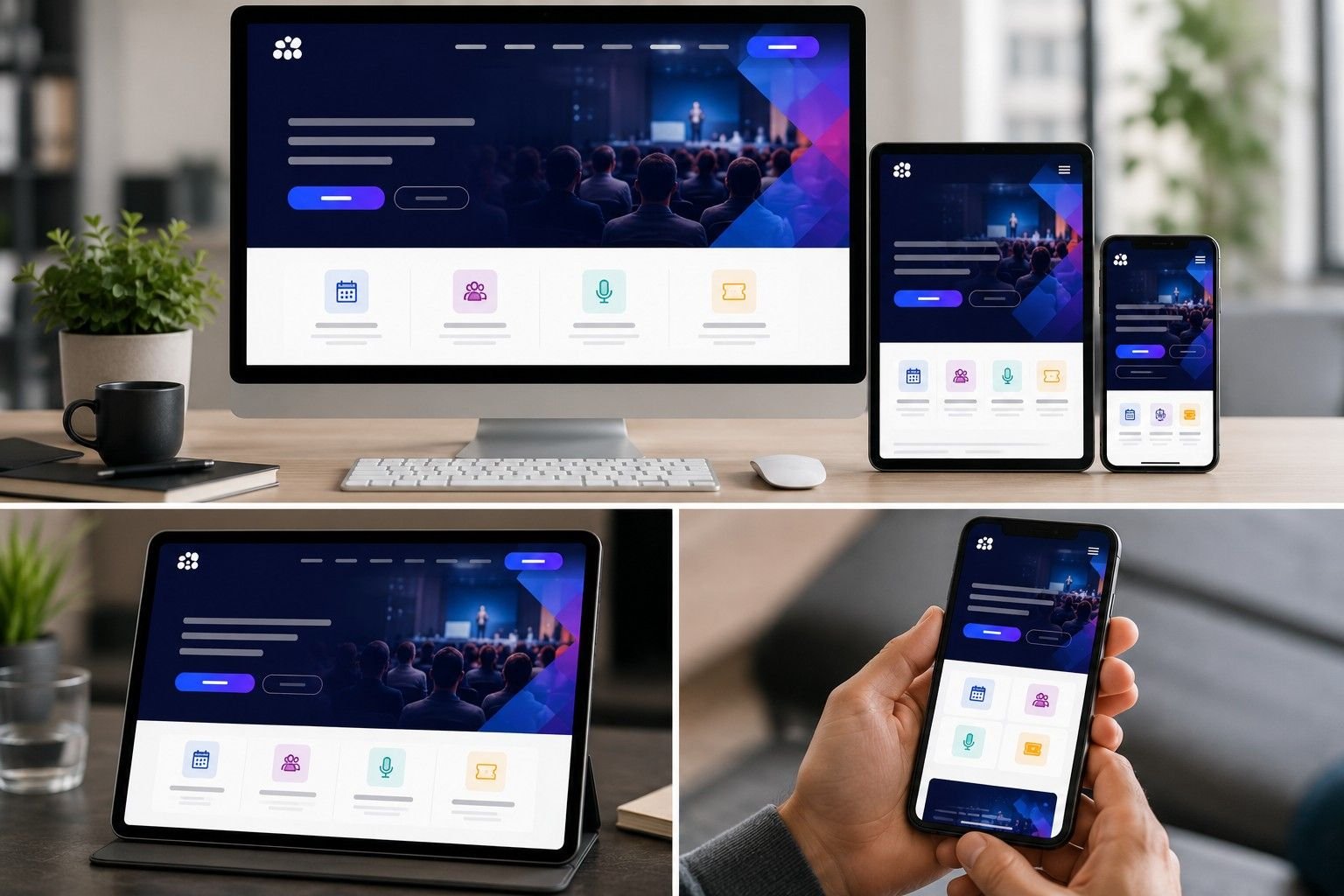
Your conference registration landing page has one primary objective: turning interested visitors into registered attendees. Even if your marketing campaign attracts thousands of visitors, a poorly designed landing page can significantly reduce registrations. Rather than overwhelming visitors with information, your landing page should guide them naturally from learning about the event to completing their registration. Every element should reduce uncertainty and make the next step obvious.
1. Make Your Value Proposition Immediately Clear
When someone lands on your registration page, you have only a few seconds to capture their attention. Visitors should be able to understand what your conference is about, who it’s designed for, and why it’s worth attending without having to scroll through long paragraphs. A clear headline paired with a short introduction should quickly communicate the main benefit of attending and what makes your event different. If people immediately see the value your conference offers, they’re much more likely to continue exploring the page and complete their registration.
2. Organise Information in a Logical Flow
A well-designed landing page should answer attendees’ questions in the same order they’re likely to ask them. Start by introducing the conference, then explain the benefits of attending before showcasing your speakers, agenda, ticket options, and other important details. Towards the end of the page, include answers to common questions and a clear call to action. Presenting information in a logical sequence helps visitors make confident decisions without having to search around the page for the details they need.
3. Keep Registration Easy to Find
Once someone decides they want to attend, registering should be effortless. Your registration button shouldn’t appear only once at the top or bottom of the page. Instead, place it in multiple locations so visitors can sign up as soon as they’re ready. Using clear, action-oriented text such as “Register Now,” “Secure Your Seat,” or “Reserve Your Spot” also makes the next step obvious. Removing unnecessary scrolling or searching creates a smoother experience and can improve your registration rate.
4. Reduce Decision Fatigue
Too many choices or too much information can make visitors hesitate instead of taking action. If your page is crowded with lengthy text, multiple ticket options, or unnecessary design elements, people may feel overwhelmed and leave without registering. Keep the content concise, break information into easy-to-read sections, highlight the most important details, and avoid unnecessary distractions. A clean, focused landing page helps visitors stay engaged and makes the decision to register much easier.
5. Answer Common Questions Before Visitors Leave
Many people don’t register straight away because they still have a few unanswered questions. Rather than expecting them to contact you or search elsewhere, answer those questions directly on the registration page. Include practical information about who should attend, what’s included with the ticket, cancellation policies, venue details, virtual attendance options if available, and how attendees can get in touch if they need support. Addressing common concerns upfront builds confidence and removes barriers that might otherwise delay registration.
6. Monitor Landing Page Performance
Creating your registration page isn’t the final step. Once it’s live, regularly review how it’s performing so you can identify opportunities to improve it. Pay attention to metrics such as conversion rate, bounce rate, call-to-action clicks, registration completion rate, and the amount of time visitors spend on the page. These insights can help you understand how people interact with your landing page and highlight where small improvements could lead to more completed registrations over time.
How to Reduce Conference Registration Abandonment and Increase Completed Sign-Ups
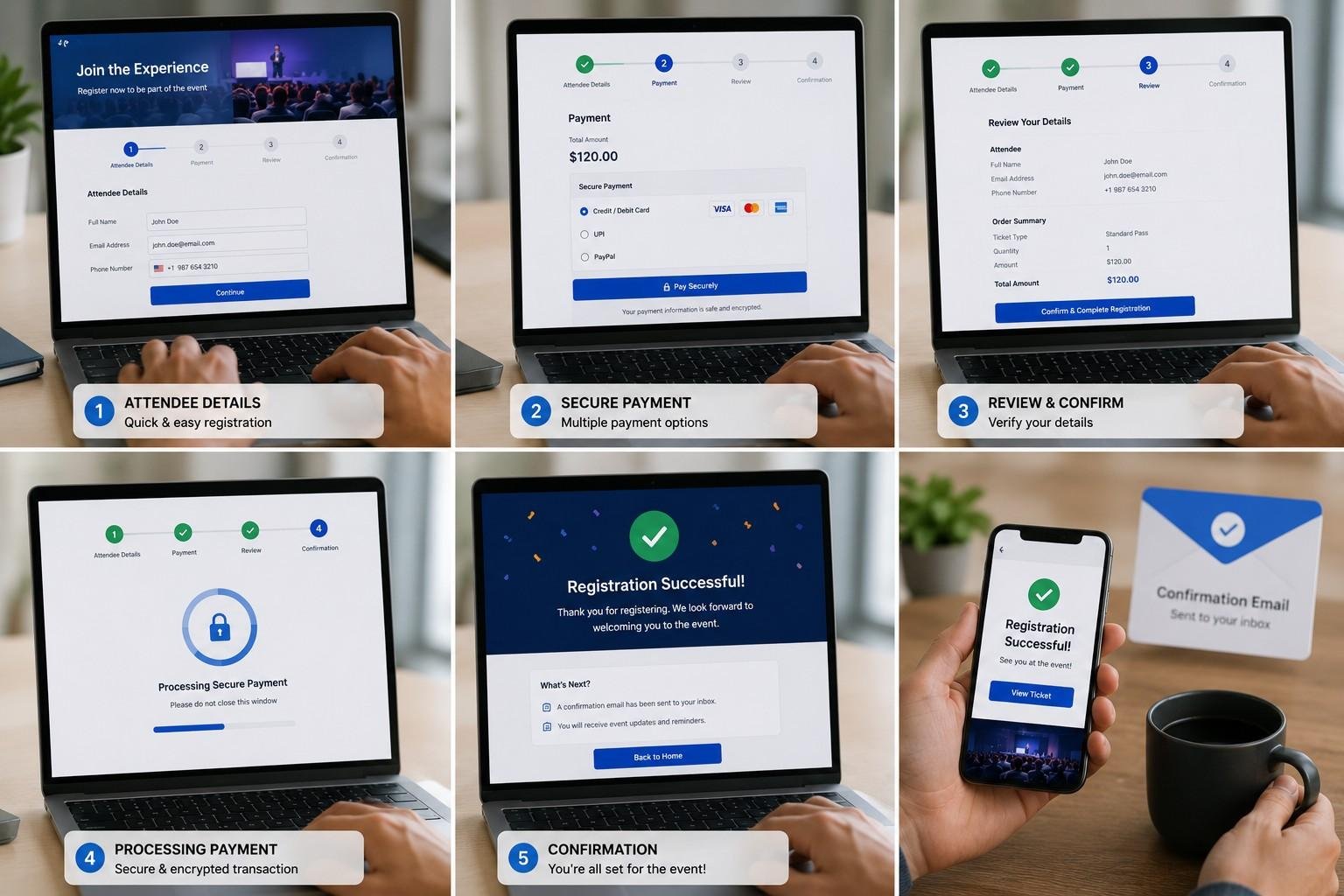
Registration abandonment occurs when potential attendees begin the registration process but leave before completing it. A high abandonment rate doesn’t necessarily indicate low interest; it often highlights obstacles that prevent visitors from finishing their registration. Improving completion rates starts with understanding where attendees drop off and removing unnecessary friction throughout the registration journey.
1. Identify Where Visitors Leave
Before trying to fix registration abandonment, find out exactly where people are dropping off. Instead of guessing, review your analytics to see which stage of the registration journey is causing the most friction. Some attendees may leave while choosing a ticket, others may abandon the registration form, and some might exit during the payment or confirmation stage. Once you know where visitors are leaving, you can make targeted improvements instead of changing the entire registration process unnecessarily.
2. Minimise the Number of Steps
The longer and more complicated the registration process feels, the more likely people are to leave before completing it. Every additional page or action gives attendees another opportunity to change their minds or get distracted. Wherever possible, keep the journey simple by combining related steps, removing unnecessary pages, avoiding mandatory account creation, and using progress indicators for multi-step forms. A shorter, more straightforward registration process makes it easier for people to reach the finish line.
3. Eliminate Last-Minute Surprises
Few things discourage attendees more than unexpected costs or unclear information just before payment. If visitors suddenly discover additional fees or aren’t sure what’s included in their ticket, they’re much more likely to abandon their registration. Be transparent from the beginning by clearly displaying ticket prices, any taxes or service charges, what’s included with each ticket, and your cancellation or refund policy. When people know exactly what to expect, they’re more likely to complete their purchase with confidence.
4. Simplify the Payment Process
Even someone ready to attend your conference may give up if paying feels complicated. The checkout process should be quick, secure, and easy to understand, with familiar payment options that attendees already trust. If you’re welcoming participants from different countries, offering multiple payment methods and currencies can make the process even more convenient. Removing unnecessary steps at this stage helps reduce friction and improves the chances of completing the registration.
5. Recover Abandoned Registrations
Not everyone who leaves your registration page has decided not to attend. In many cases, people simply get interrupted, need approval from their organisation, or want a little more time before making a decision. A timely follow-up can often bring these visitors back. Sending reminder emails, announcing new speakers, sharing agenda updates, highlighting early bird deadlines, or running last-chance registration campaigns can encourage them to return and complete their registration before it’s too late.
6. Review Abandonment Trends Regularly
Registration behaviour can change throughout your campaign, so it’s important to monitor performance regularly instead of reviewing it only after registrations close. Keep an eye on metrics such as abandonment rate, form completion rate, payment success rate, device performance, and traffic source performance. Looking at these trends over time helps you spot recurring issues, understand what’s working, and make informed improvements that can increase completed registrations for both your current event and future conferences.