Understanding Exhibition Stall Fabrication – Complete Beginner’s Guide
What is Exhibition Stall Fabrication?
Exhibition stall fabrication is the complete process of converting a brand’s marketing concept into a physical booth structure that is ready to be displayed inside an exhibition or trade show environment. It is not simply about building walls or placing graphics; it is about creating a carefully planned brand experience that communicates business identity, product value, and marketing message in a natural way. At its core, exhibition stall fabrication combines three important disciplines: engineering precision, design creativity, and marketing psychology. When these three elements work together, the final booth becomes more than a display space. It becomes a communication platform where brands can interact directly with potential customers. Modern exhibition marketing is highly competitive. Thousands of visitors walk through exhibition halls every day, and only the most thoughtfully designed stalls manage to capture attention within a few seconds. That is why professional fabrication is considered a strategic marketing investment rather than just a construction activity.
Why Exhibition Stall Fabrication Matters for Businesses
Every business participates in exhibitions with a specific objective. Some companies want to introduce new products to the market, while others focus on improving brand recognition or generating direct sales opportunities. Exhibition stall fabrication plays a key role in achieving these goals by creating a space that supports marketing communication. A well-designed stall helps visitors understand the brand quickly without needing long explanations from sales representatives. Trade show environments are usually crowded and fast-moving. Visitors decide whether to enter a booth within moments of seeing it. Because of this behaviour pattern, stall design must focus on instant visual clarity, professional presentation, and comfortable exploration space.
The Concept Behind “From Concept to Show Floor”
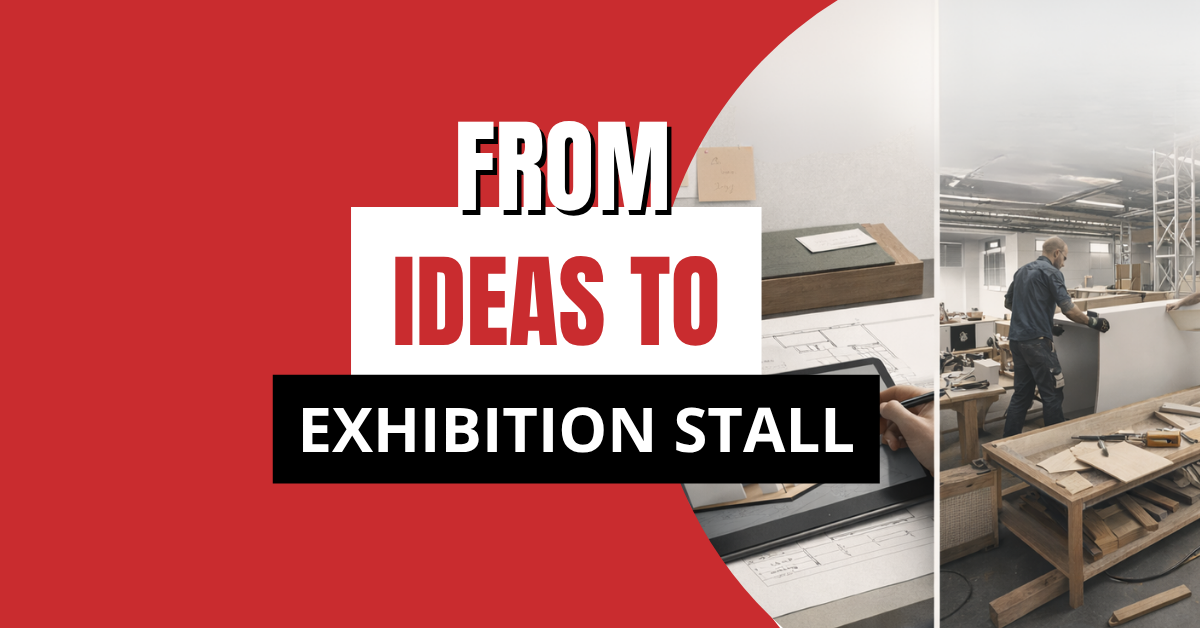
The phrase “from concept to show floor” represents the complete exhibition stall development journey. It begins with a simple marketing idea and gradually transforms into a physical structure ready for visitor interaction. The process starts with brand story analysis, client requirement understanding, and exhibition objective planning. Designers then convert these ideas into visual layouts, structural drawings, and 3D models before fabrication begins. This systematic transformation ensures that the final booth reflects the brand’s marketing strategy instead of looking like a random decorative installation.
Modern Exhibition Stall Fabrication Trends
Traditional exhibition stalls were mostly built using basic wooden structures and printed graphics. However, modern exhibition booth fabrication has evolved significantly with technology integration and experience-driven design. Today, brands prefer intelligent layouts that support visitor interaction. Digital screens, product demonstration zones, and touch-based information systems are commonly used inside exhibition stalls. Human psychology also plays an important role in modern booth design. People are naturally attracted to balanced lighting, open spaces, and visually meaningful branding elements. That is why contemporary exhibition stall fabrication focuses more on user experience than excessive decoration.
How Exhibition Stall Design Influences Visitor Behavior
The success of an exhibition booth is not measured by its size but by how effectively it engages visitors. People usually avoid crowded or confusing spaces. If a booth feels cluttered or difficult to navigate, visitors tend to leave quickly. Professional fabrication teams design stall layouts in a way that guides visitors naturally from the entrance zone to product display areas and discussion corners. Comfort is also important. Proper lighting temperature, seating areas for business conversations, and clean visual organization help create a professional business atmosphere inside the exhibition stall.
Role of Marketing Strategy in Stall Fabrication
Exhibition stall fabrication is closely connected to marketing strategy. The booth design should support brand storytelling and product communication. Important brand messages are placed in high-visibility zones so visitors can quickly understand the company’s offerings. Instead of overcrowding the stall with text, modern design focuses on impactful visuals and short, meaningful communication elements.
Quick Answers – Behind the Exhibition Stall Fabrication Process
How are exhibition stalls fabricated?
Exhibition stalls are fabricated through a structured workflow that starts with understanding client objectives, followed by design development, material selection, workshop production, and final on-site installation. The goal is to create a physical booth that represents the brand professionally while ensuring visitor engagement and structural safety.
How long does exhibition stall fabrication take?
The fabrication timeline usually ranges from two weeks to two months depending on design approval speed, booth size, customization level, and event deadline. Simple modular stalls may require less time compared to highly customized exhibition structures.
What materials are used in exhibition booth construction?
Common materials include lightweight aluminum frameworks, MDF or plywood panels, acrylic surfaces, fabric graphics, and LED lighting systems. The choice of material depends on design complexity, budget, transportation requirements, and exhibition regulations.
Why is stall fabrication important for exhibitions?
Professional fabrication ensures brand visibility, visitor comfort, marketing effectiveness, and structural reliability. A well-built stall helps businesses stand out in crowded exhibition halls and improves lead generation potential.
What is included in fabrication services?
Fabrication services typically include structural construction, printing, branding installation, electrical setup, quality testing, transportation coordination, and on-site assembly assistance.
Concept Planning and Requirement Understanding – Building the Foundation of Exhibition Stall Fabrication
Importance of Concept Planning in Exhibition Stall Design
Concept planning is the most important starting point of exhibition stall fabrication because it defines the direction of the entire project. Without a clear concept, even the most technically advanced booth structure may fail to communicate the brand message effectively. During this stage, designers and clients work together to understand what the brand truly wants to achieve from the exhibition participation. Some businesses focus on product promotion, while others prioritize brand awareness, networking opportunities, or direct lead generation. The design concept must reflect these marketing objectives in a natural and meaningful way. A strong concept acts as a roadmap for the fabrication process. It ensures that creativity, engineering, and marketing strategy move in the same direction rather than working independently.
Understanding Client Requirements and Business Objectives
Requirement understanding goes beyond visual preferences. Professional exhibition stall fabrication teams spend time analyzing target customers, business goals, and product positioning before developing design ideas. The design discussion usually covers important questions such as: What products will be displayed? Who is the target audience? What message should the brand communicate inside the exhibition hall? How should visitors interact with the booth? Visitor interaction style is especially important. Some brands prefer a consultation-based booth where sales representatives engage visitors in conversation, while others prefer product demonstration zones where visitors can explore features independently. For example, a technology company may require digital screens, interactive interfaces, or live product simulation areas. Meanwhile, industrial or manufacturing brands may prioritize strong product display platforms and structural presentation zones.
Space Analysis and Exhibition Venue Planning
Every exhibition hall has different structural layouts, traffic movement directions, and space limitations. That is why space analysis is a critical part of the concept planning phase. Professional designers measure booth dimensions carefully and plan the stall structure in a way that allows comfortable visitor movement. The goal is to avoid overcrowded spaces because visitors naturally prefer environments that feel open and easy to explore. Competitor stall analysis is also performed during this stage. Understanding how other brands are presenting themselves inside the exhibition helps designers create a unique and more impactful booth identity. Event theme guidelines provided by exhibition organizers must also be considered. Some exhibitions have colour restrictions, structural height limitations, or branding rules that must be followed.
Functionality Planning – Beyond Visual Appearance
Modern exhibition stall fabrication focuses heavily on functionality rather than decoration alone. Businesses usually require multiple operational zones inside the booth. These may include product showcase areas, discussion tables, storage compartments, and sometimes digital experience corners. Functional planning ensures that the stall is not only attractive but also practical for business operations during the exhibition. For example, storage space is essential for keeping product samples, marketing materials, or personal belongings of staff members.
Budget Planning and Feasibility Discussion
Budget plays a major role in determining design complexity and material selection. High-quality exhibition stall fabrication aims to balance creativity with financial feasibility. Designers provide multiple solution options depending on investment capacity. Material quality, lighting systems, structural engineering, and technology integration are adjusted according to project budget without compromising brand visibility and professional presentation. Smart fabrication planning focuses on optimizing resources. Instead of using expensive decorative elements everywhere, modern design emphasizes strategic placement of premium visual components.
Importance of Clear Communication in Concept Development
Miscommunication during the concept stage can lead to expensive design changes later in the fabrication process. That is why professional teams maintain continuous client interaction throughout the planning phase. Once the concept is approved, the project moves toward visualization and technical blueprint preparation. This step converts marketing ideas into measurable design specifications that can be used for 3D modelling and workshop fabrication. Proper concept planning ensures smooth workflow execution from initial idea discussion to final show floor installation. It helps create exhibition stalls that are visually attractive, functionally efficient, and strategically aligned with business marketing goals.
3D Visualization, Design Engineering, and Approval Stage – Turning Ideas Into Digital Reality
Role of 3D Visualization in Exhibition Stall Fabrication
After the concept planning stage is completed, the exhibition stall fabrication process moves toward 3D visualization and design engineering development. This phase is extremely important because it allows clients to see how their booth will actually look before physical construction begins. 3D visualization acts as a bridge between imagination and reality. Instead of relying on rough sketches or verbal descriptions, brands can experience a digital preview of their exhibition stall design. Modern design software enables realistic representation of lighting effects, branding graphics, colour combinations, and structural positioning. This stage helps businesses make confident decisions because they can visually evaluate the booth layout from different angles. Many companies prefer virtual walkthrough-style visualization where they can imagine walking inside the stall and observing product displays and visitor pathways.
Designing Visitor Movement and Booth Layout Structure
One of the key advantages of 3D modelling is the ability to plan visitor movement inside the exhibition stall. Professional exhibition stall fabrication focuses on creating a natural exploration path for visitors. The design should guide people smoothly from the entrance zone toward product showcase areas and discussion spaces. Proper layout planning ensures that visitors do not feel crowded or confused inside the booth. Open movement zones, balanced display positioning, and clear visual communication elements help maintain visitor comfort. Traffic flow psychology plays a major role in modern exhibition marketing. When visitors feel relaxed and comfortable, they are more likely to spend time inside the stall and engage in meaningful conversations with brand representatives.
Lighting Design and Colour Combination Testing
Lighting plays a critical role in exhibition stall visibility because exhibition halls often have complex ambient lighting conditions. During 3D visualization, designers experiment with different lighting placements such as LED strip lights, spotlight systems, and backlit branding panels. Lighting is not only used for decoration but also for highlighting important product display zones. Colour selection is equally important because lighting can slightly change how colours appear in real exhibition environments. Digital preview testing helps ensure brand colour consistency across different viewing perspectives.
Design Engineering and Structural Safety Planning
Design engineering is responsible for converting visual concepts into technically stable structures. Exhibition stalls must be safe even when they include heavy digital displays, branding panels, or suspended decorative elements. Engineers analyze framework strength, load distribution, and material compatibility before fabrication starts. Electrical wiring planning is also completed during this stage. Proper cable routing, lighting connections, and power safety measures are designed in advance to avoid technical problems during exhibition operation. Safety is a non-negotiable priority in exhibition stall fabrication because trade show environments involve high visitor movement and equipment usage.
Client Approval Process – Preventing Costly Design Changes
Approval is one of the most important checkpoints in the exhibition stall fabrication workflow. Clients review 3D renderings, technical drawings, and layout measurements before production begins. This step allows businesses to suggest changes, improve design details, or adjust branding placement if required. Making design modifications after fabrication starts can significantly increase production cost and delay project delivery timelines. That is why professional fabrication teams encourage thorough design evaluation before giving final approval. Client feedback is carefully incorporated into the design model to ensure the final booth structure matches business expectations.
Role of Digital Design Technology in Modern Fabrication
Modern exhibition stall fabrication relies heavily on advanced digital tools that improve precision and workflow efficiency. Computer-aided design systems help engineers calculate structural measurements accurately and reduce material wastage. Digital modelling also supports faster production planning inside workshop environments. Technology-driven fabrication processes ensure that exhibition stalls are not only visually impressive but also structurally reliable and operationally practical during the event. This phase marks the transformation of marketing ideas into a technically optimized exhibition booth blueprint ready for real-world production and installation.
Material Selection and Structural Fabrication – Building the Physical Foundation of the Booth
Importance of Material Selection in Exhibition Stall Fabrication
Material selection is one of the most critical technical decisions in exhibition stall fabrication because it directly affects booth durability, safety, visual presentation, and transportation convenience. A well-designed exhibition stall is not only visually attractive but also structurally reliable under real exhibition conditions. Professional fabrication teams carefully analyze design complexity, venue rules, and installation requirements before selecting materials. Factors such as structural load, booth height, and dismantling frequency play an important role in determining the final material composition. Modern exhibition marketing demands lightweight yet strong structures because exhibition booths are frequently assembled and transported across different locations. Choosing the right materials helps businesses reduce logistical difficulty while maintaining professional presentation quality.
Lightweight Structural Frameworks and Modular Fabrication Systems
Lightweight structural systems are widely preferred in contemporary exhibition stall fabrication because they improve installation efficiency and transportation management. Aluminum-based modular frameworks are among the most commonly used structural solutions. These systems provide excellent strength-to-weight balance, making it easier for installation teams to assemble and dismantle the booth structure quickly. Modular fabrication also offers long-term cost advantages. Companies participating in multiple exhibitions can reuse structural components with minor design modifications. This reduces repeated construction expenses and supports sustainable marketing practices. Another advantage of modular systems is design flexibility. If clients need small structural adjustments during fabrication, modular components can be reconfigured without rebuilding the entire booth framework.
Surface Finishing and Branding Material Integration
Surface finishing plays a major role in determining how professional and visually appealing an exhibition stall looks. Common finishing materials include MDF panels, acrylic sheets, fabric printing surfaces, and high-quality laminated graphics. These materials provide smooth surfaces for branding communication and product display presentation. Digital printing technology is used to produce high-resolution graphics with accurate colour reproduction. Exhibition halls often have different lighting conditions, so printed materials are tested to ensure visual clarity under artificial lighting environments. Brand identity elements such as product images, logos, and marketing messages are strategically placed on finished surfaces. The objective is to communicate brand value quickly and effectively within a few seconds of visitor observation.
Lighting Integration and Visual Attraction Engineering
Lighting design is not just a decorative element in exhibition stall fabrication; it is a marketing communication tool. LED strip lighting, spotlight systems, and backlit branding panels are commonly installed to highlight important product zones. Proper lighting placement helps direct visitor attention toward key marketing elements inside the booth. Human visual psychology shows that illuminated spaces naturally attract attention in crowded environments. Exhibition halls often contain multiple competing stalls, and strategic lighting design helps a brand stand out without using excessive decorative elements. Energy-efficient lighting systems are also preferred because they reduce operational cost while maintaining strong visual impact.
Workshop Fabrication and Quality Control Process
The actual structural fabrication of the exhibition stall takes place inside specialized workshop environments where skilled technicians assemble booth components. Each structural part is carefully measured, cut, and fitted according to approved design specifications. Framework alignment accuracy is checked multiple times to avoid installation problems during exhibition setup. Quality testing is an essential step before moving the fabricated components to transportation packaging. Stability tests, surface inspection, and electrical safety verification are performed to ensure the booth structure can withstand real exhibition conditions. Controlled workshop fabrication ensures consistency in production quality and reduces the possibility of structural defects.
Role of Precision Manufacturing in Exhibition Booth Reliability
Precision manufacturing plays a major role in modern exhibition stall fabrication because even small measurement errors can affect booth installation. Advanced fabrication workshops use specialized tools and engineering standards to maintain dimensional accuracy. Structural joints, panel fittings, and electrical wiring placement are carefully inspected before packaging. Reliable fabrication quality helps businesses avoid last-minute installation problems at exhibition venues. This improves operational confidence and ensures smooth show floor presentation. The combination of material science, engineering precision, and branding design creates exhibition stalls that are both visually impressive and technically dependable for trade show marketing success.
Printing, Branding, and Finishing Work – Bringing the Exhibition Stall to Life
Role of Printing and Branding Transformation in Exhibition Booth Fabrication
Printing and branding work is the stage where an exhibition stall truly begins to reflect the identity and marketing message of a business. After the structural fabrication is completed, the booth moves into the visual communication phase where product images, graphics, and promotional content are applied to the stall surfaces. This phase is extremely important because exhibition visitors usually notice branding elements before analyzing technical details of the booth structure. Human attention is naturally drawn toward visual communication, so professional exhibition stall fabrication focuses on creating impactful first impressions through design storytelling. Modern exhibition marketing prefers clean and meaningful branding rather than excessive decoration. The objective is to communicate brand value quickly within a few seconds of visitor observation inside the exhibition hall.
Importance of High-Resolution Digital Printing Technology
High-resolution digital printing plays a major role in ensuring professional booth presentation. Advanced printing technology allows brands to display sharp product images, detailed marketing graphics, and accurate colour reproduction on exhibition surfaces. Colour accuracy is particularly important because exhibition halls often use artificial lighting systems that can slightly modify how colours appear to visitors. Professional fabrication teams usually test printed samples under simulated exhibition lighting conditions before final booth installation. This testing process helps maintain brand consistency across different viewing environments. Whether visitors observe the stall from a distance or closely inspect the booth graphics, the branding message should remain visually clear and professionally presented.
Strategic Branding Placement and Marketing Psychology
Branding placement inside an exhibition stall is not random decoration; it follows marketing psychology principles that help guide visitor attention naturally. Important brand information such as company name, product advantages, and key marketing messages is usually positioned in high-visibility zones. Eye-level placement is preferred because it aligns with natural human viewing behaviour during walking and exploration inside exhibition spaces. Instead of filling the booth with excessive text, modern exhibition stall fabrication focuses on short, powerful communication elements. Visitors should be able to understand the brand message quickly without feeling overwhelmed by visual clutter. Call-to-action elements are also strategically placed to encourage business interaction. These may include inquiry points, product demonstration invitations, or contact information displays.
Surface Finishing, Alignment, and Quality Inspection
Finishing work is the final manufacturing refinement stage that ensures the exhibition stall looks professionally executed and premium in quality. This process includes surface polishing, panel alignment correction, and edge sealing to remove minor structural imperfections. Even small alignment errors can negatively affect the overall visual perception of the booth. Technicians carefully inspect every section of the fabricated structure before packaging the components for transportation. Quality inspection ensures that graphics are properly attached, surfaces are smooth, and structural joints are secure. Electrical components such as lighting systems and digital display wiring are also tested during finishing inspection. This helps prevent technical failures during exhibition operation.
Minimalistic Design Philosophy in Modern Exhibition Fabrication
Modern exhibition stall fabrication increasingly follows a minimalistic design philosophy. Instead of overcrowding the booth with decorative elements, designers focus on creating meaningful visual communication. Minimalistic branding combined with strong storytelling often delivers better marketing performance compared to complex graphical layouts. Premium exhibition stalls usually feel organized, open, and professional rather than heavily decorated. Clean design execution helps visitors feel comfortable inside the booth and improves the overall brand perception. When a stall looks premium and well-organized, it naturally supports business credibility. The finishing stage is the final step that transforms structural fabrication and printing work into a complete exhibition marketing asset ready for show floor presentation.
Transportation, On-Site Installation, and Show Floor Setup – The Final Execution Stage
Importance of Logistics Planning in Exhibition Stall Fabrication
The transportation stage is one of the most sensitive phases in exhibition stall fabrication because the completed booth structure must be delivered safely to the exhibition venue without damage. Even minor structural deformation or graphic surface scratches during transit can affect the professional appearance of the stall. Professional fabrication companies invest significant attention in logistics coordination. Transportation routes, vehicle selection, loading methods, and delivery timing are carefully planned to ensure smooth movement of booth components. Exhibition schedules are usually strict, so delay or material damage can create operational challenges. Packaging protection is an essential part of the transportation process. Fabricated booth parts are wrapped using protective sheets, shock-absorbing materials, and secure covering layers to prevent physical damage. Graphics and printed surfaces are especially protected because printing quality directly influences brand presentation.
Component Labeling and Organized Packaging System
Modern exhibition stall fabrication uses systematic labeling and packaging management to simplify installation work at the exhibition venue. Each structural component is marked with identification codes so installation teams can easily understand where each part should be placed during assembly. This organized approach significantly reduces setup confusion and improves installation speed. Proper packaging also helps prevent loss of small structural accessories such as connectors, screws, and lighting fittings. When components are arranged systematically, the installation process becomes more efficient and technically accurate.
On-Site Installation Process Inside Exhibition Halls
On-site installation begins only after exhibition authorities provide access permission to the event hall. Professional installation teams follow the approved design blueprint to reconstruct the booth structure step by step. Structural assembly requires precision because exhibition stalls must meet safety regulations and operational standards. Framework joints, panel positions, and support systems are carefully checked during installation. Electrical connection work is performed with special attention to safety compliance. Lighting systems, digital screens, and interactive devices are connected using properly insulated wiring systems to reduce electrical risk during exhibition operation. Installation teams also ensure that cable routing remains hidden or neatly organized to maintain clean visual presentation inside the stall.
Branding Verification Under Exhibition Lighting Conditions
After structural installation is completed, branding graphics are inspected again under actual exhibition lighting conditions. Lighting environments inside exhibition halls can sometimes create colour perception changes. That is why fabrication teams perform final visual verification to ensure brand colours, logo positioning, and printed message alignment remain consistent. This step is important because visitor perception is heavily influenced by lighting interaction with printed surfaces. Correct colour representation helps maintain brand identity and professional presentation quality.
Product Placement and Visitor Interaction Zone Setup
The show floor setup phase includes furniture, arranging products, and communication spaces inside the exhibition stall. Product placement is done strategically to guide visitor attention toward key marketing items. High-value products are usually displayed in focal visibility zones where natural eye movement tends to concentrate. Furniture arrangement is also designed to support business conversations. Seating areas, consultation tables, and demonstration spaces are placed in a way that encourages comfortable interaction between brand representatives and visitors. Interactive zones are becoming increasingly popular in modern exhibition marketing because they allow visitors to experience products directly rather than just viewing them visually.
Final Quality Inspection Before Exhibition Opening
The installation process ends with a comprehensive quality inspection before the exhibition officially opens to visitors. Technical teams check structural stability, lighting functionality, graphic alignment, and product presentation arrangement. This final verification ensures that the exhibition stall is fully prepared for real-time marketing communication. A successful show floor setup represents the culmination of concept planning, fabrication engineering, branding execution, and logistical coordination. Once the stall passes the final inspection stage, it becomes a powerful marketing environment designed to attract visitors and support business engagement during the exhibition event.
Human Traffic Flow Psychology and Visitor Engagement Design – Creating a Visitor Journey Inside the Exhibition Stall
Why Human Traffic Flow Psychology Matters in Exhibition Stall Fabrication
Human traffic flow psychology is one of the most important yet often overlooked aspects of modern exhibition stall fabrication. It focuses on understanding how visitors naturally move, observe, and interact inside a physical marketing space. Unlike traditional booth designs that prioritize decoration, contemporary exhibition marketing focuses on behaviour-driven design. Visitors entering an exhibition hall are usually exposed to multiple competing stalls at the same time. Therefore, the primary challenge is to attract attention while also making the booth feel comfortable and easy to explore. People tend to avoid spaces that feel crowded, confusing, or difficult to navigate. If a booth layout forces visitors to search for information or struggle to move inside the stall, they are more likely to leave within a few seconds. That is why professional exhibition design is built around visitor psychology rather than visual complexity.
Designing a Welcoming Entrance Zone
The entrance zone is the first interaction point between the visitor and the brand. It plays a crucial role in determining whether a person will continue exploring the stall or walk away. Professional fabrication teams design entrance areas in a way that gently invites visitors inside rather than forcing immediate engagement. Wide passageways and open visibility from the entrance help create a feeling of accessibility. The entrance should provide a clear understanding of what the brand offers. Short branding messages, logo placement, or product category indicators help visitors quickly identify the purpose of the booth. A well-designed entrance zone acts as a psychological invitation that encourages visitors to step inside and explore further.
Strategic Product Placement and Visual Focal Points
Product information distribution inside the exhibition stall must follow natural eye movement patterns. Important showcase products are usually positioned at visual focal points where human attention naturally concentrates. These focal zones are typically located at medium height levels and central booth areas. By placing key products in strategic positions, businesses can reduce the need for aggressive sales communication. The design itself helps guide visitor attention toward important marketing elements. This approach is particularly effective in crowded exhibition environments where visitors may only spend a few seconds evaluating each stall.
Role of Interactive Experience Zones in Modern Exhibitions
Experience-based marketing is becoming more important in contemporary trade show environments. Interactive elements such as digital touch screens, product demonstration counters, and virtual information displays help increase visitor engagement time inside the booth. Instead of only presenting static information, brands can allow visitors to explore product features independently. This type of marketing interaction creates a stronger memory connection between the visitor and the brand. In many industries, interactive exhibition technology has proven to be more effective than traditional visual advertising.
Comfort Engineering and Environmental Design Inside Booths
Visitor comfort plays a major role in determining how long people stay inside an exhibition stall. Lighting temperature must be carefully selected because harsh lighting can create visual discomfort. Soft, professionally balanced lighting creates a premium brand atmosphere and improves product visibility. Seating arrangements are also important for business discussions. Small consultation zones inside the booth help sales representatives communicate with potential clients in a relaxed environment. Clean spatial organization ensures that visitors do not feel mentally overloaded while exploring the stall.
Designing the Complete Visitor Journey
Professional exhibition stall fabrication is essentially about designing a guided visitor journey. The design should naturally lead visitors from the entrance zone toward product discovery areas and finally toward business conversation spaces. This journey-based approach reduces confusion and improves marketing effectiveness. Experience-driven exhibition stalls focus on emotional connection, product understanding, and comfortable interaction rather than simply displaying promotional graphics. When human psychology, marketing strategy, and structural engineering work together, exhibition stall fabrication becomes a powerful business communication tool that supports lead generation and brand recognition inside competitive trade show environments.
Technology Integration, Modular Systems, and Sustainable Fabrication – The Future of Exhibition Stall Design
Role of Technology Integration in Modern Exhibition Stall Fabrication
Technology integration has transformed the way exhibition stalls are designed and experienced by visitors. Modern exhibition marketing is no longer limited to static display structures. Instead, brands are now adopting smart booth systems that allow real-time interaction and digital storytelling. Digital screens are widely used inside exhibition stalls to present product demonstrations, service explanations, and brand communication messages in a dynamic format. These screens can display promotional videos, technical product details, or customer case studies depending on marketing requirements. Interactive touch interfaces have also become an important component of exhibition booth technology. These interfaces allow visitors to explore product features independently without relying entirely on sales representatives. This type of self-exploration marketing increases visitor engagement time and improves information retention. Virtual product simulation is particularly useful in industries such as automotive, technology, and manufacturing where physical demonstration may be difficult inside exhibition environments.
Importance of Interactive Experience Marketing
Experience-based marketing is rapidly replacing traditional exhibition advertising methods. Instead of only displaying product information, modern exhibition stalls focus on creating memorable visitor experiences. Interactive technologies help brands communicate complex product features in a simple and engaging way. Touchscreen product catalogs, virtual demonstration systems, and digital information kiosks allow visitors to explore brand offerings at their own pace. This reduces communication pressure and makes the booth environment more comfortable for potential customers. In competitive exhibition halls, interactive technology provides a strong differentiation advantage because visitors are naturally attracted to dynamic content compared to static graphics.
Modular Fabrication Systems and Cost Efficiency Advantages
Modular exhibition stall fabrication has become one of the most practical solutions for companies that participate in multiple trade shows every year. Modular systems are built using standardized structural components that can be easily assembled, dismantled, and reused across different exhibition events. This approach significantly reduces long-term marketing infrastructure cost. Flexibility is another major advantage of modular fabrication. If design adjustments are required, modular components can be reconfigured without rebuilding the entire booth structure. Transportation and storage management also become easier because modular parts are lightweight and organized. Businesses can maintain exhibition assets and reuse them for future marketing campaigns.
Sustainability and Environment-Friendly Exhibition Design
Sustainability is becoming a key consideration in modern exhibition stall fabrication due to growing environmental awareness and global marketing responsibility. Environment-friendly materials are increasingly being used in booth construction to reduce ecological impact. Reusable structural components help minimize material waste generated during fabrication and dismantling processes. Energy-efficient lighting systems such as LED technology are commonly used because they consume less power while providing strong visual brightness. This helps reduce operational cost and supports sustainable marketing practices. Many companies are adopting eco-conscious exhibition strategies to align with international sustainability standards and brand reputation expectations.
Future Trends in Exhibition Stall Technology
The future of exhibition stall fabrication is moving toward smart, connected, and experience-driven marketing environments. Artificial intelligence-based visitor analytics, motion detection engagement systems, and real-time interaction displays are gradually entering exhibition booth design. Brands are shifting toward intelligent marketing spaces where technology, sustainability, and branding communication work together. Smart exhibition stalls are expected to become more personalized, responsive, and performance-oriented. Companies that invest in technology-integrated and sustainable fabrication solutions are likely to gain a stronger competitive advantage in modern trade show environments where visitor attention is highly valuable. The combination of digital innovation and environmental responsibility is shaping the next generation of exhibition stall fabrication strategies.
Budget Planning, Cost Efficiency, and Exhibition ROI – Making Exhibition Participation a Smart Investment
Importance of Strategic Budget Planning in Exhibition Stall Fabrication
Budget planning is one of the most practical and business-critical aspects of exhibition stall fabrication because every design and engineering decision has a direct impact on project cost. Without proper financial planning, companies may either overspend on unnecessary design elements or underinvest in booth quality, both of which can negatively affect marketing performance. Professional exhibition fabrication teams usually provide multiple design and execution options to help clients select a solution that aligns with their marketing objectives and financial capacity. This flexible approach allows businesses to balance creativity, technical quality, and operational feasibility without compromising brand presentation. Effective budget planning starts during the concept development stage and continues throughout design engineering, material selection, and installation execution.
Cost Efficiency Without Compromising Booth Quality
Cost efficiency in exhibition stall fabrication does not mean reducing design quality or structural strength. Instead, it focuses on intelligent resource utilization and long-term marketing asset development. Modern fabrication planning emphasizes optimizing material consumption and avoiding unnecessary decorative complexity. Excessive ornamentation may increase production cost without providing meaningful marketing value. Reusable structural systems are widely preferred by companies participating in multiple exhibitions. Modular fabrication components allow businesses to maintain a professional booth appearance while reducing repeated construction expenses. Transportation, storage, and installation costs are also considered during cost optimization planning. Lightweight structural systems and organized packaging strategies help minimize logistical expenditure.
Role of Booth Performance in Exhibition Return on Investment
Return on investment (ROI) from exhibition participation depends primarily on how effectively the booth attracts and engages visitors. A high-performing exhibition stall is not necessarily the largest or most expensive one. Instead, it is the booth that creates meaningful visitor interaction, improves product understanding, and supports business communication. Visitor engagement quality is becoming more important than the number of visitors entering the stall. Companies are now measuring success based on how many potential customers show genuine interest in products or services. Lead conversion probability increases when visitors spend more time inside the booth discussing business opportunities with sales representatives.
Influence of Lighting, Layout, and Product Placement on ROI
Lighting design plays a crucial role in improving exhibition stall visibility inside crowded trade show environments. Properly positioned lighting systems help highlight key product areas and branding messages. Soft and balanced lighting creates a premium professional atmosphere while preventing visual discomfort. Layout planning also influences visitor behaviour. When product information is placed in naturally visible zones, visitors can quickly understand brand offerings within a few seconds of entering the stall. Strategic product placement reduces the need for aggressive sales communication because the booth design itself supports marketing storytelling.
Exhibition Stall Fabrication as a Marketing Investment
In modern business strategy, exhibition stall fabrication is no longer viewed as a simple construction expense but as a long-term marketing investment. Companies that focus on strategic design execution, technology integration, and professional engineering tend to achieve better marketing outcomes from exhibition participation. High-quality fabrication enhances brand credibility, improves visitor trust perception, and supports competitive differentiation inside crowded exhibition halls. When exhibition stall fabrication is planned scientifically and executed professionally, it becomes a powerful marketing tool that supports business growth, customer acquisition, and brand recognition across trade show events.
Frequently Asked Questions (FAQ)
1. What is exhibition stall fabrication?
Exhibition stall fabrication is the complete process of converting a brand concept into a physical booth structure ready for trade show or exhibition display. It includes design planning, material selection, workshop construction, printing, transportation, and on-site installation. The main objective is to create an attractive and functional marketing space that represents the brand professionally.
2. How long does it take to fabricate an exhibition stall?
The fabrication timeline usually depends on design complexity and customization level. Simple modular stalls may be completed within two to three weeks, while highly customized exhibition booths may require four to eight weeks including design approval, production, and quality testing stages.
3. What materials are commonly used in exhibition stall fabrication?
Popular materials include aluminum modular frameworks, MDF panels, acrylic sheets, fabric printing surfaces, LED lighting systems, and digital display installations. Material selection depends on booth design requirements, transportation needs, and budget considerations.
4. What is the difference between modular and custom exhibition stalls?
Modular stalls use reusable structural components and are cost-efficient for multiple exhibitions. Custom stalls are designed uniquely for a specific event and offer stronger brand differentiation but may require higher fabrication investment.
5. How does stall design help in lead generation?
Professional stall design guides visitor movement, highlights products effectively, and creates comfortable discussion zones. Interactive displays, clear branding, and strategic layout planning help businesses attract and engage potential customers.
6. Is exhibition stall fabrication expensive?
The cost depends on design complexity, size, material quality, and technology integration. Companies can control expenses by choosing modular systems, optimizing graphics usage, and planning booth features according to marketing priorities.
7. Can exhibition stalls be reused?
Yes, modular exhibition stalls are specifically designed for reuse across multiple trade shows. Proper dismantling, packaging, and storage help maintain structural quality for future exhibitions.
8. Why is professional fabrication important for exhibitions?
Professional fabrication ensures structural safety, brand visibility, visitor comfort, and marketing effectiveness. A well-built stall improves brand perception and increases the chances of meaningful business interactions during exhibitions.
Conclusion
Exhibition participation is more than just booking a space inside a trade show hall. It is a strategic marketing decision where brand storytelling, product presentation, and customer interaction come together in a single physical environment. Professional exhibition stall fabrication plays a vital role in transforming marketing ideas into real-world brand experiences. A well-designed exhibition booth helps businesses stand out in crowded event spaces where many competitors are competing for visitor attention. Instead of relying on aggressive promotion, modern stall fabrication focuses on creating natural attraction through layout planning, lighting design, and meaningful product display positioning.
The real power of exhibition marketing lies in visitor engagement quality rather than booth size alone. Even a small but intelligently fabricated stall can perform better than a large but poorly planned exhibition structure. Human-centered design, proper traffic flow management, and interactive technology integration make the booth more memorable for visitors. As exhibition marketing continues evolving, brands are moving toward experience-driven booth designs that combine creativity with functionality. The future of exhibition stall fabrication will likely include more digital integration, sustainable materials, and smart engagement systems that help companies measure real-time marketing impact. Investing in professional exhibition stall fabrication is ultimately an investment in brand visibility, customer connection, and long-term business growth in the competitive trade show environment.