Executive Summary
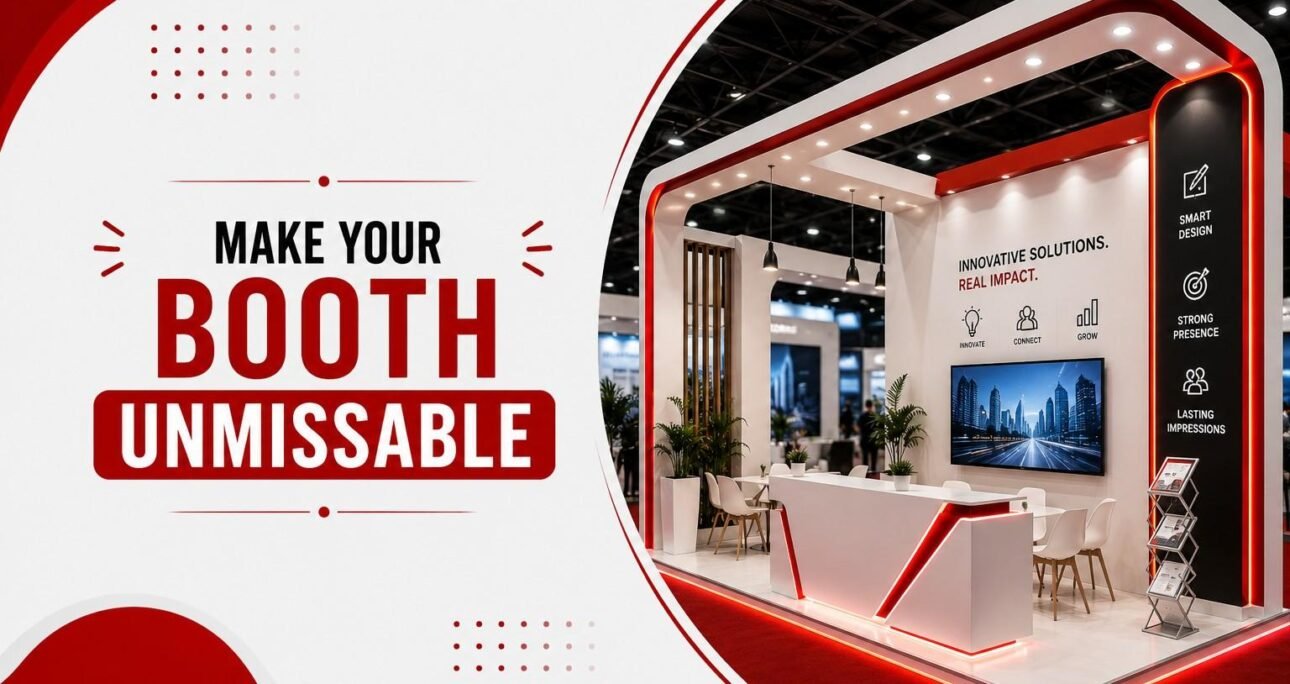
Trade shows offer brands a powerful opportunity to connect with decision-makers, showcase innovations, and generate business opportunities. However, in today’s competitive exhibition environment, simply securing exhibition space is no longer enough. Visitors are exposed to hundreds of exhibitors and countless marketing messages, with limited time to explore the show floor. This case study explores how Young Mirchies transformed a standard exhibition presence into an engagement-focused brand experience. By combining strategic exhibition planning, visitor-centric booth design, and purposeful engagement strategies, the project shifted the focus from visibility alone to meaningful visitor interaction. Rather than viewing the exhibition booth as a temporary structure, Young Mirchies approached it as a strategic business asset designed to influence visitor behaviour, strengthen brand perception, and encourage valuable conversations. The result was a stronger exhibition presence, deeper visitor engagement, and a more memorable brand experience, one that demonstrates how strategic booth design can help brands maximise exhibition ROI in India’s competitive trade show landscape.
The Challenge: Standing Out in a Crowded Exhibition Environment
Every year, businesses invest heavily in exhibitions with the expectation of increasing brand visibility, generating qualified leads, and building valuable industry relationships. Yet many exhibitors face a common challenge: despite significant investment, their exhibition presence fails to create a lasting impression. The issue is rarely the quality of the products or services being displayed. Instead, it’s the inability to capture attention and convert visitor curiosity into meaningful engagement. Modern exhibition visitors make decisions quickly within seconds, they decide whether a booth is worth exploring or whether they should keep walking. In an environment filled with competing brands, large displays, and promotional activities, simply being visible doesn’t guarantee interaction.
So, the objective of this project was clear from the outset: not to build another exhibition booth, but to create a destination that visitors would notice, enter, explore, and remember. That meant going beyond aesthetics. The brand needed a stronger and more distinctive exhibition identity, greater visibility across the exhibition floor, improved visitor engagement, better opportunities for meaningful conversations, and stronger brand recall after the event. Achieving all of this required a strategic shift in thinking.
Why Traditional Exhibition Booths Often Underperform
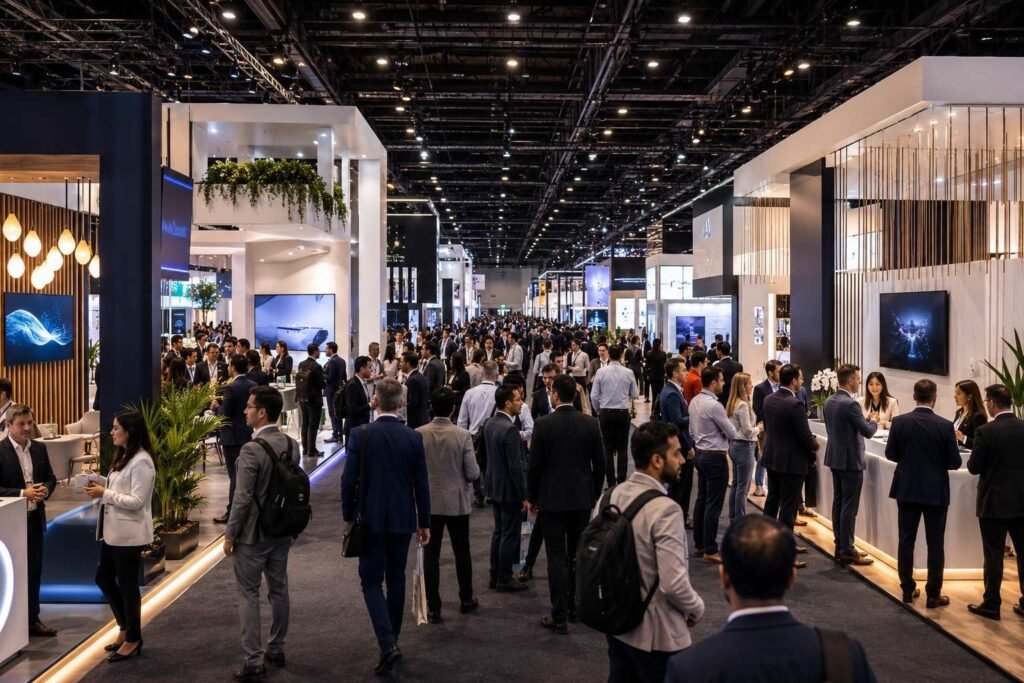
Many exhibition booths are designed primarily as display spaces, products are arranged, branding is installed, brochures are distributed, and teams wait for visitors to arrive. While this approach may create visibility, it often fails to create engagement. Today’s exhibition attendees are more informed and selective than ever before. They aren’t simply looking for products; they’re looking for solutions, insights, and experiences that help them make informed business decisions. As a result, successful exhibitions are increasingly driven by visitor experience rather than booth size alone. Visitors are naturally drawn to exhibition spaces that communicate value quickly, feel open and accessible, encourage exploration, support interaction, and deliver useful information. Booths that fail to provide these elements often become passive displays rather than active business platforms.
Recognising this shift, Young Mirchies approached the project from a different perspective. Instead of asking “How should the booth look?”, the team asked, “How should visitors experience the brand?” That question became the foundation of the entire exhibition strategy. A traditional booth tends to follow a fairly flat path: products are displayed, visitors walk past, interaction stays limited, and lead generation suffers as a result. A strategic booth is built around a different arc, one that moves from attention to exploration to engagement, into business discussion, and finally toward qualified leads.
Young Mirchies’ Strategic Approach
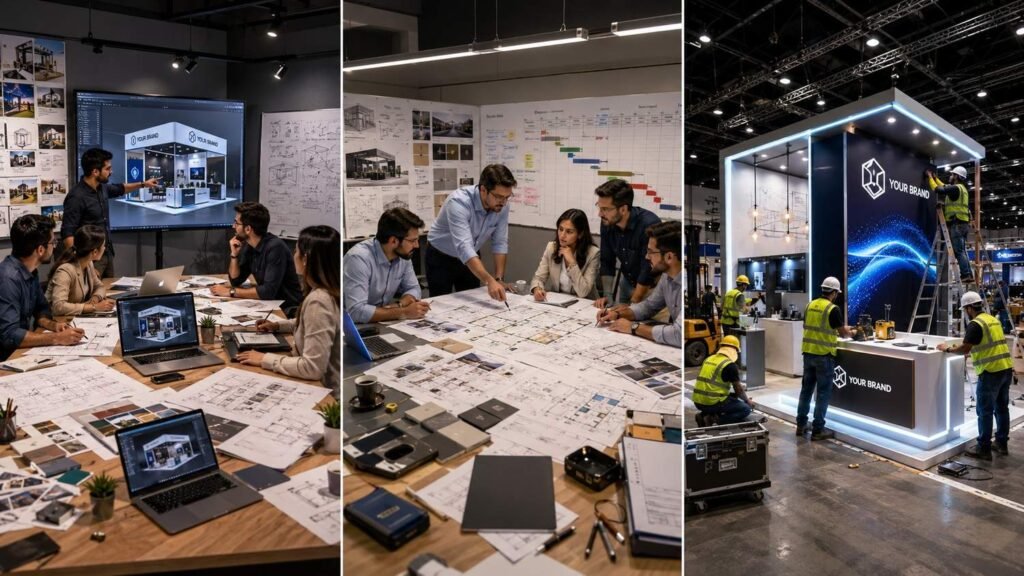
The first step was redefining the role of the exhibition booth. Rather than treating it as a physical structure, Young Mirchies viewed it as a communication platform capable of shaping visitor perception, influencing engagement, and supporting business objectives. Every design and planning decision was evaluated against three key goals.
1. Attract attention: Visitors first need a reason to notice the booth. The exhibition environment was designed to establish a strong visual identity that could be recognised from multiple points across the exhibition hall. Clear branding, visual hierarchy, and strategic positioning helped improve visibility without overwhelming attendees.
2. Encourage exploration: Attracting attention is only the first step; the booth also needed to give visitors compelling reasons to enter and explore. Layout planning focused on creating an intuitive journey that encouraged discovery while helping visitors quickly understand the brand’s value proposition.
3. Support meaningful interaction: The ultimate goal of any exhibition is business engagement. Dedicated interaction zones, product experience areas, and discussion spaces were integrated into the booth strategy to help transform visitor curiosity into productive conversations.
Together, this approach shifted the exhibition experience from passive observation to active participation.
The Design Decisions That Made the Difference
Once the strategic objectives were established, the focus shifted toward creating an environment capable of delivering them. Every design decision served a specific purpose.
1. Open and Accessible Layout
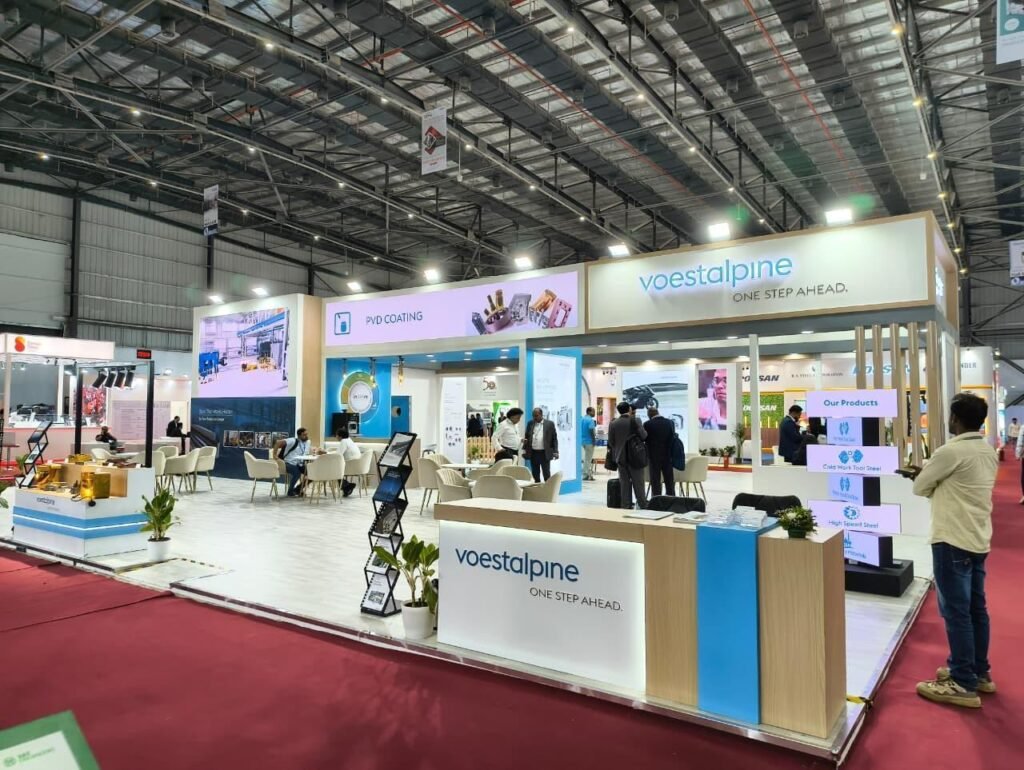
One of the most important design choices was eliminating unnecessary barriers. Visitors naturally avoid spaces that feel restricted or difficult to enter, so by creating an open layout accessible from multiple directions, the booth immediately felt more welcoming and approachable. This increased the likelihood of spontaneous visitor entry and encouraged exploration.
2. Strong Visual Presence
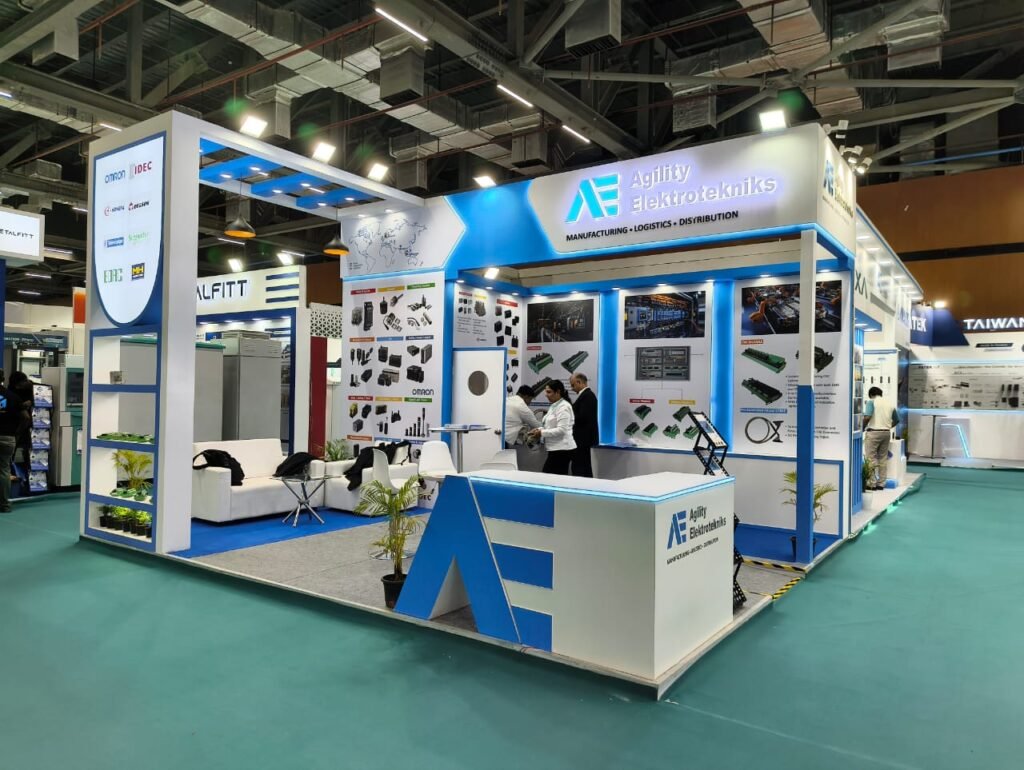
Visibility plays a critical role in exhibition success. The booth was designed to achieve immediate recognition while clearly and efficiently communicating key brand messages. Rather than overwhelming attendees with information, the design focused on clarity, simplicity, and relevance, so visitors could quickly understand who the company was and why it was worth their attention.
3. Structured Product Discovery
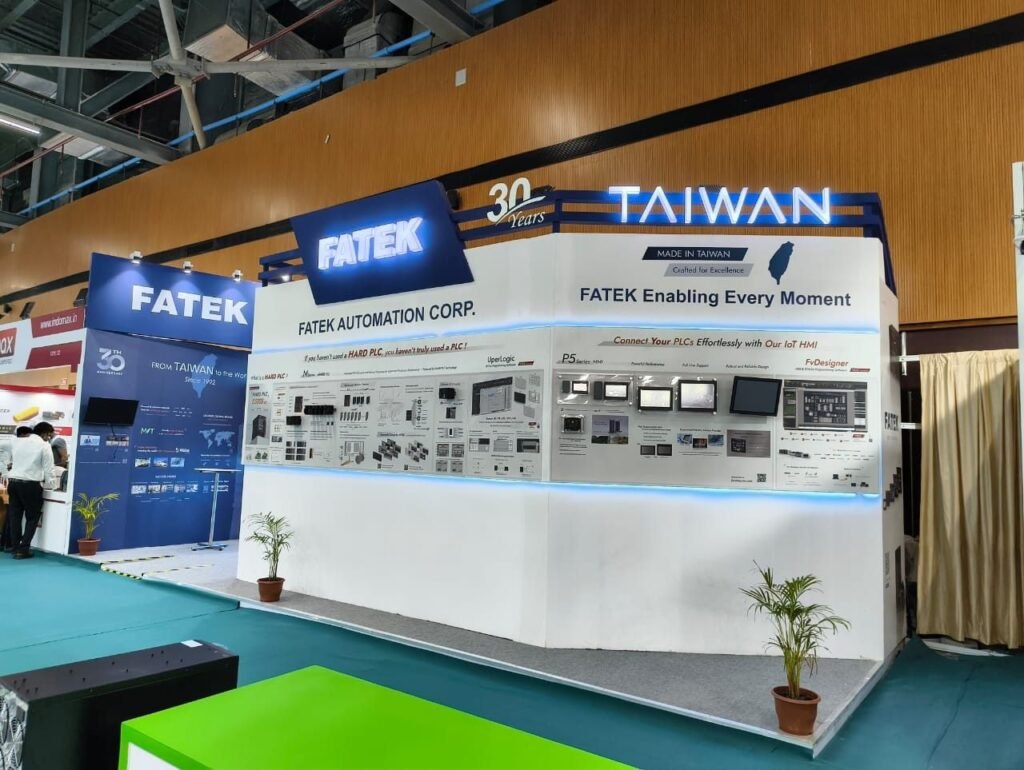
Complex products and technical solutions often become difficult to communicate within busy exhibition environments. To solve this, product presentation was carefully organised into dedicated experience zones, allowing visitors to absorb information progressively rather than being confronted with large amounts of technical content all at once. The result was a smoother and more engaging discovery process.
4. Spaces Designed for Conversations
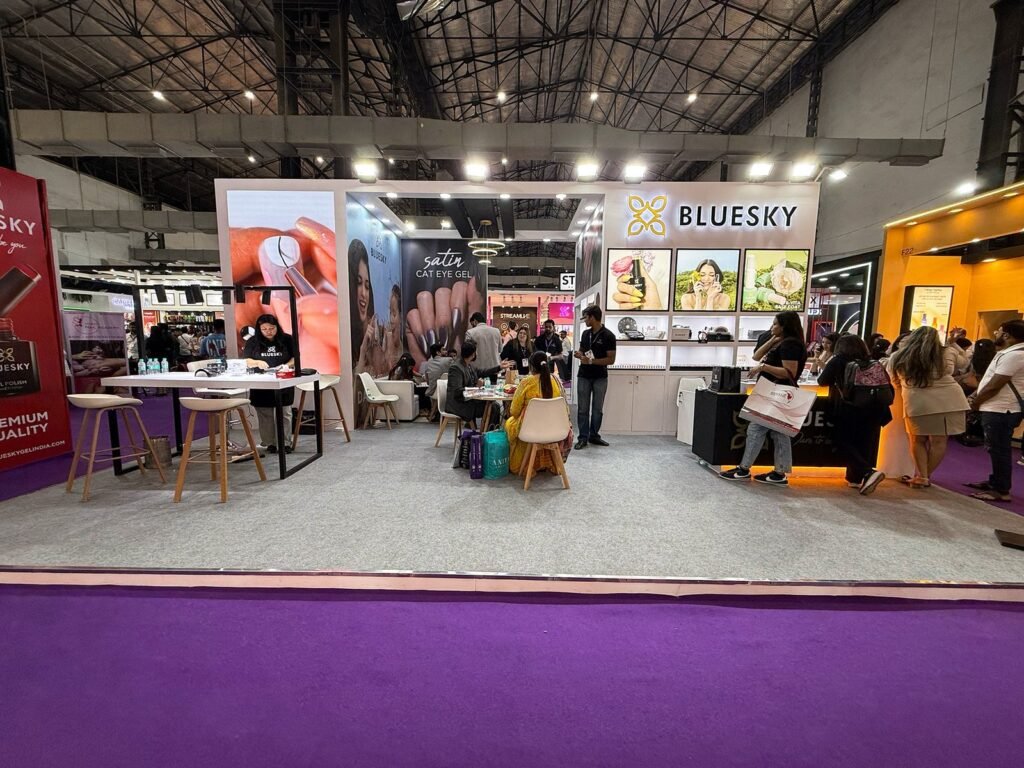
Meaningful business discussions rarely happen by accident. Dedicated meeting areas were incorporated into the booth environment, allowing visitors to move naturally from exploration to conversation. These areas supported longer interactions and created opportunities for deeper discussions around products, applications, and business requirements, turning the booth into more than a display area but a platform for relationship-building.
Creating a Better Visitor Experience
A successful exhibition booth is not measured by how impressive it looks from a distance. Its success is determined by how visitors experience the space once they step inside, and this project was designed around that visitor behaviour end-to-end: from noticing the booth, to entering it, to exploring products, to interacting with staff, to eventually reaching a business discussion. From the moment attendees noticed the booth, every aspect of the experience was structured to reduce friction and encourage exploration. Visitors could easily enter the space, understand the brand’s offering, and navigate different product areas without confusion. Instead of overwhelming attendees with technical information, the exhibition environment guided them on a structured journey, presenting products, solutions, and brand messages in ways that encouraged discovery and learning. As visitors spent more time within the booth, engagement naturally increased. Questions led to discussions, discussions led to demonstrations, and demonstrations led to meaningful business conversations. Rather than functioning as a traditional sales environment, the booth created an atmosphere where visitors felt comfortable exploring at their own pace, a visitor-centric approach that helped transform passive observation into active participation.
Engagement Outcomes
The success of an exhibition shouldn’t be measured solely by footfall. While visitor traffic remains important, meaningful engagement creates far greater business value, and the exhibition strategy focuses on improving the quality of interactions rather than simply increasing the number of visitors entering the booth. Several positive outcomes emerged from this approach. Visitor interest increased, as the booth attracted attention by combining strong visual identity with an open and approachable environment, making visitors more likely to stop, explore, and engage with the brand. Dwell time improved too; the structured visitor journey encouraged attendees to spend more time within the exhibition space, which created additional opportunities for product discovery, demonstrations, and discussions.
Conversations became more meaningful, as visitors moved naturally from exploration to interaction, resulting in deeper discussions about applications, industry challenges, and business requirements rather than brief introductory exchanges. Product understanding was stronger, since the organised presentation of products and solutions helped attendees better grasp capabilities, applications, and business benefits. And brand recall improved, since visitors were more likely to remember the experience because they actively participated in it. Most importantly, the exhibition booth became a platform for relationship building rather than simply a display environment.
How the Brand’s Trade Show Presence Changed
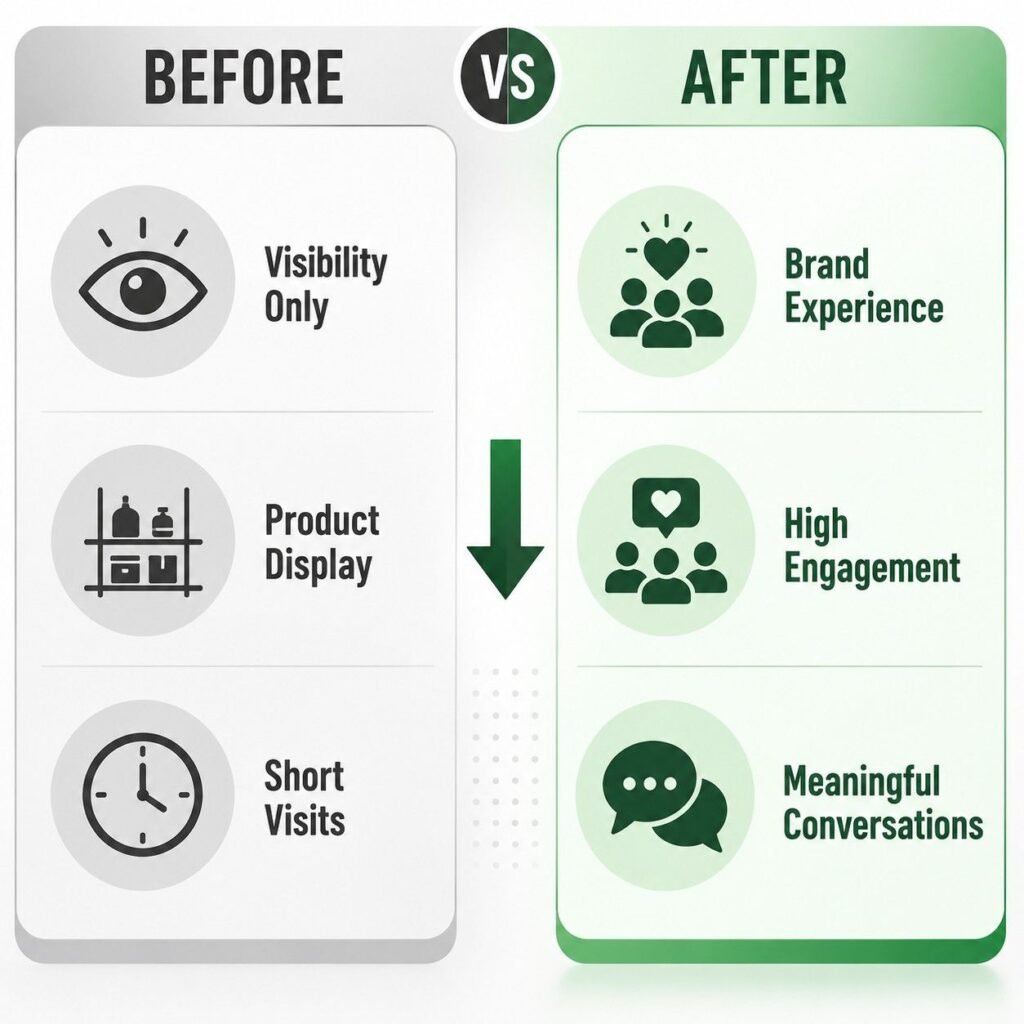
The most significant outcome of the project was the transformation of the overall exhibition presence. Before the strategic redesign, the booth functioned primarily as a product showcase. After the transformation, it became a destination. Many exhibitors achieve visibility; far fewer achieve memorability. The redesigned booth encouraged visitors to stop, engage, and spend time with the brand rather than simply notice it while walking past. Visitors were no longer observing products from a distance; they were exploring solutions, interacting with representatives, participating in demonstrations, and engaging in meaningful conversations.
The exhibition environment also communicated more than product features. It reflected the company’s expertise, professionalism, innovation, and market positioning, and every visitor interaction contributed to a broader perception of the brand. Trade shows are highly competitive environments where brands constantly compete for attention, and by focusing on visitor experience and engagement, the exhibition presence became more memorable, helping extend the value of the event beyond the exhibition floor itself. This shift demonstrated how strategic exhibition planning can transform participation into performance.
Key Lessons for Brands Exhibiting in India
This project reinforces several important lessons for companies participating in trade shows and exhibitions across India. An exhibition booth is a business tool. The most successful booths aren’t simply display structures; they’re business platforms designed to communicate value, build relationships, and support specific commercial objectives. Visibility alone isn’t enough. Being noticed is important, but being remembered is far more valuable, which means exhibitors must create experiences that encourage visitors to stop, engage, and participate. Visitor experience drives engagement. Layout, accessibility, messaging, and interaction opportunities all influence visitor behaviour, and when attendees feel comfortable exploring a booth, engagement naturally increases.
Simplicity creates clarity. Visitors process large amounts of information during exhibitions, and clear communication and structured experiences often outperform complex displays and excessive messaging. Meaningful interactions create better results. The quality of conversations often matters more than the quantity of visitors; strong engagement creates stronger business opportunities. Strategy should drive design. Successful exhibition environments begin with clear objectives, and when design decisions are aligned with business goals, exhibitions become significantly more effective.
The Young Mirchies Perspective

At Young Mirchies, exhibition booth design begins with a simple question: “What should this exhibition experience achieve for the brand?” Every project starts with understanding business objectives, target audiences, exhibition goals, and visitor expectations. This strategic foundation allows us to create exhibition environments that do more than attract attention; they help brands communicate value, encourage engagement, and build meaningful relationships. Our approach combines exhibition strategy, creative design, fabrication expertise, and visitor-centric thinking to deliver exhibition experiences that support measurable business outcomes. Whether the goal is lead generation, product launches, brand awareness, networking, or customer engagement, every design decision is aligned with the results our clients want to achieve, because in today’s exhibition landscape, success is not measured by the booth itself; it’s measured by the impact that booth creates.
Conclusion
Trade shows continue to be one of the most valuable opportunities for brands to connect with potential customers, industry professionals, and decision-makers. However, achieving meaningful results requires more than simply occupying exhibition space. This project demonstrates how strategic exhibition booth design can transform the way a brand is experienced at a trade show. By focusing on visitor behaviour, engagement, accessibility, and purposeful interaction, the exhibition environment became more than a display structure; it became a business asset. The result was a stronger exhibition presence, more meaningful visitor interactions, improved brand perception, and a more memorable experience overall. For brands exhibiting in India, the lesson is clear: success isn’t determined by the size of the booth, but by the quality of the experience created within it. When strategy, design, and visitor engagement work together, exhibitions become far more than marketing events; they become powerful platforms for business growth.
FAQs
1. What makes an exhibition booth successful?
A successful exhibition booth combines visibility, visitor engagement, clear messaging, accessibility, and opportunities for meaningful interaction. The most effective booths create memorable experiences rather than simply displaying products.
2. How does booth design improve visitor engagement?
Booth design influences how visitors enter, navigate, and interact with a space. Open layouts, intuitive visitor journeys, and strategic interaction zones encourage exploration and longer engagement.
3. Why is visitor experience important at trade shows?
Visitor experience directly affects how attendees perceive a brand. Positive experiences increase engagement, strengthen brand recall, and create more opportunities for meaningful conversations.
4. How can exhibitors increase booth traffic?
Strong branding, strategic visibility, engaging product displays, live demonstrations, and visitor-focused experiences can help attract more attendees to an exhibition booth.
5. What are the benefits of custom exhibition booth design?
Custom exhibition booth design allows brands to align the exhibition environment with their objectives, audience, products, and brand identity, creating a more impactful and memorable experience.
6. Why do some exhibition booths generate better results than others?
The difference often lies in strategy. Booths that focus on visitor engagement, communication, and experience typically perform better than booths focused solely on aesthetics.