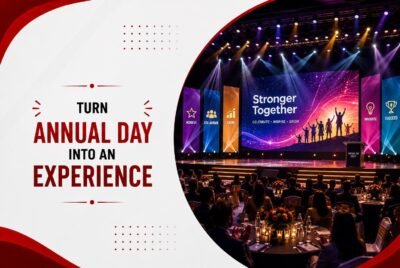
Top 5 Eco-Friendly Practices for Modern Event Planning

Top 5 Eco-Friendly Practices for Modern Event Planning

Introduction

Sustainability is no longer a niche concept in the events industry; it’s becoming a core expectation. From corporate gatherings to large-scale celebrations, eco-friendly event planning is shaping how modern events are designed, executed, and evaluated. Event planners today are under increasing pressure to reduce environmental impact while still delivering high-quality experiences through strong, sustainable event management. In real-world event scenarios, this shift isn’t just about “going green” for branding; it’s about making smarter operational decisions. Whether events are hosted locally in growing urban markets or organized globally across multiple regions, adopting sustainable event practices can significantly lower costs, reduce waste, and improve overall efficiency. What’s interesting is that many event planners assume sustainability requires a bigger budget or complex logistics. In practice, the opposite is often true. A more practical approach to green event planning ideas focuses on minimizing excess less waste, fewer resources, and more intentional choices.


Across different regions and communities, expectations around sustainability are evolving quickly. Attendees are becoming more conscious, vendors are adapting, and regulations in some areas are becoming stricter. This means integrating eco-friendly event planning checklist and strategies is no longer optional; it’s a competitive advantage, especially for eco-friendly corporate events. In this guide, we’ll break down the top 5 eco-friendly practices for modern event planning, along with actionable insights on how to implement them effectively in both local and global contexts.

What is Eco-Friendly Event Planning?

Eco-friendly event planning is the process of organizing events in a way that minimizes environmental impact by conserving energy, reducing waste, and using sustainable resources. It focuses on sustainable event management practices such as choosing green venues, working with local vendors, eliminating single-use plastics, and promoting responsible consumption. In simple terms, eco-friendly event planning means making smarter choices at every stage of an event from planning and execution to post-event cleanup so that the overall environmental impact is reduced and aligned with zero waste event planning goals wherever possible. This approach is especially important in cities like Mumbai, Delhi, and Bangalore, where large-scale events can generate significant waste if not managed responsibly. By adopting eco-friendly event planning, organizers can create impactful experiences while supporting environmental sustainability, meeting client expectations, and aligning with modern global standards and sustainable event practices.

Why Sustainable Event Planning Matters Today

Sustainability in events has moved from being a “nice-to-have” to a core expectation. Today’s audiences, brands, and stakeholders are far more aware of environmental impact, which is why eco-friendly event planning is gaining momentum across industries. In many regions, especially in fast-growing urban markets, events can generate significant waste in a short period of single-use materials, excess food, and high energy consumption. Without a structured approach to sustainable event management, these issues quickly scale. That’s why more event planners are actively looking for ways to reduce event carbon footprint while maintaining quality and experience. From a practical standpoint, sustainability also makes business sense. A well-planned zero waste event planning strategy often leads to:

  • Lower material costs
  • Reduced logistics complexity
  • Better resource utilization


In real-world event scenarios, many event planners discover that cutting down unnecessary elements like excessive décor or printed materials not only supports sustainability but also improves efficiency. There’s also a growing shift in attendee expectations. People now prefer events that reflect responsible practices, whether they’re attending eco-friendly corporate events or community gatherings. This change is happening both locally and globally, across different types of audiences.


Another factor many overlook is long-term brand positioning. Organizations that consistently implement green event planning ideas are perceived as forward-thinking and responsible. Over time, this builds trust and can even influence client decisions when choosing event partners. A more practical way to look at it: sustainability isn’t just about reducing harm it’s about making smarter choices. Whether you’re planning events locally or managing large-scale global operations, integrating eco-friendly event planning and sustainable event practices helps create experiences that are efficient, relevant, and future-ready.

Top 5 Eco-Friendly Practices for Modern Event Planning

In real-world execution, eco-friendly event planning works best when it moves beyond surface-level ideas and becomes part of a repeatable system. It’s not about doing everything perfectly, it’s about making smarter decisions consistently. The following practices aren’t just trends; they’re practical frameworks that help improve both sustainability and overall event efficiency across local and global scenarios.
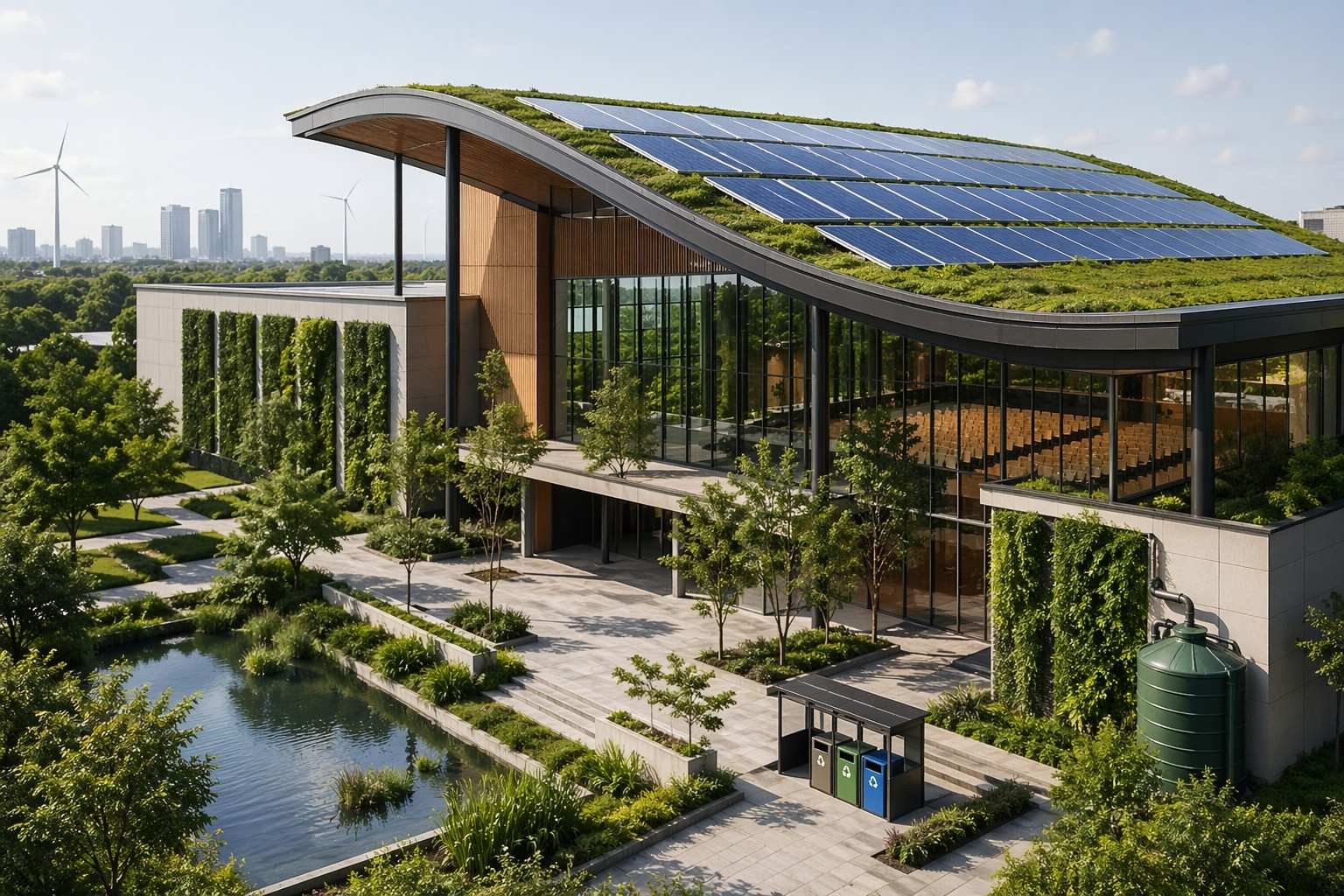
 

Sustainable and Resource-Efficient Venues


1. Choose Sustainable and Resource-Efficient Venues

Venue selection is often underestimated, but in reality, it quietly controls a large portion of your event’s environmental impact. A truly sustainable venue goes beyond aesthetics; it reflects how the space operates behind the scenes and supports sustainable event management goals.

Look for venues that support:

  • Energy-efficient lighting and cooling systems
  • Water conservation systems
  • Accessibility to public transport
  • Waste segregation and recycling facilities

What it’s used for:
This practice forms the backbone of sustainable event practices. Choosing the right venue reduces the need for additional resources later, making the entire planning process more efficient.

Benefits:

  • Reduces operational complexity (less need to “fix” sustainability gaps later)
  • Naturally helps reduce event carbon footprint
  • Often aligns with modern attendee expectations

Disadvantages / Challenges:

  • Limited availability in some regions
  • Sustainable venues may appear more expensive upfront
  • Less flexibility in customization in some cases

In practice, many event planners realize that selecting a venue aligned with green event planning ideas saves both time and cost in the long run, even if it feels restrictive at the start.

 

Digital-First Event Experiences


2. Shift to Digital-First Event Experiences

Going digital is one of the easiest entry points into eco-friendly event planning, yet it’s still surprisingly underutilized in some events.

This includes:

  • Digital invitations instead of printed cards
  • QR-based registrations and check-ins
  • Mobile event apps for schedules and updates
  • Digital brochures and presentations

What it’s used for:
Reducing dependency on physical materials while improving communication efficiency and attendee experience in sustainable event management.

Benefits:

  • Supports zero waste event planning by eliminating paper waste
  • Faster updates and real-time communication
  • Cost savings on printing and logistics
  • Better data tracking and attendee insights

Disadvantages / Challenges:

  • Not all audiences are equally comfortable with digital tools
  • Requires reliable internet or tech infrastructure
  • Can feel less “personal” for certain types of events

A more practical perspective: digital doesn’t have to replace everything, it just needs to replace what doesn’t add real value. That balance is where most successful events land.
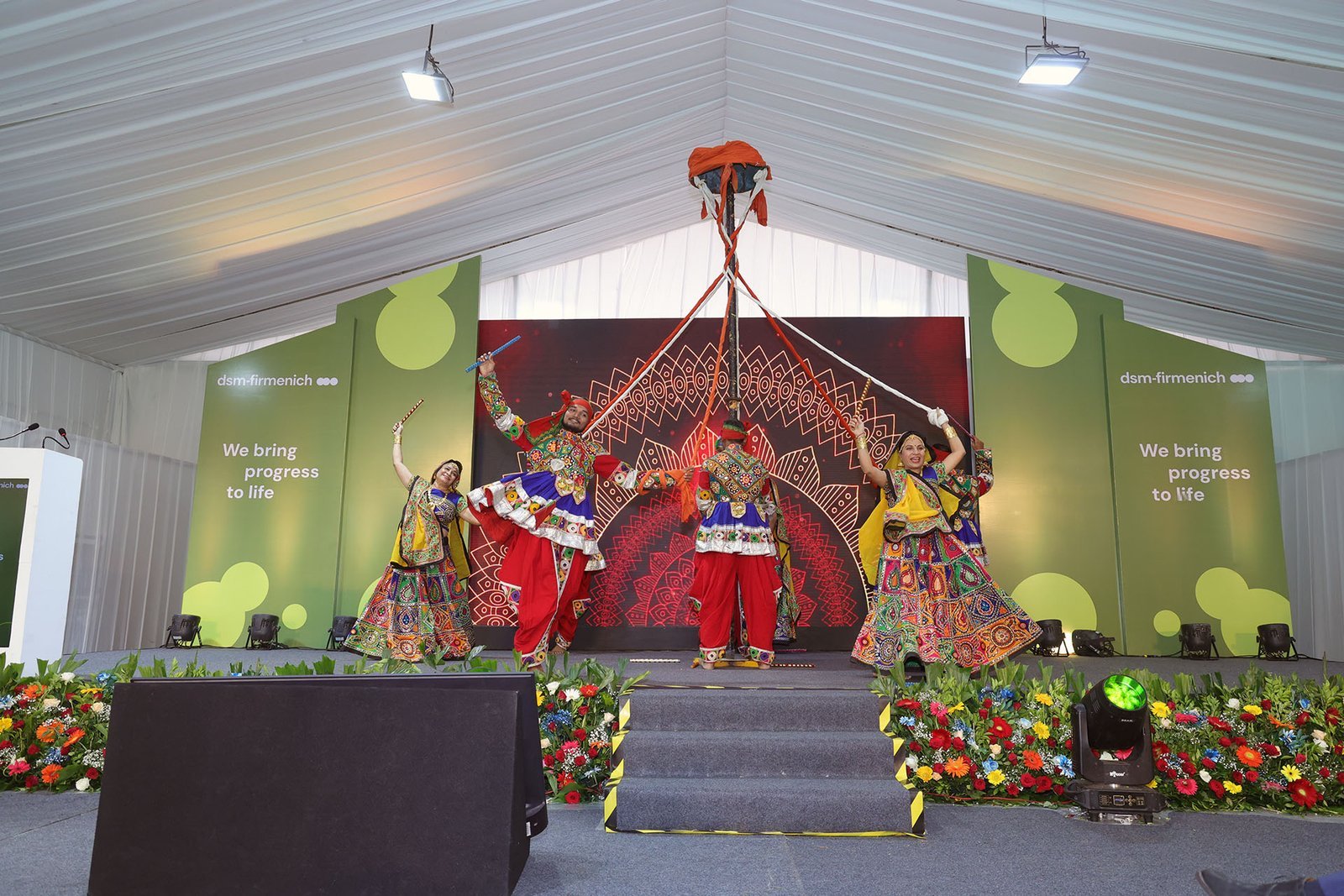
 

Event management company


3. Work with Local and Responsible Vendors

Vendors are often where sustainability either succeeds or quietly fails. Even well-planned events can lose their eco-friendly edge if suppliers don’t align with the same goals of eco-friendly event planning.

Focus on vendors who:

  • Use eco-friendly packaging
  • Minimize single-use plastics
  • Source materials responsibly
  • Offer reusable or recyclable setups

What it’s used for:
Strengthening the sustainability chain across logistics, materials, and execution in sustainable event management.

Benefits:

  • Reduces transportation-related emissions and helps reduce event carbon footprint
  • Supports local economies and communities
  • Improves coordination and flexibility
  • Often leads to faster problem-solving during events

Disadvantages / Challenges:

  • Limited availability of fully sustainable vendors in some areas
  • Requires more research and vetting
  • Sometimes higher initial costs

In real-world scenarios, many planners overlook how much impact vendor selection has. But once optimized, this decision can significantly improve overall sustainability and support eco-friendly corporate events.
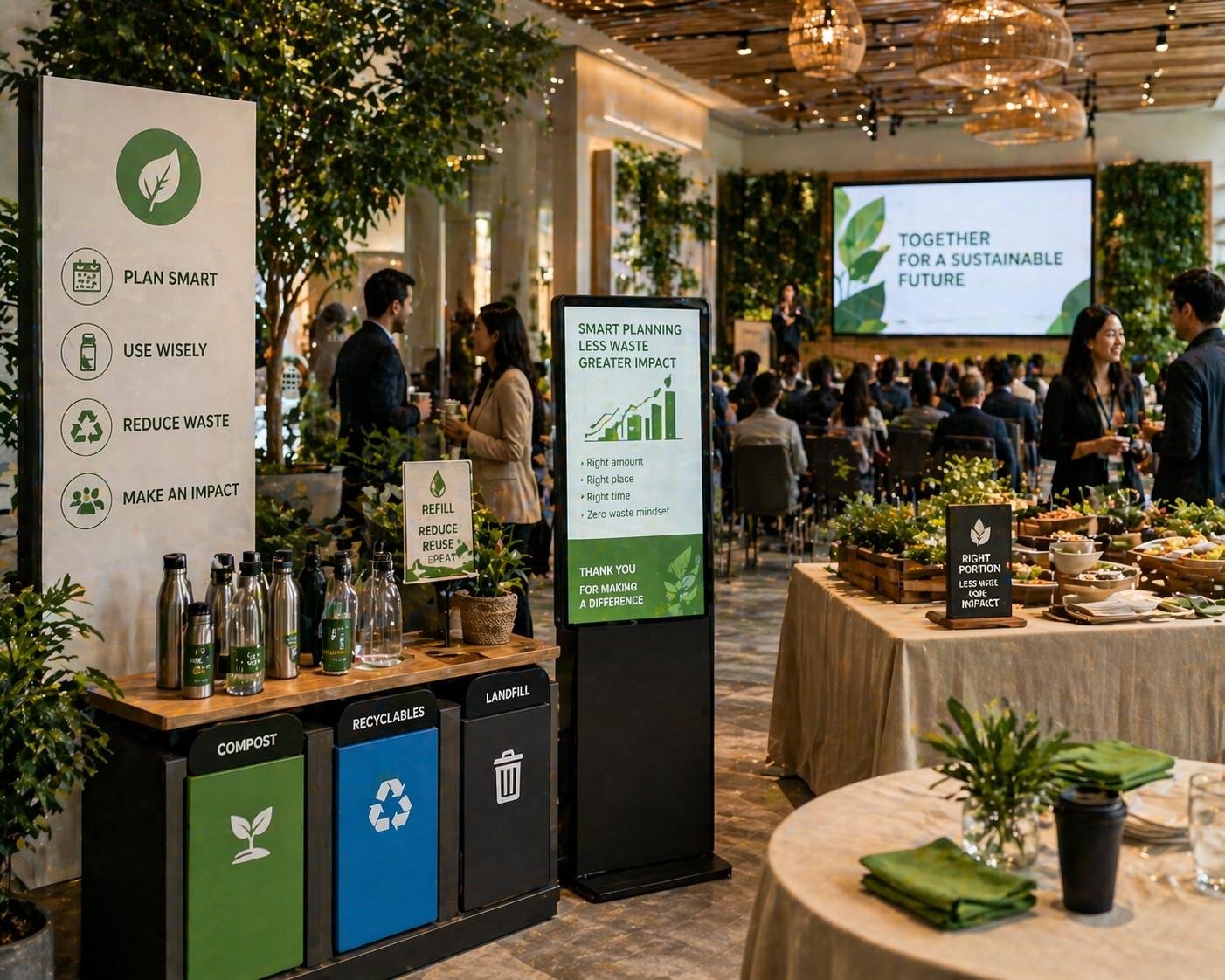
 

Eco-Friendly Practices


4. Minimize Waste Through Smart Resource Planning

Waste management is often treated as a post-event problem, but in effective zero waste event planning, it starts much earlier at the planning stage.

Effective approaches include:

  • Accurate guest count forecasting
  • Donation of leftover food where possible
  • Controlled food portion planning
  • Reusable décor and installations

What it’s used for:
Preventing waste before it’s created rather than managing it after the fact through proactive sustainable event practices.

Benefits:

  • Cuts unnecessary costs from overproduction
  • Improves operational efficiency
  • Aligns strongly with sustainability expectations

Disadvantages / Challenges:

  • Requires precise planning and coordination
  • Risk of underestimating resources if forecasting is inaccurate
  • Needs cooperation from vendors and staff

A more practical way to think about it: every item used in an event should have a clear purpose and ideally, a second life after the event ends.
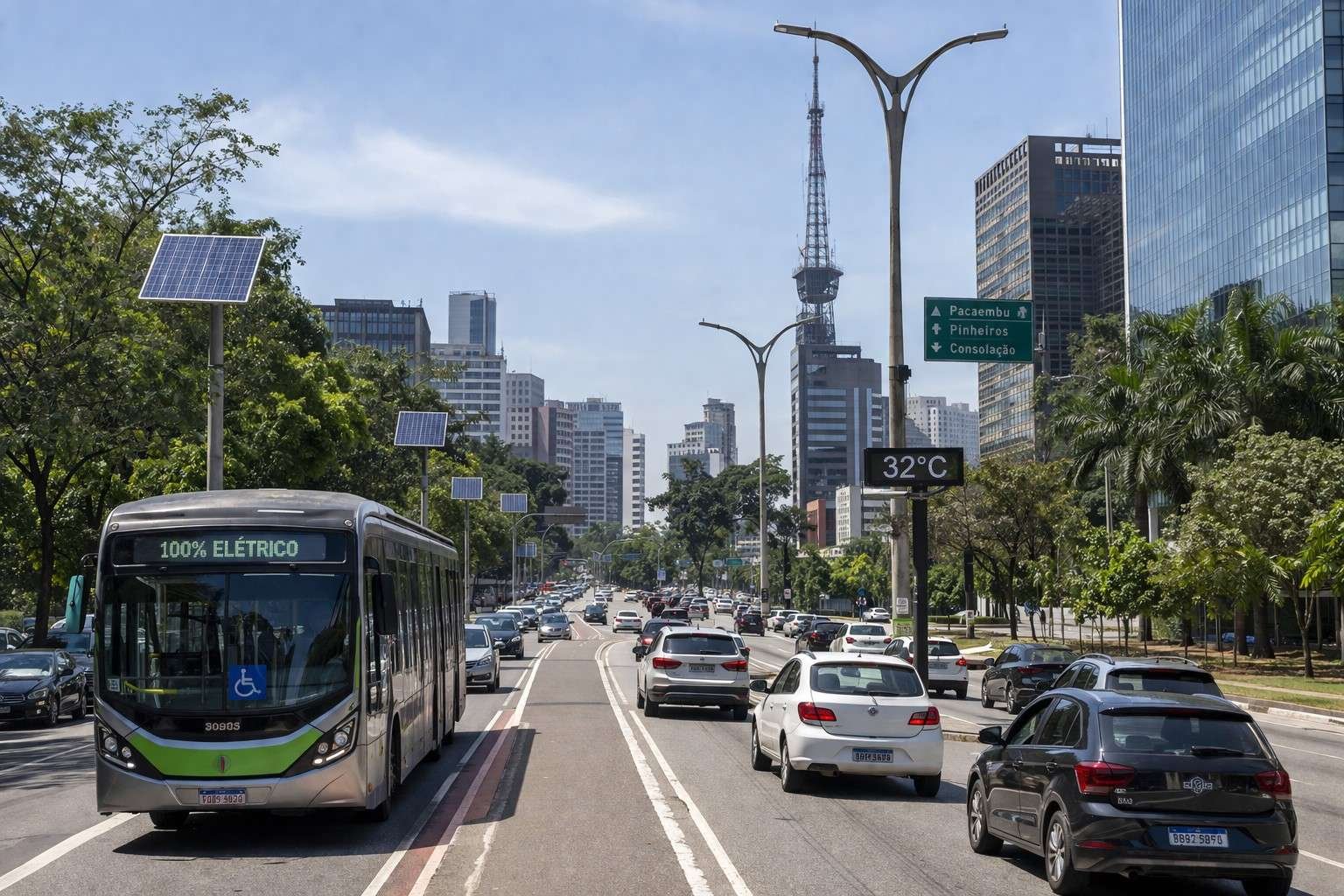
 

sustainable event management


5. Optimize Energy and Transportation Efficiency

Energy use and transportation are often the largest hidden contributors to an event’s environmental impact. Unlike visible elements like décor, these factors are less obvious but far more impactful in sustainable event management.

To improve efficiency:

  • Use LED and low-energy lighting systems
  • Encourage shared transportation or shuttle services
  • Choose venues with strong public transport access
  • Schedule events during energy-efficient time windows where possible

What it’s used for:
Reducing emissions at scale, especially for large gatherings and eco-friendly corporate events.

Benefits:

  • Significant reduction in overall event carbon footprint
  • Scalable across different event sizes and regions
  • Improves logistical efficiency

Disadvantages / Challenges:

  • Limited control over attendee travel behavior
  • Requires coordination and communication
  • May involve additional upfront planning

In many real-world cases, planners focus heavily on visible sustainability efforts but underestimate transportation impact. In reality, optimizing travel can sometimes deliver bigger environmental benefits than multiple smaller changes combined, making it a critical part of eco-friendly event planning and sustainable event practices.


How to Plan a Zero-Waste Event (Step-by-Step)

Zero waste event planning is a structured approach within eco-friendly event planning to designing events where waste is minimized at every stage from planning and procurement to execution and post-event management. The goal is not just recycling but actively preventing waste generation wherever possible while supporting broader sustainable event management goals. In practical eco-friendly event planning, a zero-waste approach works best when treated as a process rather than a checklist.


Step 1: Start with Intentional Planning

Before anything else, define what “zero waste” means for your specific event. In real-world scenarios, complete elimination of waste may not always be possible, especially across different local infrastructures, but reduction is always achievable through strong sustainable event practices.

Set clear targets such as:

  • Reducing single-use items by 80–90%
  • Eliminating printed materials
  • Prioritizing reusable setups

This aligns with modern sustainable event management practices where planning decisions directly drive outcomes and help reduce the overall environmental impact.


Step 2: Choose Reusable and Recyclable Materials

Material selection is one of the most important parts of green event planning ideas.

Focus on:

  • Reusable décor structures instead of disposable ones
  • Glass, metal, or compostable serviceware
  • Fabric-based installations instead of plastic decor

A more practical approach is to design materials that can be reused across multiple events. This not only supports zero waste event planning but also improves efficiency across both local and global setups where logistics may vary.


Step 3: Plan Food and Beverage Responsibly

Food waste is one of the biggest challenges in eco-friendly event planning.

To manage it effectively:

  • Partner with vendors who support donation or composting
  • Finalize accurate guest counts
  • Avoid over-ordering
  • Use portion-controlled servings

In many events, small adjustments in catering strategy can significantly help reduce event carbon footprint while maintaining guest satisfaction. These are key elements of effective sustainable event practices.


Step 4: Eliminate Single-Use Items

A key principle of zero waste event planning is replacing disposable items with sustainable alternatives.

Replace:

  • Plastic bottles → water dispensers or refill stations
  • Paper napkins → reusable cloth alternatives
  • Disposable cutlery → compostable or reusable options

Across different regions and event scales, this step alone can reduce a large portion of waste output and strengthen your eco-friendly corporate events strategy.


Step 5: Manage Post-Event Recovery Smartly

Sustainability doesn’t end when the event finishes. Post-event planning is equally important in sustainable event management.

Actions include:

  • Donating leftover materials or food
  • Reusing event structures for future setups
  • Sorting waste into recyclables and compostables

A more practical mindset here is to treat post-event recovery as part of the design process, not an afterthought. This reinforces long-term sustainable event practices.

Future Trends in Sustainable Event Management (2026 Outlook)

The future of eco-friendly event planning is evolving quickly as technology, consumer expectations, and global sustainability goals continue to shift. What was once considered optional is now becoming a core standard across both local and global event ecosystems. In sustainable event management, the focus is moving beyond basic waste reduction toward smarter, data-driven environmental decision-making.


1. Rise of Hybrid and Low-Travel Events

One of the strongest trends shaping the industry is the shift toward hybrid formats. By combining physical and digital participation, event planners can significantly reduce event carbon footprint. In real-world scenarios, this approach is not just about convenience it’s about accessibility and sustainability working together. Across different regions, hybrid models are helping expand reach while maintaining eco-friendly corporate events standards.


2. AI-Driven Sustainable Event Planning

Artificial intelligence is increasingly being used to optimize green event planning ideas.

AI tools can help:

  • Optimize seating and venue layouts
  • Predict accurate attendance for waste reduction
  • Reduce energy consumption through smart scheduling
  • Suggest low-impact vendors and logistics options

A more practical approach emerging in 2026 is using data to prevent inefficiency before it happens, strengthening overall sustainable event practices.


3. Growth of Circular Event Economies

The industry is moving toward a circular model where materials are reused instead of discarded. This is a major evolution in zero waste event planning.

Expect to see:

  • Rental-based decor ecosystems
  • Shared vendor networks across regions
  • Recyclable and compostable event infrastructure
  • Modular stage designs reused across multiple events

This shift reduces long-term costs and significantly improves sustainable event management performance.


4. Stronger Sustainability Regulations Globally

Governments and institutions in many regions are introducing stricter guidelines around waste, emissions, and procurement. This directly impacts eco-friendly event planning and broader sustainable event management practices.

Event planners will increasingly need to:

  • Track and report environmental impact
  • Follow procurement sustainability standards
  • Comply with waste disposal regulations
  • Use certified eco-friendly materials

In practical terms, compliance is becoming part of the planning process rather than an external requirement.


5. Increased Demand for Transparent Green Events

Audiences are becoming more informed and selective. They now expect transparency in how events are managed environmentally.

This means:

  • Clear communication of sustainability efforts
  • Measurable reporting of reduced impact
  • Authentic implementation of eco-friendly event planning (not just branding)

Across local and global markets, trust is becoming a key differentiator for event organizers focusing on eco-friendly corporate events.

Conclusion

The shift toward eco-friendly event planning doesn’t feel like a passing trend anymore; it feels like something the industry is quietly but firmly settling into. Across both local and global event spaces, sustainability is becoming part of the baseline expectation rather than an added feature. In real-world sustainable event management, what actually works isn’t overcomplicated strategies. It’s usually the simpler, more consistent decisions that make the biggest difference. Reducing unnecessary materials, making thoughtful vendor choices, and avoiding overproduction often outperform elaborate “green” claims. Interestingly, many event planners discover that sustainability often improves how events run overall. Events built around green event planning ideas tend to feel more organized, less wasteful, and more cost-efficient. So it’s not just about environmental responsibility it also improves efficiency.


From what’s happening across the industry, it’s clear that zero waste event planning, better control to reduce event carbon footprint, and more intentional planning choices are becoming part of how successful events are defined. At the end of the day, the direction is clear. Events in the future won’t just be judged by how impressive they look, they’ll also be judged by how responsibly they were executed. And the planners who embrace sustainable event practices now are the ones who will stay ahead.

FAQs

1. What are eco-friendly practices in event planning?

Eco-friendly event planning practices include reducing waste, using digital tools instead of paper, choosing sustainable vendors, minimizing energy consumption, and encouraging eco-friendly transportation. These sustainable event practices help lower environmental impact while maintaining quality and experience.

To plan a sustainable event, start by reducing unnecessary materials, working with local vendors, selecting reusable décor, and using digital communication tools. In real-world sustainable event management, small changes like accurate guest planning and waste reduction make a big difference.

Zero waste event planning is a strategy where events are designed to minimize or completely eliminate waste. It focuses on prevention using reusable items, avoiding single-use plastics, planning food carefully, and ensuring proper recycling and composting after the event.

Sustainable event management is important because it reduces environmental damage, lowers operational costs, and meets increasing expectations from attendees and stakeholders. Globally and locally, sustainability is now a key factor in how modern events are evaluated.

Events reduce carbon footprint by optimizing transportation, using energy-efficient lighting and equipment, minimizing printed materials, and choosing eco-conscious vendors. Hybrid event formats also play a major role.

Effective green event planning ideas include digital invitations, reusable stage setups, plant-based catering options, refill stations instead of bottled water, and encouraging shared transportation for guests.

Yes, even small events can adopt eco-friendly event planning practices. Simple steps like reducing plastic use, choosing local vendors, and minimising waste can make a meaningful environmental impact regardless of event size.