Why Experiential Marketing Is Transforming Corporate Event Engagement
Corporate events have long been an essential platform for organizations to connect with clients, partners, employees, and industry leaders. Traditionally, these events relied heavily on presentations, speeches, and panel discussions to communicate information and build relationships. However, as audiences become more digitally connected and experience-driven, the expectations from corporate events have evolved significantly. Attendees today seek meaningful interactions, memorable moments, and engaging environments rather than passive participation.
This shift in expectations is one of the key reasons experiential marketing in corporate events has gained tremendous momentum in recent years. Experiential marketing focuses on creating immersive, interactive, and multi-sensory brand experiences that allow attendees to actively engage with a company’s message, products, or services. Instead of simply observing a presentation, participants become part of the experience through interactive installations, live demonstrations, storytelling environments, and technology-driven activations.
For businesses, this transformation presents a powerful opportunity to strengthen corporate event engagement. When attendees participate in hands-on activities, explore immersive brand environments, or interact with innovative technologies, they develop stronger emotional connections with the brand. These experiences not only capture attention but also significantly improve memory retention, brand perception, and audience satisfaction.
Another reason experiential marketing is becoming central to modern events is the rise of advanced event technologies. Interactive displays, augmented reality experiences, virtual reality demonstrations, and AI-powered networking tools are redefining how brands interact with audiences during corporate gatherings. These technologies allow companies to create immersive corporate event experiences that feel dynamic, personalized, and highly engaging.
Across major business hubs such as Mumbai, Delhi, and Bangalore, companies are increasingly adopting experiential event marketing strategies to elevate their conferences, product launches, trade shows, and networking events. By focusing on interactive engagement rather than traditional communication, brands are able to create memorable experiences that leave a lasting impression on attendees.
As the corporate event landscape continues to evolve, experiential marketing is emerging as a defining factor that separates ordinary events from impactful brand experiences. Organizations that embrace immersive engagement strategies are not only able to capture audience attention but also build deeper relationships that drive long-term business value.
What Is Experiential Marketing in Corporate Events
Experiential marketing in corporate events is a marketing approach that focuses on creating immersive, interactive experiences that allow attendees to actively engage with a brand rather than simply observe it. Instead of relying solely on presentations, advertisements, or static displays, experiential marketing invites participants to interact with products, environments, and brand stories in a meaningful and memorable way.
In traditional corporate events, audiences often take on a passive role listening to keynote speeches, attending panel discussions, or viewing presentations. While these formats are still valuable for knowledge sharing, they may not always create strong emotional engagement. Experiential marketing transforms this dynamic by placing attendees at the center of the experience. Through hands-on activities, live demonstrations, interactive installations, and storytelling environments, participants become active contributors to the event.
At its core, experiential marketing corporate events aim to create moments that attendees can feel, explore, and remember. When people interact directly with a brand, they are more likely to form a personal connection with it. This connection strengthens brand perception, increases engagement levels, and often leads to stronger professional relationships.
For example, a technology company hosting a corporate conference might create an interactive innovation zone where attendees can test new products, explore immersive demonstrations, and participate in guided experiences that showcase real-world applications of the technology. Rather than simply hearing about the product, attendees experience it firsthand, making the interaction far more impactful.
Several key elements define effective experiential marketing in corporate events:
- Interactive Engagement
Attendees participate directly in activities, demonstrations, or installations that bring the brand story to life. - Immersive Environments
Event spaces are designed to create a fully engaging atmosphere where visuals, sound, and technology work together to deliver a memorable experience. - Story-Driven Brand Experiences
Brands communicate their values, innovation, and mission through carefully crafted narratives embedded within the event environment. - Technology Integration
Advanced technologies such as augmented reality, virtual reality, and interactive displays enhance engagement and create dynamic experiences. - Audience Participation
Participants contribute to the experience through activities like gamified challenges, collaborative sessions, or live demonstrations.
This approach is increasingly being adopted by companies organizing conferences, product launches, exhibitions, and leadership summits. Businesses across major corporate hubs such as Mumbai, Delhi, and Bangalore are investing in immersive corporate event experiences that transform traditional gatherings into engaging brand journeys.
By shifting the focus from passive observation to active participation, experiential marketing helps organizations build stronger connections with their audiences. Attendees leave not only with information but also with memorable experiences that reinforce the brand’s message and impact.
Why Experiential Marketing Is Transforming Corporate Event Engagement
Experiential marketing is rapidly reshaping the way organizations approach corporate events because it aligns with how modern audiences prefer to interact with brands. In an era where professionals are constantly exposed to digital content, advertisements, and information overload, traditional event formats alone are no longer enough to capture attention. Attendees increasingly expect events to provide interactive, engaging, and memorable experiences rather than passive learning environments.
Turning Attendees from Observers into Active Participants
One of the primary reasons experiential marketing is gaining momentum in corporate events is its ability to turn attendees from observers into active participants. When people are directly involved in an experience through product demonstrations, immersive installations, or interactive workshops they naturally become more engaged with the brand message.
This active participation creates a deeper emotional connection that traditional presentations often struggle to achieve.
Boosting Memory Retention and Brand Recall
Experiential marketing significantly impacts memory retention and brand recall. Studies in consumer psychology show that people remember experiences far more effectively than information delivered through lectures or slides.
When attendees interact with products, explore immersive environments, or participate in hands-on activities, they are far more likely to recall the brand and its message long after the event ends.
This makes experiential marketing particularly valuable for companies:
- Launching new products
- Introducing innovations
- Strengthening industry presence
Enhancing Networking and Relationship-Building
Another key benefit of experiential marketing is its ability to facilitate networking and build relationships. Interactive activities such as:
- Collaborative challenges
- Gamified networking sessions
- Immersive brand installations
…naturally encourage conversations among attendees. These shared experiences break the ice and make it easier for professionals to connect, exchange ideas, and build meaningful business relationships.
Leveraging Technology to Engage Attendees
Technology is a major driver of experiential marketing in corporate events. Modern events integrate tools such as:
- Augmented Reality (AR) and Virtual Reality (VR) demonstrations
- Interactive screens and digital installations
- AI-powered networking platforms
These technologies allow brands to create dynamic, personalized, and immersive experiences. For example, attendees can explore virtual product environments, interact with digital storytelling installations, or participate in technology-driven brand activations, making the event more engaging and memorable.
Standing Out in a Competitive Business Environment
Corporate conferences, exhibitions, and industry summits often feature numerous brands competing for attention. By designing interactive and immersive experiences, organizations can differentiate themselves and create memorable moments that attract attendees to their event spaces.
Businesses in major corporate hubs such as Mumbai, Delhi, and Bangalore are increasingly adopting experiential marketing strategies to enhance audience engagement and maximize the impact of their events. From interactive product showcases to immersive brand storytelling environments, companies are realizing that experiential marketing connects with audiences on a deeper level.
Transforming Corporate Events into Meaningful Experiences
Ultimately, experiential marketing transforms corporate events from simple information-sharing platforms into engaging environments where brands and audiences interact meaningfully.
This shift:
- Improves attendee engagement
- Strengthens brand relationships
- Creates memorable experiences
By placing attendees at the center of the event, experiential marketing has become a crucial element in the future of corporate event strategy.
The Psychology Behind Experiential Marketing Engagement
Understanding the psychology behind experiential marketing is key to realizing why it is so effective in corporate events. Unlike traditional marketing, which relies mainly on delivering information, experiential marketing focuses on emotional engagement, sensory stimulation, and active participation. These psychological factors make experiences memorable, drive deeper connections, and increase the likelihood of attendees taking meaningful actions.
1. Emotional Connection
Human brains are wired to remember emotions more strongly than facts. When an event creates a positive emotional response through storytelling, immersive environments, or interactive challenges attendees form a lasting connection with the brand. For corporate events, this emotional engagement translates into stronger client relationships, higher brand recall, and greater loyalty. For instance, a gamified networking activity or a live product demonstration that surprises or delights attendees can leave a far stronger impression than a standard presentation.
2. Multi-Sensory Learning
Experiential marketing engages multiple senses simultaneously: sight, sound, touch, and sometimes even smell or taste. This multi-sensory stimulation reinforces memory retention. Neuroscience studies show that when more senses are involved in learning or experiencing something, the information is encoded more deeply in the brain. In a corporate event setting, this might mean an interactive booth where participants can touch the product, watch a demonstration, and listen to immersive storytelling all in one environment.
3. Active Participation
People remember experiences far better when they are actively involved rather than passive observers. Experiential marketing encourages attendees to participate, explore, and interact, which increases engagement and attention. Activities like live product testing, augmented reality demonstrations, or collaborative problem-solving challenges put attendees at the center of the experience, making the learning and brand engagement more impactful.
4. Social Proof and Shared Experiences
Humans are social creatures, and experiences shared with others enhance perception and trust. Group participation in experiential activities fosters social proof, where attendees validate their interest and excitement based on the reactions of peers. For example, a collaborative workshop or team-based gamified activity at a corporate event encourages conversation and connection, amplifying engagement and brand impact.
5. Cognitive Activation
Experiential marketing often stimulates cognitive processes like curiosity, problem-solving, and exploration. When participants are challenged to interact with a brand in creative ways such as navigating a virtual environment, solving a puzzle, or contributing to an interactive installation they are more mentally invested. This cognitive activation strengthens memory and enhances the perception of the brand as innovative and forward-thinking.
By integrating these psychological principles, experiential marketing goes beyond traditional corporate event engagement methods. It creates meaningful, memorable, and measurable experiences that attendees are more likely to recall, share, and act upon ultimately making the brand experience at corporate events far more impactful.
Key Components of Experiential Marketing in Corporate Events
To successfully implement experiential marketing in corporate events, it’s essential to understand the core components that make these experiences engaging, memorable, and impactful. These components work together to ensure that attendees not only participate but also connect deeply with the brand.
1. Interactive Engagement
The heart of experiential marketing lies in active participation. Corporate events should move attendees from passive observers to engaged participants. Examples include:
- Live product demonstrations where attendees can test and explore products firsthand
- Gamified experiences such as challenges, quizzes, or competitions that encourage involvement
- Interactive installations that respond to attendee actions, such as touchscreens or motion-sensing exhibits
Interactive engagement increases attention, emotional connection, and retention of key messages. Attendees leave with a firsthand experience rather than just information.
2. Immersive Storytelling
Storytelling is a powerful tool that creates emotional resonance. By embedding a brand’s narrative into the event, attendees understand the mission, values, and unique selling points in a memorable way. Techniques include:
- Thematic event environments that reflect the brand story visually and experientially
- Narrative-driven experiences such as guided tours or workshops
- Storytelling through live demonstrations or scenario-based interactions
Immersive storytelling makes attendees feel like they are part of the brand journey, which strengthens brand recall and loyalty.
3. Multi-Sensory Experiences
Engaging multiple senses enhances memory retention and overall engagement. Successful experiential events often incorporate:
- Visual stimulation through lighting, screens, and innovative displays
- Auditory experiences such as background scores, presentations, or live music
- Tactile interactions like product handling or interactive exhibits
- Smell and taste in events related to food, beverage, or fragrance industries
Multi-sensory environments ensure that the experience is memorable and immersive, leaving a lasting impression on attendees.
4. Technology Integration
Modern corporate events leverage technology to enhance engagement. Incorporating technology allows brands to create dynamic, personalized, and scalable experiences. Key examples:
- Augmented reality (AR) experiences for virtual product interactions
- Virtual reality (VR) simulations for immersive demonstrations
- Interactive touchscreens and digital installations for real-time participation
- AI-powered networking platforms for matchmaking and engagement
Technology not only elevates engagement but also helps measure success metrics like participation, dwell time, and feedback.
5. Audience Participation and Personalization
Experiential marketing is most effective when attendees feel their participation matters. This includes:
- Personalized experiences tailored to attendee interests
- Hands-on workshops or breakout sessions for small groups
- Customizable interactions such as choosing product features or navigating digital experiences
Personalized participation makes attendees feel valued and included, which increases engagement and satisfaction.
6. Measurable Outcomes
While creating memorable experiences is the goal, measuring success is equally important. Effective experiential marketing tracks metrics such as:
- Attendee engagement levels
- Brand recall and recognition
- Lead generation or conversions from event activities
- Social sharing and post-event feedback
By analyzing these metrics, companies can refine future experiential strategies for even greater impact.
Top Experiential Marketing Trends in Corporate Events (2026)
As corporate events evolve, experiential marketing trends are becoming increasingly sophisticated, combining creativity, technology, and audience-centric strategies. Staying ahead of these trends is essential for organizations that want to maximize engagement, create memorable experiences, and outperform competitors in major markets like Mumbai, Delhi, and Bangalore. Here are the most impactful trends shaping corporate event engagement in 2026:
1. Augmented Reality (AR) Experiences
AR is transforming how attendees interact with products and brand stories. By overlaying digital information onto the real world, brands can create interactive, immersive experiences that feel highly engaging. Examples include:
- Virtual product demos that attendees can explore using AR devices
- AR-enabled event signage that provides real-time information or gamified challenges
- Interactive brand storytelling that brings logos, campaigns, or visuals to life
AR enhances personalization and engagement, making events more memorable than traditional static displays.
2. Virtual Reality (VR) Simulations
VR allows attendees to step inside fully immersive environments, offering experiences that would otherwise be impossible at a physical event. Applications include:
- Virtual tours of products, factories, or innovation labs
- Simulated training experiences for employees or clients
- Immersive brand worlds that transport attendees into a narrative-driven journey
By providing a sense of presence and active participation, VR dramatically boosts brand recall and emotional connection.
3. AI-Powered Networking and Personalization
Artificial Intelligence is now a central component of experiential corporate events. AI tools help:
- Match attendees with relevant contacts, speakers, or workshops
- Personalize content, recommendations, and event paths based on attendee profiles
- Analyze engagement data to optimize real-time event experiences
AI-driven personalization ensures that every participant feels valued and engaged, which strengthens the overall impact of the event.
4. Gamification and Interactive Challenges
Gamified experiences encourage participation and make learning fun. At corporate events, gamification can include:
- Interactive quizzes and leaderboards
- Scavenger hunts across the event space
- Collaborative problem-solving competitions
These challenges increase engagement, encourage social interaction, and create shareable experiences that amplify brand visibility both on-site and on social media.
5. Hybrid and Phygital Event Experiences
Combining physical and digital experiences allows organizations to reach wider audiences while maintaining immersion. Hybrid strategies include:
- Live-streamed events with interactive polls or Q&A
- Virtual attendees participating in real-time activities
- Phygital booths where physical actions trigger digital responses
This approach ensures maximum participation, even from remote audiences, and strengthens brand engagement across channels.
6. Immersive Multi-Sensory Environments
Corporate events increasingly use multi-sensory experiences to captivate attendees. By stimulating sight, sound, touch, and even smell or taste, brands can create lasting impressions. Examples include:
- Themed installations that tell a brand story through visuals and sound
- Product demos that allow tactile exploration
- Experiential spaces where lighting, music, and scent complement the narrative
Multi-sensory experiences trigger stronger emotional engagement, which is key to memory retention and brand loyalty.
7. Social Media Integration and Shareable Moments
In 2026, experiential events are designed to be social media-friendly. Brands create visually striking or interactive moments that attendees naturally want to share. This trend includes:
- Branded photo walls or AR filters
- Interactive challenges that generate content for social platforms
- Experiences designed with storytelling hooks for Instagram, LinkedIn, or Twitter
Social sharing extends the reach and impact of the event beyond the venue, enhancing brand visibility.
Examples of Experiential Marketing at Corporate Events
To fully understand the impact of experiential marketing in corporate events, it helps to look at practical, real-world examples that demonstrate how brands are creating immersive and engaging experiences. These examples showcase strategies that companies are using to elevate corporate event engagement, build emotional connections with attendees, and leave a lasting impression.
1. Immersive Product Demonstration Zones
Many technology and consumer product companies are creating dedicated interactive demo zones at corporate conferences and exhibitions. In these zones, attendees can:
- Try products firsthand
- Interact with features through touchscreens or AR interfaces
- Participate in guided tutorials or mini challenges
Example: A tech company in Mumbai set up an AR-enabled demonstration area for their new software platform. Attendees could see real-time simulations of how the software worked in different business scenarios. This hands-on engagement helped the brand stand out and increased attendee retention of key product messages.
2. Gamified Networking Activities
Gamification transforms networking from a passive activity into a fun, competitive experience. Examples include:
- Scavenger hunts across the event floor
- Interactive quizzes tied to brand products
- Leaderboards that encourage collaboration and competition
Example: At a corporate event in Delhi, a financial services firm created a gamified networking challenge. Attendees completed interactive tasks related to investment solutions, earning points for participation and collaboration. This approach encouraged meaningful conversations while keeping the experience playful and memorable.
3. Storytelling Through Immersive Installations
Brands are using themed installations and experiential spaces to tell their story visually and emotionally. Techniques include:
- Fully designed environments that reflect brand values
- Narrative-driven interactive exhibits
- Multi-sensory experiences that combine visuals, sound, and touch
Example: A consumer goods company in Bangalore created an interactive “journey of the product” installation at a trade show. Attendees moved through different stages of product development and sustainability initiatives using AR and hands-on demonstrations, leaving with a strong understanding of the brand’s mission and story.
4. Technology-Driven Engagement
Modern events leverage advanced technologies to increase interactivity and personalization. Examples include:
- VR simulations of company processes or products
- AI-driven networking recommendations
- Interactive digital walls that respond to attendee participation
Example: A healthcare brand in Hyderabad hosted a VR-enabled booth where participants could explore patient care simulations. Attendees could navigate scenarios, make decisions, and see the outcomes in real time. This highly interactive experience not only educated participants but also made the brand appear innovative and forward-thinking.
5. Hybrid Experiential Events
Hybrid experiences combine physical presence with digital participation, allowing broader reach and engagement. Features include:
- Live-streamed sessions with interactive polls
- Virtual attendees participating in real-time gamified challenges
- Digital collaboration platforms connecting remote and in-person attendees
Example: During a corporate leadership summit in Mumbai, a B2B brand hosted a hybrid experiential workshop. Remote participants could engage in live polls, join breakout discussions, and experience a virtual product demo simultaneously with in-person attendees, creating a seamless immersive experience for all.
6. Social Media-Integrated Experiences
Experiential marketing is increasingly designed to be shareable on social platforms. Companies create visually compelling experiences that attendees naturally post, extending event reach. Examples include:
- AR filters for branded selfies
- Interactive photo booths
- Hashtag-driven challenges
Example: At a corporate innovation fair in Delhi, a startup created an interactive digital wall where participants could post live messages about the company’s products. Posts appeared instantly on the screen and were automatically shareable on social media, amplifying the event’s visibility far beyond the physical venue.
Experiential Marketing Technologies Transforming Corporate Events
Technology has become a cornerstone of experiential marketing in corporate events, enabling brands to create immersive, interactive, and personalized experiences that go beyond traditional formats. By leveraging advanced tools, companies can captivate attendees, measure engagement, and deliver memorable experiences that leave a lasting impact. Here are the key technologies transforming corporate event engagement in 2026:
1. Augmented Reality (AR)
AR overlays digital content onto the real-world environment, allowing attendees to interact with products, services, or brand stories in innovative ways. Applications include:
- AR product demos where participants can explore features in 3D
- Interactive AR signage providing real-time information or gamified experiences
- Brand storytelling activations where graphics and animations respond to attendee interactions
By engaging both visual and cognitive senses, AR makes experiences more interactive, educational, and memorable.
2. Virtual Reality (VR)
VR immerses attendees in fully simulated environments, providing experiences that are impossible in traditional event settings. Examples include:
- Virtual tours of company facilities or innovation labs
- Scenario-based training or simulations for employees
- Immersive brand experiences that transport attendees into a narrative-driven world
VR enhances engagement by making participants feel present and involved, strengthening emotional connections with the brand.
3. Interactive Digital Installations
Interactive screens, digital walls, and projection mapping create dynamic engagement points in event spaces. Features include:
- Touchscreens with product exploration or educational content
- Motion-sensitive displays that respond to attendee movement
- Real-time polls, leaderboards, or collaborative games
These installations encourage hands-on participation, increasing engagement and creating memorable moments for attendees.
4. Artificial Intelligence (AI)
AI technologies are revolutionizing how brands personalize experiences and facilitate connections. Uses include:
- AI-powered networking: Match attendees with relevant contacts or sessions
- Personalized event content: Recommending workshops, booths, or activities based on attendee profiles
- Data analytics: Tracking participation, engagement, and behavior to optimize experiences in real time
AI ensures that every attendee’s experience is tailored and meaningful, improving overall satisfaction and impact.
5. Gamification Platforms
Gamification integrates fun and challenge into events, boosting engagement and participation. Examples:
- Scavenger hunts or treasure trails across event spaces
- Leaderboards for collaborative or competitive activities
- Interactive quizzes related to brand products or values
Gamified experiences motivate attendees to actively participate and interact, creating memorable engagement moments while encouraging social sharing.
6. Hybrid Event Technology
Hybrid events combine physical and digital participation, making experiences accessible to remote audiences. Key tools include:
- Live streaming with interactive features like polls or Q&A
- Virtual breakout rooms for workshops and networking
- Phygital setups where in-person actions trigger digital responses for online attendees
Hybrid technologies expand reach and inclusivity, ensuring consistent engagement across both in-person and remote participants.
7. Analytics and Engagement Tracking
Technology not only enhances the attendee experience but also enables measurement of success. Tools track:
- Attendee dwell time at interactive installations
- Participation in workshops or gamified activities
- Social media sharing and user-generated content
- Post-event feedback and brand recall
These insights allow brands to quantify the impact of experiential marketing efforts, optimize future events, and demonstrate ROI to stakeholders.
How to Create an Experiential Corporate Event Strategy
Creating a successful experiential marketing strategy for corporate events requires careful planning, creativity, and a focus on audience engagement. The goal is to design experiences that are memorable, interactive, and aligned with your brand objectives. Below is a step-by-step framework to help organizations plan and execute impactful experiential corporate events.
Step 1: Define Clear Objectives
Before designing any experience, establish what you want to achieve. Common objectives include:
- Increasing brand awareness among attendees
- Boosting audience engagement during the event
- Generating leads or business opportunities
- Enhancing employee or client relationships
- Showcasing new products or innovations
Clearly defined objectives ensure that every activity, installation, or activation aligns with measurable outcomes.
Step 2: Understand Your Audience
Knowing your audience is critical for designing experiences that resonate. Consider:
- Demographics: age, profession, and industry
- Interests and preferences
- Pain points and challenges
- Technology comfort level
For example, corporate audiences in Mumbai may respond well to tech-driven interactive experiences, while clients in Delhi may value immersive storytelling and networking activities. Tailoring experiences to your audience improves engagement and satisfaction.
Step 3: Design the Experience
The core of an experiential event is the experience itself. Focus on:
- Interactive installations: AR/VR demos, touchscreens, gamified challenges
- Immersive storytelling: Thematic zones, narrative-driven activities, or scenario simulations
- Multi-sensory engagement: Incorporate visuals, sound, touch, and even taste or smell where appropriate
Create experiences that encourage participation, collaboration, and exploration, rather than passive observation.
Step 4: Integrate Technology
Modern corporate events rely heavily on technology to enhance engagement. Key tools to consider:
- AR/VR for immersive product or brand demonstrations
- AI-powered networking and content personalization
- Interactive displays, digital walls, and gamification platforms
- Hybrid tools for remote attendees
Technology not only elevates the experience but also provides valuable data to measure engagement and ROI.
Step 5: Plan Logistics and Event Flow
A seamless event flow ensures attendees can navigate experiences without confusion. Consider:
- Spatial layout and accessibility of interactive zones
- Timing of workshops, presentations, or gamified activities
- Crowd management and attendee guidance
- Staffing to assist and guide participants
Proper planning maximizes participation and engagement, avoiding bottlenecks or missed opportunities.
Step 6: Promote the Event and Build Anticipation
An experiential event begins before attendees arrive. Use marketing strategies to generate excitement:
- Pre-event teasers on social media
- Personalized invitations highlighting interactive elements
- Event apps to provide schedules, challenges, or sneak peeks
Creating anticipation increases footfall and engagement during the event itself.
Step 7: Measure Success
Evaluating the impact of your experiential strategy is crucial. Track metrics such as:
- Attendee participation and dwell time at interactive zones
- Social media engagement and user-generated content
- Lead generation or conversions from event activities
- Feedback and post-event surveys
Analyzing these metrics allows brands to optimize future events and demonstrate the value of experiential marketing to stakeholders.
Step 8: Iterate and Innovate
Experiential marketing is constantly evolving. After the event:
- Review what worked and what didn’t
- Gather feedback from attendees and staff
- Incorporate new technologies or trends for future events
Continuous improvement ensures your brand stays ahead in creating impactful corporate experiences.
Measuring ROI of Experiential Event Marketing
One of the most critical aspects of experiential marketing in corporate events is measuring its return on investment (ROI). Unlike traditional marketing, where results can be tracked through straightforward metrics like sales or clicks, experiential marketing requires a combination of quantitative and qualitative measures to assess engagement, brand impact, and business value. Accurately measuring ROI not only helps justify budgets but also guides future event strategies.
1. Attendee Engagement Metrics
Engagement is the most direct indicator of experiential marketing success. Metrics to track include:
- Dwell time at interactive booths or installations
- Participation rates in workshops, games, or immersive experiences
- Interactions with AR/VR or digital platforms
- Number of attendees completing challenges, surveys, or gamified activities
High engagement indicates that attendees are actively participating, internalizing your brand message, and creating memorable experiences.
2. Brand Recall and Perception
Experiential marketing excels at increasing brand awareness and recall. To measure this:
- Conduct pre- and post-event surveys to assess recognition of the brand or product
- Measure attendee sentiment using feedback forms or AI-driven analytics
- Track mentions and shares on social media platforms generated by event participation
Stronger recall and positive sentiment correlate with a higher long-term impact of your corporate event.
3. Lead Generation and Conversions
Corporate events are often designed to generate business opportunities. ROI can be evaluated by:
- Number of qualified leads captured at booths or through event apps
- Attendee interest in product demos, consultations, or follow-ups
- Conversion rate of leads into actual business opportunities post-event
Tracking these metrics ties engagement directly to tangible business outcomes, making the value of experiential marketing clear to stakeholders.
4. Social Media and Digital Engagement
Experiential events increasingly generate shareable moments. Social metrics include:
- Number of posts, photos, or videos shared using branded hashtags
- Engagement on event-specific digital platforms
- Virality of content and its reach beyond the physical event
These metrics demonstrate the extended impact of experiential marketing, allowing brands to quantify digital amplification alongside physical engagement.
5. Event Satisfaction and Feedback
Attendee feedback provides qualitative insights into the event experience:
- Satisfaction scores from post-event surveys
- Net Promoter Score (NPS) to gauge willingness to recommend the brand or event
- Open-ended feedback highlighting favorite experiences or improvements
High satisfaction levels indicate that attendees valued the experience, enhancing loyalty and long-term brand engagement.
6. Cost vs. Value Analysis
To complete ROI measurement, compare:
- Event investment costs: venue, technology, staffing, materials
- Value generated: lead conversions, partnerships, brand impressions, social reach
This analysis ensures every experiential activity contributes to measurable business goals and informs future planning for maximum efficiency.
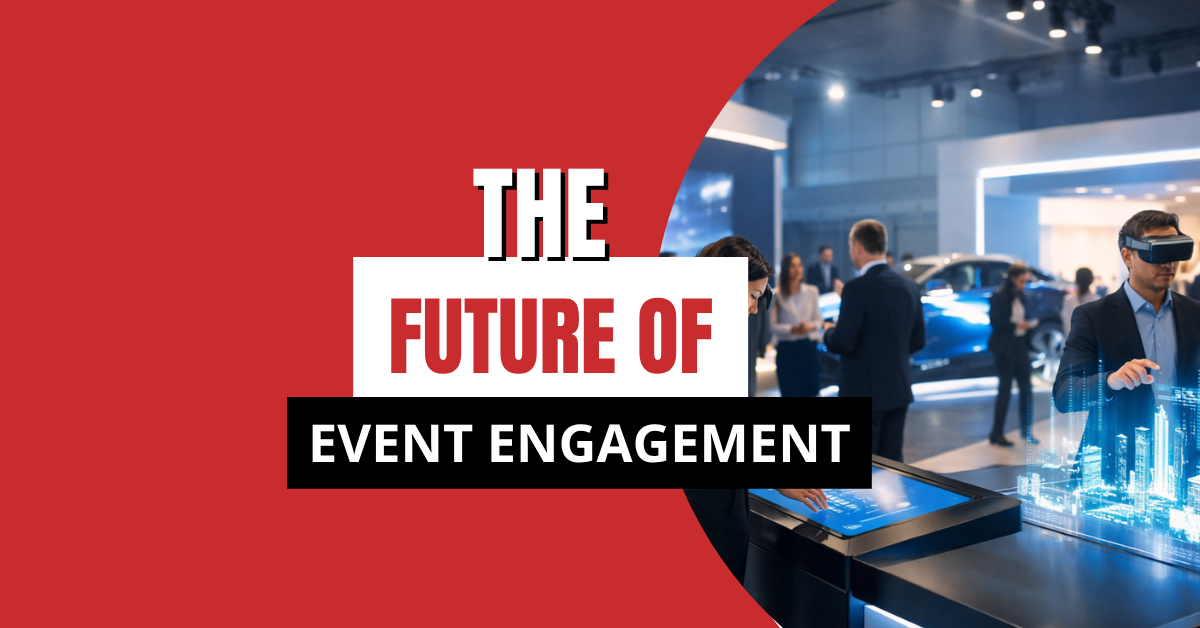
The Future of Experiential Marketing in Corporate Events
As corporate events continue to evolve, experiential marketing is poised to become the cornerstone of audience engagement. With the rise of digital technologies, changing attendee expectations, and increasing competition for attention, brands must adopt forward-thinking strategies to remain relevant and impactful. Here’s what the future holds for experiential corporate event engagement:
1. Hyper-Personalized Experiences
Future corporate events will focus on tailoring experiences to individual attendees. AI and data analytics will allow organizers to:
- Recommend sessions, workshops, or interactive zones based on attendee profiles
- Personalize content and challenges to match interests or career roles
- Offer dynamic, on-demand experiences that evolve throughout the event
Hyper-personalization ensures attendees feel valued and connected, creating deeper engagement and higher satisfaction.
2. Immersive and Multi-Sensory Environments
The future will see more immersive, multi-sensory event designs that engage sight, sound, touch, and even smell or taste. Innovations may include:
- Fully themed environments that tell a brand story
- Interactive installations that respond to attendee movement or actions
- Multi-sensory demonstrations for product launches or training sessions
These experiences will maximize emotional impact, ensuring attendees remember the brand long after the event concludes.
3. Integration of AR, VR, and Mixed Reality
Augmented reality (AR), virtual reality (VR), and mixed reality (MR) will play a central role in corporate events, providing experiences that are impossible with traditional formats:
- VR simulations for product testing, leadership training, or customer experience journeys
- AR enhancements for live demos, signage, or event navigation
- MR environments blending physical and digital elements seamlessly
Technology-driven experiences will make events more interactive, innovative, and memorable, giving brands a competitive edge.
4. AI-Driven Engagement and Analytics
Artificial intelligence will help brands predict attendee preferences, optimize experiences, and measure ROI in real time:
- AI-powered networking platforms to match attendees and facilitate meaningful connections
- Predictive analytics to identify engagement patterns and improve event layouts
- Real-time sentiment analysis to adjust experiences dynamically
AI ensures that events are not only immersive but also data-driven, enhancing both participant satisfaction and business outcomes.
5. Hybrid and Global Event Experiences
Hybrid events blending in-person and virtual participation will continue to grow, enabling brands to:
- Expand reach to global audiences without compromising engagement
- Provide remote participants with interactive, real-time experiences
- Offer flexible options for attendees to choose how they participate
Hybrid strategies will allow maximum engagement, accessibility, and inclusivity, creating a new standard for corporate events worldwide.
6. Sustainability and Purpose-Driven Experiences
The future of experiential marketing will also prioritize sustainability and social impact. Attendees increasingly value brands that:
- Minimize environmental impact in event production
- Incorporate social causes or community engagement
- Design experiences that reflect ethical and sustainable values
Purpose-driven events not only enhance brand perception but also foster deeper emotional connections with audiences.
FAQ
1. What is experiential marketing in corporate events?
Experiential marketing in corporate events is the practice of creating interactive, immersive, and memorable experiences that allow attendees to actively engage with a brand. Unlike traditional presentations, it focuses on participation, multi-sensory engagement, and storytelling to leave a lasting impression and strengthen brand connections.
2. Why is experiential marketing important for event engagement?
Experiential marketing boosts engagement by transforming attendees from passive observers into active participants. Interactive activities, gamified experiences, and immersive storytelling increase attention, emotional connection, and memory retention, ensuring attendees remember the brand and its message long after the event ends.
3. How do immersive experiences increase brand recall?
Immersive experiences engage multiple senses and create emotional connections with the audience. By participating in interactive demos, VR/AR simulations, or multi-sensory installations, attendees retain information better and are more likely to recall the brand, product, or key messages in the future.
4. What technologies are commonly used in experiential marketing events?
Key technologies include augmented reality (AR), virtual reality (VR), mixed reality (MR), interactive touchscreens, AI-powered networking tools, gamification platforms, and hybrid event solutions. These tools enhance engagement, personalization, and measurement, making corporate events more interactive, memorable, and data-driven.
5. How do brands measure the success of experiential marketing?
Brands track metrics such as attendee engagement, dwell time, social media shares, brand recall, lead generation, and post-event feedback. Combining quantitative and qualitative data provides insights into ROI and helps optimize future events for even higher impact.
6. Can experiential marketing work for hybrid or virtual events?
Yes. Hybrid and virtual events can incorporate interactive workshops, VR/AR demos, gamified activities, and live Q&A sessions, allowing remote attendees to engage in real time. These experiences extend reach, maintain engagement, and ensure the brand delivers memorable experiences regardless of location.
7. How does experiential marketing differ across Indian cities?
Experiential marketing strategies vary by region. Mumbai focuses on tech-driven innovation, Delhi on storytelling and brand visibility, Bangalore on immersive technology experiences, and emerging cities like Hyderabad prioritize personalized, hybrid, and culturally relevant activities to maximize engagement and brand impact.
Conclusion: Why Experiential Marketing Is the Future of Corporate Event Engagement
Experiential marketing is no longer an optional addition to corporate events; it is the future of audience engagement. By combining immersive storytelling, interactive participation, multi-sensory experiences, and cutting-edge technologies like AR, VR, and AI, brands can transform traditional events into memorable, impactful, and measurable experiences.
In today’s competitive business environment, attendees expect more than passive presentations. They seek personalized, interactive, and shareable experiences that create emotional connections with the brand. Experiential marketing meets this demand by placing the audience at the center, fostering stronger engagement, loyalty, and brand recall.
Across India’s major corporate hubs Mumbai, Delhi, Bangalore, Hyderabad, and Pune companies are adopting experiential strategies to enhance product launches, conferences, trade shows, and leadership summits. Whether it’s gamified networking, immersive installations, or hybrid events, the focus is on creating engaging experiences that leave a lasting impression.
By embracing these strategies, measuring ROI, and staying ahead of trends in experiential marketing, businesses can ensure their corporate events are not only memorable but also deliver tangible business outcomes. Experiential marketing is more than a trend; it’s a strategic approach to future-proof corporate engagement.