
Experiential Marketing and the New Era of Corporate Events
Corporate events today are no longer just about presentations, networking sessions, or product displays. In a world where audiences are constantly exposed to advertisements and digital content, brands are discovering that creating memorable experiences is far more powerful than simply delivering messages. This shift has led to the rapid growth of experiential marketing, a strategy that focuses on immersive, interactive, and emotionally engaging brand interactions. At corporate events such as conferences, trade shows, product launches, and exhibitions, experiential marketing allows companies to move beyond traditional promotion and create meaningful connections with their audiences. Instead of passively observing a brand, attendees can interact with products, participate in activities, and become part of the brand story itself. These interactive experiences make events more engaging while helping brands communicate their value in a way that audiences can see, feel, and remember.
A well-planned experiential marketing strategy transforms ordinary corporate gatherings into powerful brand platforms. Through experiential marketing events, immersive brand experiences, and creative experiential marketing campaigns, companies can capture attention in crowded event environments where hundreds of brands compete for visibility. Whether it is an interactive product demonstration, a gamified booth experience, or a live brand activation, experiential marketing ensures that the brand stands out and remains memorable long after the event ends. For businesses participating in corporate conferences, exhibitions, and industry events, experiential marketing for corporate events has become a key driver of brand recall and audience engagement. By designing meaningful interactions and memorable moments through experiential brand activation, companies can create lasting impressions that traditional advertising methods often struggle to achieve.
Why Experiential Marketing Works at Corporate Events
1. Standing Out in a Crowded Event Space
Corporate events engagement, such as conferences, trade shows, and exhibitions, brings together industry professionals, decision-makers, and potential customers in one place. However, with multiple brands competing for attention, simply displaying a product or distributing brochures is rarely enough. Experiential marketing helps brands stand out by creating interactive and engaging experiences that capture attention.
2. Audience Participation Drives Engagement
One of the main reasons experiential event marketing works so effectively is the level of audience participation it encourages. Attendees can interact with products, explore demonstrations, or participate in activities designed around the brand’s story. This engagement makes the experience more memorable and helps attendees develop a deeper understanding of the product or service being promoted.
3. Creating Live Brand Experiences
Experiential marketing allows brands to create live brand experience marketing opportunities. When attendees physically experience a product or service through demonstrations, immersive installations, or hands-on interactions, they are more likely to remember the brand and its value proposition. These experiences transform traditional marketing into something dynamic and memorable.
4. Leveraging Professional Event Environments
Corporate events provide an ideal setting for interactive event marketing because attendees are already in a professional mindset, looking for new solutions, technologies, and business opportunities. Creative experiences such as interactive booths, gamified activations, and immersive product showcases turn ordinary event spaces into engaging environments that attract and retain audience attention.
5. Encouraging Social Sharing and Word-of-Mouth
Experiential marketing naturally encourages social sharing. Attendees often share photos and videos of unique or visually engaging experiences on social media, extending the event’s reach beyond the physical venue. This added exposure helps brands amplify their presence and generate awareness among wider audiences.
6. Meaningful Interactions Lead to Lasting Impressions
Ultimately, experiential marketing for corporate events succeeds because it focuses on meaningful, two-way interactions rather than one-way communication. By combining creativity, participation, and immersive storytelling, brands can transform corporate events into memorable experiences that strengthen engagement and leave a lasting impression.
How Experiential Marketing Drives Brand Recall
In today’s highly competitive marketing landscape, standing out and being remembered is one of the biggest challenges brands face. With audiences exposed to thousands of advertisements daily, traditional marketing alone often fails to leave a lasting impression. Experiential marketing solves this problem by creating interactive, immersive, and multi-sensory experiences that deeply resonate with audiences, ultimately driving brand recall and long-term engagement.
1. Understanding Brand Recall in Experiential Marketing
Brand recall is the ability of consumers to remember a brand when considering a specific product, service, or category. Unlike traditional static advertisements, experiential marketing engages audiences on multiple levels: sight, sound, touch, and sometimes even taste or smell creating a richer memory imprint. When participants actively interact with a product demonstration, explore an immersive installation, or take part in gamified activities, they are more likely to internalize the brand message, ensuring the experience is not easily forgotten.
2. Multi-Sensory Engagement Enhances Memory
One of the most powerful elements of experiential marketing is multi-sensory engagement. By activating several senses simultaneously, brands can make their interactions more memorable:
- Visuals: Creative booth designs, interactive screens, and visually immersive storytelling captivate attention.
- Sound: Music, live narrations, or audio cues guide emotions and enhance focus.
- Touch: Hands-on product demos or tactile installations create physical memory triggers.
- Taste and Smell: Food or scent-based experiences strengthen emotional associations.
These multi-sensory experiences engage different areas of the brain, making the brand interaction more impactful and easier for attendees to recall long after the event ends.
3. Emotional Connections Cement Brand Memories
Emotions play a pivotal role in memory retention. People naturally remember experiences that evoke excitement, curiosity, delight, or surprise. Experiential marketing leverages emotional storytelling through:
- Interactive brand narratives
- Immersive environments
- Live demonstrations and activations
- Gamified or participatory challenges
By evoking strong emotional responses, brands can forge meaningful connections with their audience, turning a one-time event into a memorable touchpoint that reinforces loyalty and trust.
4. Reinforcing Brand Identity and Messaging
Experiential marketing not only creates memories but also reinforces brand identity and core messaging. Well-designed experiences communicate:
- Brand values and mission
- Product benefits and unique selling points
- Brand personality through storytelling and interactive engagement
Attendees leave with a clear understanding of the brand, ensuring that the brand remains top-of-mind during purchasing decisions and influencing the future of corporate event engagement.
5. Participation Creates Ownership and Engagement
Active participation is a hallmark of successful experiential marketing campaigns. When attendees engage in product trials, interactive displays, or gamified experiences, they become co-creators of the brand story rather than passive observers.
This involvement:
- Makes the experience personal and memorable
- Encourages attendees to share their experience socially
- Strengthens the sense of brand identity and ownership
Participation transforms the audience from passive witnesses into invested brand advocates, increasing both immediate engagement and long-term recognition.
6. Integrating Interaction, Emotion, and Storytelling
The most effective experiential campaigns combine interaction, emotion, and storytelling into a seamless, immersive experience. This trifecta ensures that the memory of the interaction is retained long-term, making experiential marketing one of the most powerful tools for driving brand recall, loyalty, and advocacy. By designing campaigns that are engaging, memorable, and emotionally resonant, brands can transform ordinary events into strategic marketing touchpoints that deliver measurable impact.
Experiential Marketing Strategies That Work at Corporate Events
To create meaningful engagement at corporate events, brands must go beyond simple displays and presentations. The most successful experiential marketing strategies focus on interaction, creativity, and audience participation. When attendees actively engage with a brand through well-designed experiences, they are far more likely to remember the brand and share the experience with others. Below are some of the most effective strategies that companies use to implement experiential marketing for corporate events.
1. Interactive Product Demonstrations
One of the most powerful ways to attract attention at an event is through hands-on product demonstrations. Instead of explaining product features through brochures or presentations, brands can invite attendees to test products directly. Interactive demonstrations allow potential customers to explore how a product works, understand its benefits, and experience its value in real time. This approach is commonly used in experiential exhibition marketing, where visitors are encouraged to interact with technology, tools, or services displayed at the booth. By allowing attendees to experience the product themselves, brands create stronger connections and improve brand recall.
2. Immersive Exhibition Booth Experiences
An immersive booth design can transform a standard exhibition space into a memorable brand environment. Through creative lighting, digital displays, storytelling elements, and interactive installations, brands can build experiential booth design concepts that draw visitors into the experience. For example, an exhibition booth might simulate a real-world environment where the product is used or showcase a brand’s journey through interactive visuals. These experiential trade show marketing setups encourage attendees to explore the space and spend more time interacting with the brand.
3. Gamified Brand Activations
Gamification is a highly effective strategy in experiential marketing activation ideas. By introducing games, challenges, or competitions into the brand experience, companies can increase participation and engagement.
Examples include:
- digital quiz challenges related to the brand
- spin-the-wheel contests with rewards
- interactive puzzle experiences
- leaderboard competitions during events
Gamified experiences attract attention, encourage participation, and make the brand interaction enjoyable for attendees. They also encourage visitors to stay longer at the booth and interact more deeply with the brand.
4. Augmented Reality and Virtual Reality Experiences
Technologies such as Augmented Reality (AR) and Virtual Reality (VR) are transforming experiential marketing at events. These technologies allow brands to create immersive digital environments where attendees can explore products, visualize services, or experience a brand story in a completely new way. For example, a brand might use VR to simulate how its product performs in a real-world environment or use AR to overlay digital information onto physical displays. These advanced experiences enhance experiential marketing for expos and help brands create memorable interactions that stand out in crowded event environments.
5. Live Product Launch Experiences
Corporate events are ideal platforms for launching new products through experiential campaigns. Instead of announcing a product through a traditional presentation, brands can design immersive launch experiences that allow attendees to explore the product in action. For example, companies may create demonstration zones, guided experience tours, or live showcases where visitors interact with the product while learning about its features. These experiential marketing ideas for brands make product launches more exciting and memorable.
6. Social Media Integrated Experiences
Experiential marketing becomes even more powerful when it connects with social media. Brands often create visually appealing installations, branded photo zones, or interactive challenges that encourage attendees to capture and share their experiences online. These interactive event marketing strategies extend the reach of the campaign beyond the physical event. When attendees share their experiences on social platforms, the brand gains additional visibility and engagement from a much wider audience.
Examples of Experiential Marketing Campaigns
To truly understand the impact of experiential marketing, it helps to look at how brands use creative campaigns to engage audiences in real-world environments. Successful experiential marketing campaigns focus on interaction, storytelling, and participation, allowing audiences to experience the brand rather than simply hear about it. These campaigns often take place at corporate events, exhibitions, product launches, and public spaces where brands can directly connect with their target audience.
Brand Activations at Exhibitions and Trade Shows
Exhibitions and trade shows provide the perfect environment for experiential brand activation events. Instead of relying on traditional booth displays, many brands design interactive experiences that attract visitors and encourage them to engage with the brand. For example, a technology company might set up a live demo station where attendees can test new devices, explore software features, or experience a product in action. These types of experiential marketing campaigns examples allow visitors to interact with products firsthand, making the brand experience far more memorable than simply viewing promotional material.
Immersive Product Launch Experiences
Product launches are another area where experiential marketing plays a powerful role. Brands often create immersive environments where attendees can explore the product through guided demonstrations, storytelling zones, or interactive installations. For instance, a consumer electronics brand launching a new device might create different experience stations that demonstrate how the product performs in everyday situations. By combining visual displays, hands-on interaction, and storytelling, these experiential marketing campaign examples help audiences better understand the product’s value while strengthening brand recall.
Pop-Up Brand Experiences
Pop-up experiences are temporary installations designed to attract attention and create buzz around a brand. These experiences are often set up in high-traffic locations such as malls, public plazas, or event venues. A fashion brand, for example, might create a themed pop-up environment where visitors can explore the latest collection, participate in styling sessions, and share photos on social media. These experiential marketing ideas for brands create excitement around the campaign while encouraging visitors to actively participate in the brand experience.
Mall and Retail Activations
Retail environments also offer strong opportunities for experiential marketing. Brands often organize interactive activities such as product trials, live demonstrations, or themed installations that invite shoppers to explore products in a fun and engaging way. These experiential brand activation events help brands capture attention in busy retail environments while encouraging customers to spend more time interacting with the brand. The longer visitors stay engaged with the experience, the stronger the likelihood that they will remember the brand and consider making a purchase.
Conference and Corporate Event Experiences
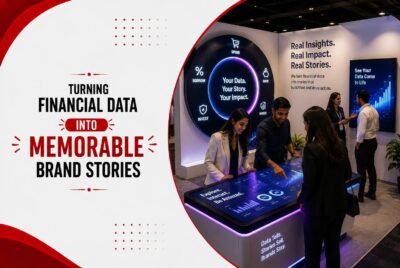
Many companies now integrate experiential marketing into corporate conferences and industry events. For example, a business services company might design an interactive booth that allows attendees to explore case studies through touchscreens, participate in simulations, or attend live mini-workshops. These experiences demonstrate how the company’s solutions work in real-world scenarios while creating meaningful engagement with potential clients. As a result, experiential marketing campaigns examples at corporate events often lead to stronger brand recognition and higher-quality business conversations.
Benefits of Experiential Marketing for Brands
Experiential marketing offers far more than just a temporary engagement at a corporate event; it provides lasting benefits that directly impact brand recall, customer loyalty, and business growth. By creating immersive, interactive, and memorable experiences, brands can differentiate themselves from competitors and establish a stronger presence in the minds of their audiences. Here’s how experiential marketing benefits brands:
1. Higher Brand Recall
One of the primary advantages of experiential marketing is its ability to improve brand recall. When audiences actively participate in experiences, their brains encode the interaction more effectively than with traditional advertisements. By using experiential marketing for brand engagement and immersive brand experiences, brands can ensure that attendees remember their products and services long after the event ends.
2. Stronger Customer Engagement
Experiential marketing transforms passive observers into active participants. Activities such as interactive demonstrations, gamified installations, and AR/VR experiences encourage audiences to engage with the brand directly, resulting in higher levels of attention and interest. Engaged customers are more likely to share their experiences on social media, expanding the campaign’s reach organically.
3. Emotional Brand Connection
Emotions play a key role in decision-making and memory retention. Experiential marketing creates emotional connections by combining storytelling, interactive elements, and sensory engagement. When attendees feel excitement, curiosity, or joy during a brand experience, they develop a positive association with the brand, which strengthens loyalty and long-term retention.
4. Social Media Amplification
Experiential campaigns often encourage attendees to take photos, share videos, or post about their experiences online. This creates user-generated content, amplifying the brand’s presence on social media platforms. Campaigns that integrate social media-friendly experiences not only engage attendees but also reach a wider audience beyond the event itself.
5. Real-Time Feedback and Insights
By observing how attendees interact with experiential setups, brands can gather real-time insights into audience behavior and preferences. This data is invaluable for refining marketing strategies, optimizing future campaigns, and measuring ROI of experiential marketing.
6. Differentiation in a Competitive Market
In today’s competitive corporate environment, standing out is essential. Experiential marketing allows brands to differentiate themselves by offering unique and memorable experiences that competitors may not provide. Whether through immersive exhibitions, interactive product demos, or innovative brand activations, these experiences position the brand as creative, engaging, and customer-centric.
7. Increased Conversion Opportunities
Beyond engagement and recall, experiential marketing can directly influence business outcomes. Attendees who interact with a product or service during an event are more likely to convert into customers or clients because they have experienced the value firsthand. By combining experiential activations with clear calls-to-action, brands can generate leads and drive sales effectively.
Measuring the ROI of Experiential Marketing
One of the most critical aspects of experiential marketing is measuring its effectiveness. Brands invest significant resources in creating immersive experiences, so it is essential to track how these campaigns impact brand recall, customer engagement, and business outcomes. By measuring ROI, companies can understand the value of their experiential marketing initiatives and optimize future campaigns for even better results.
1. Engagement Metrics
Engagement is one of the most important indicators of experiential marketing success. Brands can measure engagement through:
- Number of attendees participating in activities
- Time spent at interactive booths or installations
- Social media interactions, likes, shares, and hashtags related to the campaign
- Participation in gamified or interactive experiences
High engagement levels indicate that the campaign captured attention and created meaningful interactions, which are closely tied to brand recall and audience retention.
2. Lead Generation
Experiential campaigns can also be measured by the number of qualified leads generated during the event. For example:
- Sign-ups at booths or kiosks
- Registration for demos or workshops
- Contacts collected through interactive activities
Tracking leads allows brands to understand how experiential events contribute to sales pipelines and business growth, making it easier to justify marketing investments.
3. Customer Feedback and Satisfaction
Direct feedback from attendees provides valuable qualitative data. Asking questions such as:
- “What did you enjoy most about the experience?”
- “How likely are you to recommend our brand to others?”
- “Did this experience influence your perception of the brand?”
helps brands understand the emotional impact of their experiential campaigns and how they influence audience perception.
4. Brand Recall and Awareness
Measuring changes in brand recall and awareness before and after an event provides insight into how effectively the campaign communicated the brand message. Methods include:
- Post-event surveys and polls
- Feedback forms from attendees
- Social listening to track mentions, hashtags, and user-generated content
These metrics show whether the experiential marketing for brand awareness achieved its goal of making a lasting impression.
5. Social Media and Online Impact
A key advantage of modern experiential marketing is its social amplification. Brands can track:
- Posts, shares, and stories created by attendees
- Engagement rates on campaign-related content
- Growth in followers, mentions, and website traffic during and after the event
Social media metrics provide insight into how experiences resonate beyond the physical event and increase brand visibility among a wider audience.
6. Sales and Conversion Metrics
Ultimately, experiential marketing campaigns can also be tied to business outcomes such as:
- Product purchases at or after the event
- Service sign-ups or subscriptions
- Conversion rates of leads collected during the experience
By connecting experiential campaigns to sales, brands can demonstrate the tangible ROI of experiential marketing and optimize future events for maximum impact.
Key Takeaways for Brands Implementing Experiential Marketing
After exploring the strategies, examples, trends, and best practices of experiential marketing, it’s essential for brands to understand the core principles that drive successful campaigns at corporate events. These takeaways act as a practical roadmap for marketers, event planners, and brand managers aiming to create engaging, memorable, and measurable experiences that leave a lasting impact.
1. Experiential Marketing is About Engagement, Not Just Promotion
The fundamental purpose of experiential marketing goes beyond merely delivering a brand message. At its core, it is about creating interactive, immersive, and participatory experiences that engage attendees on multiple levels. Instead of passive observation, audiences are encouraged to interact with products, participate in live demonstrations, or explore immersive installations. This multi-sensory engagement combined with emotional storytelling ensures that the experience resonates deeply and stays top-of-mind. Brands that focus solely on promotion risk creating forgettable campaigns, whereas engagement-driven activations foster lasting impressions and stronger audience connections.
2. Planning and Strategy Are Crucial
A successful experiential marketing campaign begins with strategic planning and clearly defined objectives. Brands must ask key questions before designing any activation: What is the primary goal of brand recall, lead generation, audience engagement, or social media amplification? Who is the target audience, and what experience will resonate most with them? By defining clear objectives, brands can create campaigns that are not only creative and engaging but also measurable in terms of business impact. Strategic planning also ensures that every aspect of the event from booth design to gamified experiences supports the overall marketing goals and contributes to tangible outcomes.
3. Know Your Audience
Understanding your audience is fundamental to designing relevant and impactful experiences. Successful campaigns start by identifying audience demographics, preferences, interests, and pain points. For example, tech-savvy professionals attending a B2B conference might respond best to AR/VR product demonstrations, while a retail brand might create immersive pop-up experiences for shoppers. Tailoring activations to the audience ensures that the experience resonates, fosters emotional engagement, and drives high levels of participation, which in turn strengthens brand recall.
4. Creativity and Technology Drive Memorable Experiences
In today’s competitive event landscape, creativity alone is no longer enough technology is the differentiator. Integrating innovations such as augmented reality, interactive touchpoints, virtual reality, and gamified installations elevates the experiential journey, making it more immersive and engaging. Creative technology-enabled campaigns captivate audiences, encourage them to interact with the brand, and make the experience highly shareable on social media. A combination of innovative concepts and tech tools ensures that campaigns are memorable, visually compelling, and impactful, helping brands stand out at corporate events.
5. Measurement and Analytics Are Essential
Experiential marketing must be data-driven to prove its effectiveness. Tracking metrics such as attendee engagement, leads generated, participation rates, social media mentions, and post-event feedback provides insights into what worked and what needs improvement. By analyzing these results, brands can optimize future activations and demonstrate a measurable ROI of experiential marketing, moving beyond subjective impressions. Without measurement, even the most creative campaign risks being undervalued, whereas proper analytics helps justify investment and refine strategies for maximum impact.
6. Collaboration and Sustainability Are the Future
Modern audiences value sustainability and meaningful collaborations. Brands that integrate eco-friendly practices such as reusable installations, digital-first experiences, or sustainable materials demonstrate social responsibility while reducing environmental impact. Similarly, collaborative campaigns with complementary brands or partners can create larger, more immersive experiences that appeal to a broader audience. Multi-brand activations not only enhance creativity but also increase engagement, expand reach, and provide richer, more memorable experiences for attendees.
7. Experiential Marketing Drives Long-Term Brand Recall
The ultimate value of experiential marketing lies in its ability to leave a lasting imprint on the audience’s memory. By combining emotional storytelling, interactive elements, and multi-sensory experiences, brands ensure that their message is remembered long after the event ends. Memorable experiences build loyalty, encourage social sharing, and influence future purchasing decisions. This long-term impact on brand recall is what sets experiential marketing apart from traditional promotional methods, making it a strategic tool for sustainable brand growth.
8. Partnering with Expert Agencies Adds Value
Executing a high-impact experiential marketing campaign requires specialized skills and expertise. Partnering with professional experiential marketing agencies whether in India or globally can provide significant advantages. Agencies bring experience in strategic planning, technology integration, creative conceptualization, event logistics, and ROI measurement. Collaborating with experts ensures that campaigns are executed flawlessly, deliver the desired impact, and maximize audience engagement. Agencies also help brands stay ahead of trends, leverage cutting-edge technology, and create experiences that truly differentiate the brand in competitive event spaces.
Frequently Asked Questions About How Experiential Marketing Drives Brand Recall at Corporate Events
1. What is experiential marketing at corporate events?
Experiential marketing at corporate events is a strategy where brands create interactive, immersive, and participatory experiences for attendees. Unlike traditional marketing, it goes beyond passive displays or presentations, allowing audiences to actively engage with products, services, or brand stories. These experiences leave a lasting impression, making the brand more memorable long after the event.
2. Why is audience participation important for brand recall?
Audience participation transforms attendees from passive observers into active participants in the brand story. When individuals interact with products, participate in gamified experiences, or explore immersive installations, they feel a sense of ownership and involvement. This personal connection significantly enhances long-term retention of the brand message.
3. How does experiential marketing improve brand recall?
Experiential marketing improves brand recall by combining multi-sensory engagement, storytelling, and hands-on participation. When attendees physically interact with a product or immerse themselves in a creative brand activation, their brain forms stronger memory associations. This makes it easier for them to remember the brand and its value proposition compared to passive advertisements.
4. How do sensory experiences enhance brand recall?
Engaging multiple senses such as sight, sound, touch, and even taste or smell makes experiential marketing campaigns more memorable and impactful. Sensory experiences create rich mental associations that activate different areas of the brain, helping attendees retain information and remember the brand more vividly long after the event ends.
5. What role does emotion play in experiential marketing?
Emotion is a critical driver of memory and recall. Experiential marketing at corporate events often evokes excitement, curiosity, or delight through interactive storytelling, live demonstrations, or immersive environments. Emotional engagement strengthens the bond between the audience and the brand, ensuring the experience is not only remembered but also associated with positive feelings.
6. How does storytelling contribute to memorable experiences?
Storytelling is a powerful tool in experiential marketing because it gives context to a brand’s message. By embedding products or services into a compelling narrative, attendees can relate to the brand on a personal level. Combining story with interaction ensures that audiences not only understand the brand but retain it in their memory through meaningful experiences.
7. Can social sharing boost brand recall?
Yes, social sharing amplifies brand recall by extending the experiential campaign beyond the physical event. When attendees post photos, videos, or reviews of unique or interactive experiences, the content reaches a wider audience. This not only reinforces the memory for those who attended but also introduces the brand to new potential customers, strengthening overall brand awareness.
8. How can brands measure the impact of experiential marketing on recall?
Brands can measure the impact on recall through post-event surveys, engagement analytics, and social media monitoring. Tracking how much attendees remember about the product, brand values, or experience helps assess the campaign’s effectiveness. Metrics such as booth participation, time spent interacting, and follow-up conversions also indicate how well experiential marketing translates into long-term brand recognition.
Conclusion
Experiential marketing has become a true game-changer for corporate events, exhibitions, conferences, and product launches. In today’s world, where audiences are constantly exposed to advertisements and digital noise, traditional marketing methods alone are no longer enough to capture attention or leave a lasting impression. By creating interactive, immersive, and emotionally engaging experiences, brands can go beyond passive promotion and form meaningful connections with their audiences. Whether it’s through experiential brand activations, interactive product demonstrations, gamified experiences, or AR/VR installations, these strategies make brands memorable and help strengthen long-term brand recall and customer loyalty.
The key benefits of leveraging experiential marketing at corporate events are significant. It enhances brand recall through multi-sensory engagement, encourages stronger audience participation, fosters emotional connections that build loyalty, amplifies reach through shareable social media experiences, and provides measurable ROI through leads, engagement metrics, and attendee feedback. Looking ahead, experiential marketing campaigns are expected to become even more innovative, integrating AI, personalisation, phygital experiences, and sustainability to create richer and more impactful activations. Brands that embrace these trends and follow best practices will not only stand out at events but also achieve long-term marketing success. In conclusion, experiential marketing is much more than a one-time event tactic; it’s a strategic approach that transforms how audiences perceive, interact with, and remember a brand. Companies that invest in creative, immersive, and audience-focused experiences at corporate events will maximize engagement, drive tangible business results, and leave a lasting impression on their target audience.